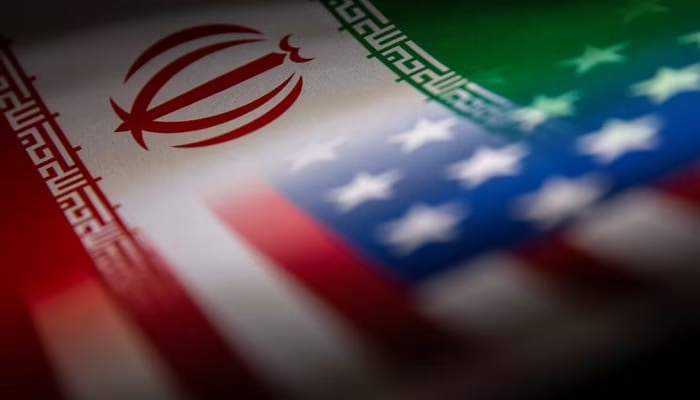
The ongoing US Iran peace deal discussions are gaining global attention as both countries signal a possible breakthrough after years of tension. Recent reports suggest that negotiations between the United States and Iran are moving in a positive direction, with officials from both sides describing the dialogue as constructive and comprehensive. While no final agreement has been signed yet, the progress has raised hopes for stability in a region that has long faced uncertainty.
According to sources familiar with the matter, representatives from both nations have been engaged in detailed talks aimed at resolving key issues, including nuclear restrictions and economic sanctions. The US Iran peace deal is expected to focus on limiting Iran’s nuclear enrichment activities in exchange for easing sanctions and releasing frozen financial assets. Such a move could significantly reshape diplomatic and economic relations between the two countries.
An interesting aspect of these negotiations is the role played by Pakistan as a mediator. Hosting the dialogue, Pakistan has reportedly facilitated communication between both sides and presented proposals aimed at finding common ground. This diplomatic effort highlights the importance of neutral platforms in resolving complex international disputes and has added credibility to the US Iran peace deal process.
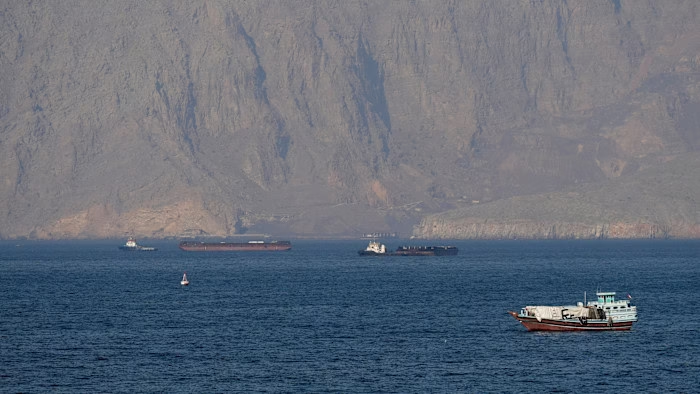
One of the key elements under discussion is the strategic Strait of Hormuz, a vital passage for global oil shipments. Any agreement that ensures the smooth flow of oil through this route could have a direct impact on global energy markets. Experts believe that if the US Iran peace deal is finalized, it could lead to more stable oil supplies and potentially influence fuel prices worldwide.
Reports also suggest that a multi-point agreement is being considered, covering various political, economic, and security aspects. While the exact details remain undisclosed, the framework appears to aim for a balanced approach that addresses the concerns of both sides. The willingness to negotiate on multiple fronts indicates that the US Iran peace deal is not just about one issue but a broader effort to reset relations.
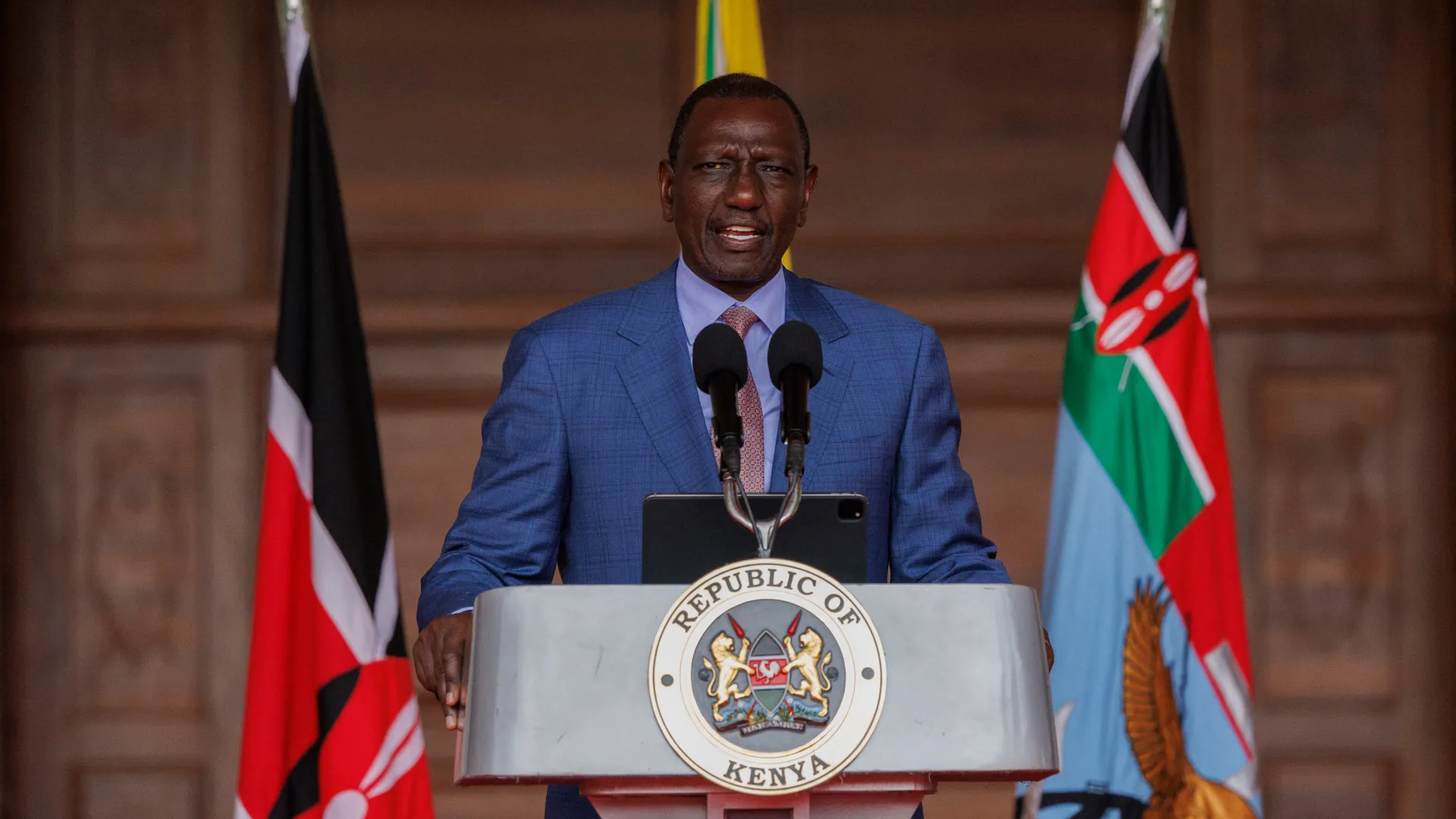
Statements from Donald Trump have added another layer of complexity to the situation. He has acknowledged progress in the negotiations but has also warned of consequences if an agreement is not reached. Such mixed signals reflect the delicate nature of the talks, where optimism is often accompanied by caution. Despite this, both sides seem committed to continuing the dialogue.
On the Iranian side, officials have described the discussions as fair and meaningful, though they have remained relatively reserved in public statements. This cautious approach suggests that while progress is being made, significant challenges still need to be addressed before the US Iran peace deal can be finalized. Trust-building measures and clear commitments will likely play a crucial role in the coming stages.
The potential economic impact of a successful agreement cannot be ignored. Lifting sanctions on Iran could allow it to re-enter global markets more freely, boosting its economy and increasing oil exports. This, in turn, could affect global oil prices, offering relief to countries facing high energy costs. The US Iran peace deal could therefore have far-reaching consequences beyond just the two nations involved.
However, uncertainties remain. Negotiations of this scale often face setbacks, and any disagreement on key issues could delay or even derail the process. Political pressures within both countries may also influence the outcome. Despite these challenges, the current momentum suggests that both sides recognize the benefits of reaching an agreement.
The ongoing US Iran peace deal talks represent a significant step toward reducing tensions and promoting stability in a critical region. With mediation efforts, strategic considerations, and economic incentives all playing a role, the negotiations have the potential to reshape international relations. While it is still too early to predict the final outcome, the progress so far offers cautious optimism for a peaceful resolution.