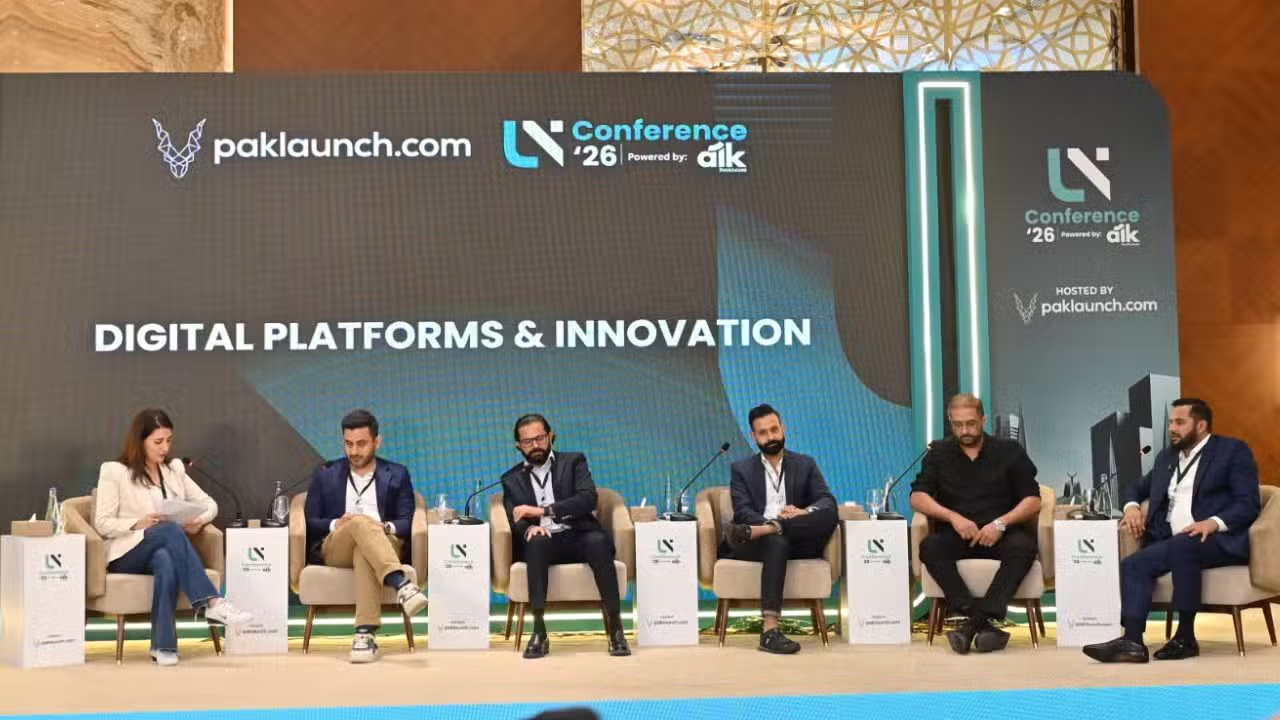
The push for digital transformation in Islamic banking is gaining momentum in Pakistan as financial institutions increasingly look toward technology to expand access, improve efficiency, and meet the expectations of a modern economy. This shift was highlighted at the UNConference 2026 in Islamabad, where industry leaders discussed how innovation can reshape Shariah-compliant finance and make it more accessible for everyday users.
The discussion on digital transformation in Islamic banking became a key theme of the event, especially as Pakistan’s fintech ecosystem continues to evolve. With growing internet penetration and mobile usage, banks now face both an opportunity and a challenge: how to modernize services while staying true to Islamic financial principles.
A Vision for Modern Islamic Finance
At the conference, Ashfaque Ahmed, Chief Officer of aik, emphasized that digital transformation in Islamic banking is no longer optional—it is essential. He explained that the future of banking lies in simplifying user experiences so that ethical, Shariah-compliant services are easy to access through digital platforms.
According to him, the main goal is to ensure that Islamic banking becomes a natural part of the digital economy. Instead of requiring customers to visit physical branches or follow complex procedures, services should be available instantly through mobile and online platforms.
He stressed that digital transformation in Islamic banking can bridge the gap between traditional financial systems and the expectations of younger, tech-savvy users.
Collaboration Driving Change
The event was jointly supported by aik and BankIslami as part of Paklaunch’s UNConference 2026. The two-day gathering brought together founders, investors, regulators, and policymakers to explore Pakistan’s startup ecosystem, with a strong focus on fintech innovation.
Within this environment, digital transformation in Islamic banking was discussed as a critical driver for financial inclusion. Speakers highlighted how partnerships between traditional banks and fintech companies can accelerate innovation and improve customer experiences.
By working together, institutions aim to create systems that are not only compliant with Islamic principles but also competitive in a global digital marketplace.
Why Digital Transformation Matters
One of the key insights from the discussion was that digital transformation in Islamic banking is necessary to reach underserved populations. In many parts of Pakistan, access to formal banking services remains limited due to geographical, financial, and infrastructural barriers.
Technology can solve many of these challenges. Mobile banking apps, digital wallets, and AI-powered financial tools can help bring banking services to remote areas without requiring physical branches.
Ashfaque Ahmed pointed out that simplifying access is central to expanding financial inclusion. When banking becomes easier to use, more people are likely to participate in the formal financial system.
Fintech and Islamic Banking: A Growing Intersection
The rise of fintech is playing a major role in accelerating digital transformation in Islamic banking. From mobile payment systems to AI-driven customer support, technology is reshaping how financial services operate.
Startups are also contributing by developing innovative solutions tailored to Shariah-compliant finance. These include digital investment platforms, ethical lending systems, and automated compliance tools.
As a result, digital transformation in Islamic banking is not just about upgrading technology—it is about redefining how financial services are designed and delivered.
Making Banking More Accessible
A major focus of the discussion was user experience. Speakers agreed that digital transformation in Islamic banking must prioritize simplicity. If services are complicated or difficult to navigate, adoption will remain limited.
The goal is to make banking intuitive, fast, and available at any time. This includes features like instant account opening, seamless fund transfers, and easy access to financial advice.
By improving accessibility, digital transformation in Islamic banking can help build trust and encourage more people to shift toward formal financial systems.
The Road Ahead for Pakistan’s Fintech Ecosystem
Pakistan’s fintech sector is still developing, but events like UNConference 2026 show strong momentum. The collaboration between financial institutions and technology providers signals a clear direction toward innovation.
However, experts believe that sustained investment, regulatory support, and digital literacy will be essential for long-term success. Without these elements, the full potential of digital transformation in Islamic banking may not be realized.
The discussions at UNConference 2026 highlighted a clear message: digital transformation in Islamic banking is shaping the future of finance in Pakistan. By combining technology with ethical financial principles, the industry has the potential to create a more inclusive and efficient system.
As banks, fintech startups, and policymakers continue to collaborate, the journey toward a fully digital Islamic banking ecosystem is becoming increasingly achievable. The focus now is on execution—turning ideas into practical solutions that benefit millions of users across the country.