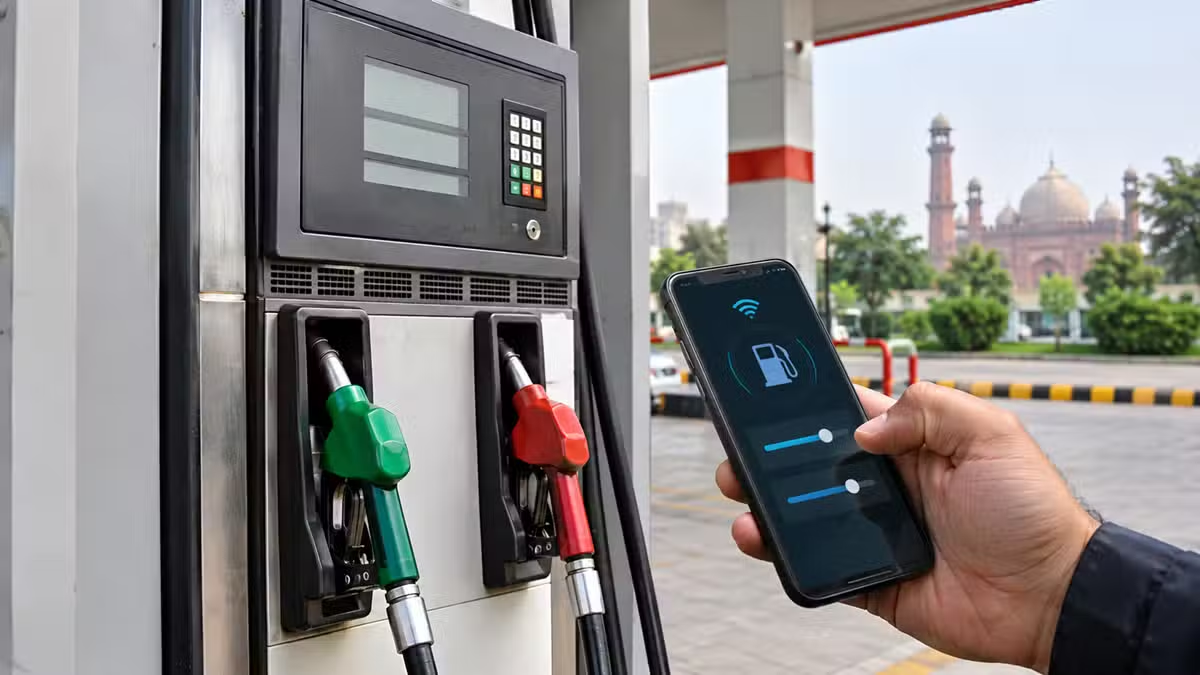
The National Cyber Crime Investigation Agency (NCCIA) has uncovered a major case of petrol pump fuel fraud in Lahore, sealing four petrol stations and arresting 16 people, including two petrol pump owners and two application developers. The suspects allegedly used a mobile application to manipulate fuel dispensers, allowing customers to receive significantly less petrol than the quantity displayed on the machines.
According to NCCIA officials, the petrol pumps were dispensing between 10% and 30% less fuel than customers actually paid for. The alleged fraud was carried out through a specially designed mobile application that enabled operators to control the quantity of fuel delivered through dispensing machines.
Speaking to the media, NCCIA Additional Director Atif Ameer confirmed the arrests and said the agency had taken action against four petrol pumps operating in different parts of Lahore.
Four Petrol Pumps Sealed in Lahore
The NCCIA conducted operations against the suspected petrol stations located in Johar Town, Cantonment, Gulshan-e-Ravi and Band Road.
Investigators believe the petrol pump operators were using a mobile application to manipulate fuel dispensing systems and deceive customers. Through this method, customers were charged for the full quantity of petrol displayed on the machines but received considerably less fuel in their vehicles.
The agency arrested 16 individuals during its investigation, including two owners of the petrol pumps and two developers allegedly involved in creating the application.
The arrests indicate that the alleged fraud involved both petrol station management and individuals with technical expertise who could manipulate digital systems connected to fuel dispensers.
Authorities are investigating the role of each suspect to determine how the application was developed, installed and operated at the petrol stations.
Petrol Pump Owners Allegedly Earned Rs400 Million
One of the most concerning revelations in the investigation is the amount of money allegedly generated through the fraudulent system.
According to NCCIA Additional Director Atif Ameer, the owners of the four petrol pumps earned approximately Rs400 million in profit within just one year through the alleged manipulation.
The reported amount highlights the potential financial impact of the scheme, which allegedly allowed petrol stations to collect money for fuel that was never delivered to customers.
For ordinary consumers, even a small reduction in fuel quantity can result in significant financial losses, particularly when the practice continues over an extended period.
Customers generally rely on the readings displayed on petrol dispensing machines and have limited ways to verify whether the actual quantity delivered matches the amount paid for.
The investigation has raised concerns about the possibility of similar fraud taking place at other petrol stations.
Similar Fraud Systems Found at Other Petrol Stations
The NCCIA official revealed that similar fuel manipulation systems had reportedly been installed at several other petrol pumps across Lahore.
He warned that conventional tracking and monitoring methods were unable to detect these systems, making it difficult for authorities to identify petrol stations involved in such activities.
The use of mobile applications and digital manipulation has added another layer of complexity to the investigation.
According to the agency, limited resources have prevented it from conducting further raids against other suspected petrol stations.
This situation raises questions about the effectiveness of existing monitoring arrangements and the need for stronger coordination between cybercrime investigators and regulatory authorities.
The discovery also highlights how technology, when misused, can facilitate financial fraud in sectors where customers depend on accurate measurements and transparent transactions.
NCCIA Approaches OGRA to Investigate Fuel Fraud
Following the discovery, the NCCIA has contacted the Oil and Gas Regulatory Authority (OGRA) to inform it about the alleged manipulation of petrol dispensing machines.
OGRA is responsible for regulating the oil and gas sector, making its involvement important in investigating possible violations at petrol stations.
The cybercrime agency has also initiated proceedings to freeze the bank accounts of the petrol pump owners allegedly involved in the fraud.
In addition, Atif Ameer said the suspects would face travel restrictions as part of the action being taken against them.
These measures are intended to support the investigation, prevent the movement of potentially fraudulent proceeds and ensure that the suspects remain available for legal proceedings.
Questions Raised Over Petrol Pump Monitoring
The reported petrol pump fuel fraud in Lahore has raised serious concerns about consumer protection and the monitoring of fuel dispensing systems across Pakistan.
The alleged use of a mobile application to manipulate petrol quantities demonstrates the need for more effective inspection procedures and technological safeguards.
Authorities may need to strengthen coordination between the NCCIA, OGRA and other relevant departments to identify suspicious dispensing systems and prevent similar incidents.
Regular inspections, independent calibration of fuel pumps and improved digital monitoring could help reduce opportunities for manipulation.
For consumers, the case also highlights the importance of remaining alert when purchasing fuel and reporting suspicious practices to the relevant authorities.
The NCCIA’s investigation is ongoing, and further action may follow as investigators examine whether similar systems have been installed at additional petrol stations.
The arrests and sealing of four petrol pumps represent a significant development in the fight against technology-enabled consumer fraud, while the investigation could reveal the wider extent of the alleged scheme in Lahore.