The US Iran conflict has developed into a prolonged confrontation that has challenged early expectations about how quickly military and economic pressure could force Tehran to change course. While the Trump administration initially emphasized military strength and economic pressure, the subsequent fighting, disruptions to maritime routes and regional involvement created a more complicated situation than a short military campaign.
Expectations of a Quick Outcome
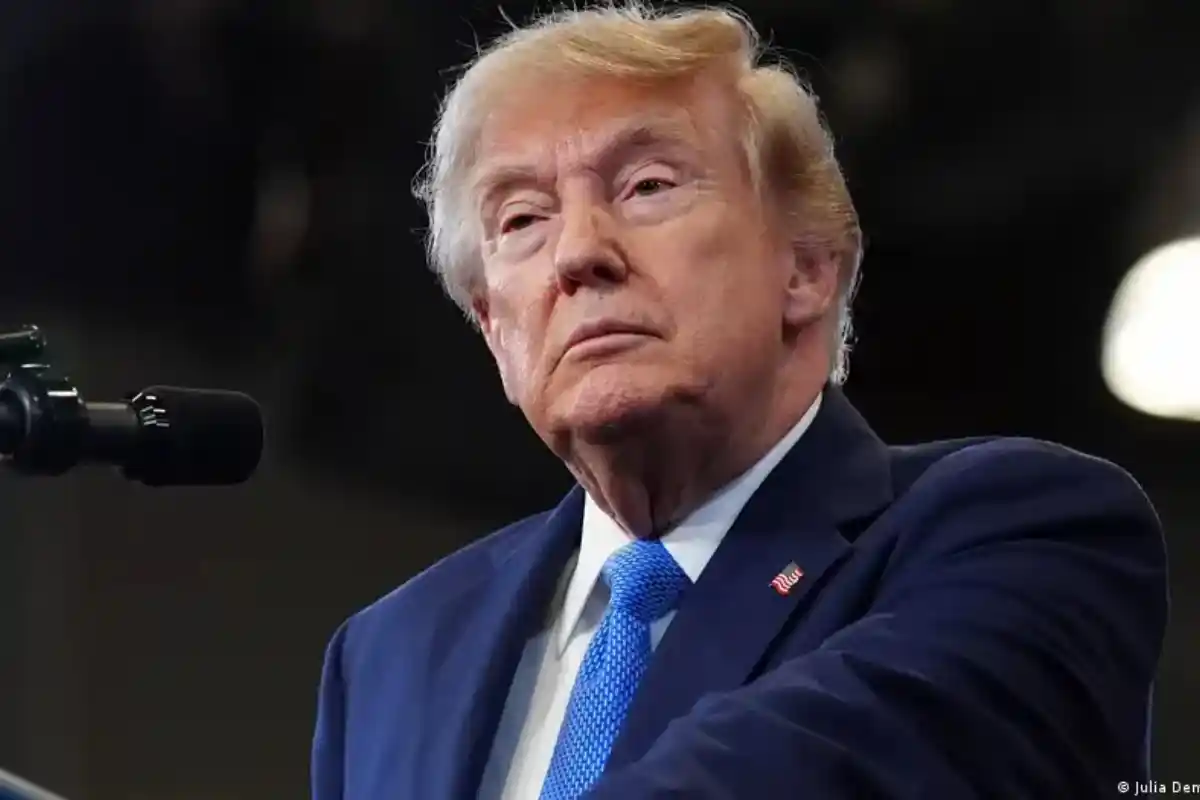
Before the fighting intensified, President Donald Trump and members of his administration repeatedly emphasized the scale of American military capabilities.
The administration presented pressure on Iran as a way to weaken Tehran’s military capacity and regional influence while pushing its leadership toward negotiations. Public statements from Trump also suggested that the confrontation could produce results relatively quickly.
However, the conflict did not develop according to that timeline.
Iran had spent decades developing ballistic missile capabilities, air-defense systems and other military infrastructure. Its geographic size and strategic position also provided Tehran with significant depth. These factors meant that military strikes did not automatically translate into a rapid political settlement.
The US Iran conflict therefore became a test of whether overwhelming military capabilities could achieve broader political objectives.
Iran Responds to Military Pressure
As fighting continued, Iran responded with missile attacks and other military operations. The confrontation also expanded beyond direct exchanges between the two countries, with regional groups linked to Iran remaining involved in the wider conflict.
Developments involving Lebanon and Yemen added another layer to the crisis, while maritime security became increasingly important.
The Strait of Hormuz emerged as one of the most sensitive issues. The strategic waterway is vital to international energy markets, meaning any disruption can affect oil supplies, shipping and economies far beyond the Middle East.
The conflict consequently created economic concerns alongside its military consequences.
Maritime Routes Become a Major Issue
The US Iran conflict also demonstrated how military confrontations can quickly affect international trade.
Disruptions around the Strait of Hormuz placed additional pressure on global energy markets. Pakistan and other countries warned about the potential consequences for energy supplies, trade and food security. Pakistan’s Foreign Ministry said the Islamabad Memorandum of Understanding remained a framework for dialogue despite challenges to its implementation.
The maritime issue later became central to diplomatic discussions between Washington and Tehran.
Under the Islamabad Memorandum, Iran committed to making arrangements for the safe passage of commercial vessels, while the United States agreed to begin removing its naval blockade. The document also established a framework for negotiations toward a longer-term agreement.
The Islamabad Memorandum
The Islamabad Memorandum represented an important shift from battlefield confrontation toward negotiations.
Signed in June 2026, the agreement called for an end to military operations and committed the United States and Iran to negotiating a final deal. Pakistan and Qatar played facilitating roles in the diplomatic process, with follow-up talks held in Switzerland.
The agreement was significant because it addressed several issues simultaneously, including military activity, sanctions, maritime passage and Iran’s nuclear program.
However, the understanding later came under strain. Reuters reported that disagreements over the interpretation and implementation of provisions concerning the Strait of Hormuz and sanctions contributed to the deterioration of the ceasefire framework.
Diplomacy Returns to the Foreground
The changing situation highlighted the limits of relying solely on military pressure.
As the confrontation continued, diplomatic channels became increasingly important. Regional governments and mediators worked to maintain communication between Washington and Tehran, while discussions focused on maritime access, sanctions and nuclear issues.
Recent diplomatic efforts have again centered on reopening the Strait of Hormuz and creating conditions for further negotiations. Qatar has played a role in transmitting messages between the two sides, while Iranian and American officials have continued to discuss possible steps toward de-escalation.
These efforts do not mean that the underlying disagreements have disappeared. Instead, they demonstrate that military pressure has been accompanied by attempts to find a negotiated path forward.
A Conflict With Wider Consequences
The US Iran conflict has affected more than the two countries directly involved.
The fighting has created concerns over energy supplies, shipping routes and economic stability. Regional actors have also been drawn into the wider confrontation, increasing the possibility that a bilateral dispute could generate consequences across West Asia.
For Washington, the experience has shown the difficulty of translating military superiority into a quick political outcome. For Tehran, continued resistance has come with substantial military and economic costs.
Neither side has found that pressure alone can easily resolve the fundamental disagreements separating them.
The future of the US Iran conflict remains closely connected to diplomacy, particularly negotiations involving sanctions, Iran’s nuclear activities and maritime security.
The Islamabad Memorandum provides an example of how regional mediation can create a framework for communication, even when implementation becomes difficult. Pakistan has continued to call for dialogue and the restoration of maritime stability, while other regional governments have also supported efforts to reduce tensions.
The US Iran conflict has illustrated that military power can shape the battlefield but does not necessarily settle the political dispute behind a confrontation.
What began with strong expectations about pressure and military capability evolved into a much broader challenge involving missiles, regional alliances, maritime security, energy markets and diplomacy. The continuing negotiations suggest that any lasting settlement will require more than military action and economic pressure, with diplomatic engagement remaining central to efforts to reduce the confrontation.