The Pakistan Daily Fuel Prices system is set to transform how petrol and diesel prices are determined across the country. In response to ongoing volatility in global oil markets caused by renewed geopolitical tensions, the federal government has announced that fuel prices will now be updated every day instead of following the previous schedule. Officials believe this move will improve transparency, ensure prices reflect international market conditions more accurately, and help consumers better understand changes at the fuel pump.
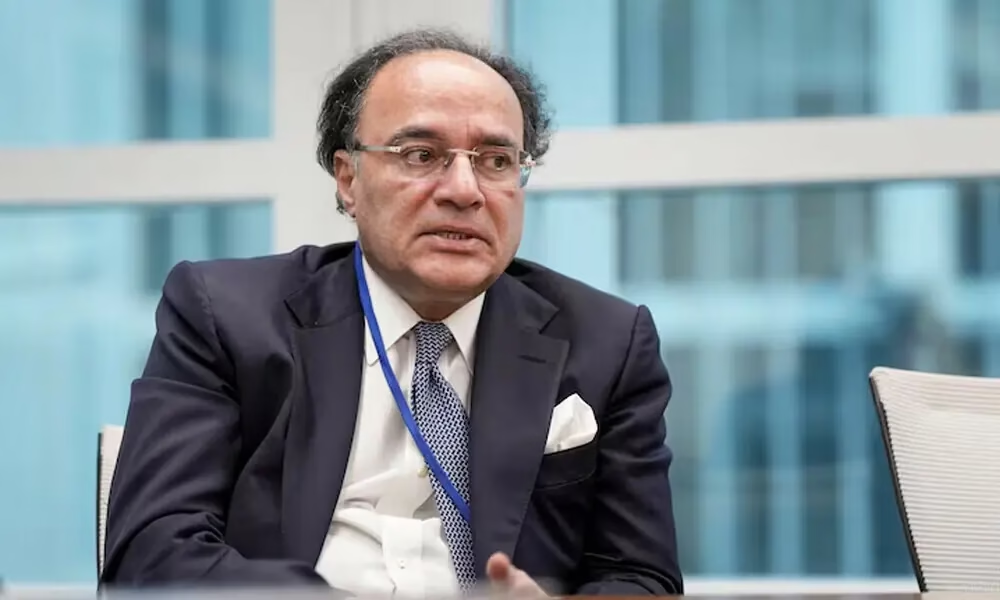
The announcement was made by Petroleum Minister Ali Pervaiz Malik during a joint press conference with Information Minister Attaullah Tarar. According to the government, the decision comes as international crude oil prices continue to fluctuate due to the ongoing conflict involving Iran and the United States, creating uncertainty in global energy markets.
Why Pakistan Is Introducing Daily Fuel Prices
For years, Pakistan has adjusted petrol and diesel prices periodically based on international oil prices and domestic taxation policies. However, recent instability in global energy markets has increased pressure on governments worldwide to respond more quickly to changing conditions.
Under the new policy, the Oil and Gas Regulatory Authority (OGRA) will calculate fuel prices daily using a seven-day average of international oil prices. This approach is intended to smooth short-term market volatility while ensuring local fuel prices remain aligned with global trends.
Officials believe this pricing mechanism will create a fairer system that reacts faster to international developments without waiting for scheduled price revisions.
Greater Transparency for Consumers
One of the main objectives behind the Pakistan Daily Fuel Prices policy is to improve transparency.
Alongside publishing updated fuel prices each day, OGRA will also explain the factors influencing those prices. These explanations may include changes in international crude oil prices, exchange rates, transportation costs, and applicable taxes.
By providing this information, the government hopes to reduce confusion and increase public trust in the fuel pricing process.
Consumers often question sudden increases in petrol prices, especially when international oil markets appear relatively stable. Officials say greater transparency will help people understand the reasons behind daily price adjustments.
Impact of Global Oil Market Volatility
The government’s decision is closely linked to recent geopolitical tensions affecting energy markets.
Conflicts involving major oil-producing regions often trigger rapid increases in crude oil prices. Since Pakistan imports a significant portion of its petroleum products, fluctuations in international markets directly affect domestic fuel costs.
Any disruption in global oil supplies can quickly influence transportation expenses, industrial production, electricity generation, and inflation across the country.
By updating prices more frequently, Pakistan aims to better reflect these market realities while avoiding large, sudden price changes that occur after longer review periods.
Government Promises Fair Price Reductions
While acknowledging that daily price adjustments may place additional pressure on consumers during periods of rising oil prices, the government has also pledged to pass on any future reductions without delay.
The petroleum minister highlighted previous examples where falling international oil prices resulted in significant relief for consumers.
According to government figures, diesel prices had previously declined from approximately Rs520 per litre to nearly Rs300, while petrol prices also fell by around Rs70 to Rs80 during earlier periods of lower global oil prices.
Officials say the new pricing model will ensure that consumers benefit more quickly whenever international prices decrease.
Energy Security Remains a Priority
The introduction of Pakistan Daily Fuel Prices is only one part of a broader energy strategy.
The Petroleum Ministry has formed a committee tasked with developing a comprehensive post-conflict energy pricing and energy security plan. The committee has already held several meetings and is expected to present its recommendations within the coming weeks.
The strategy will focus on improving Pakistan’s long-term energy resilience while reducing exposure to international supply disruptions.
Among the key priorities being studied are:
- Strengthening national fuel reserves
- Improving energy supply chains
- Reducing dependence on imported petroleum
- Expanding alternative energy sources
- Enhancing pricing transparency
These measures aim to build a more stable and sustainable energy sector over the long term.
Reducing Dependence on Imported Fuel
Pakistan continues to spend billions of dollars annually on petroleum imports, making the economy vulnerable to global oil price fluctuations.
Government officials have indicated that reducing reliance on imported fuel remains an important national objective.
Expanding renewable energy projects, encouraging electric vehicles, improving public transportation, and increasing domestic energy production are expected to play a larger role in future energy planning.
Although these initiatives require long-term investment, they could eventually reduce pressure on fuel imports and help stabilize domestic prices.
Challenges for Businesses and Consumers
Daily fuel price adjustments will likely require businesses and consumers to adapt.
Transport companies, logistics providers, manufacturers, and retailers may need to monitor fuel prices more closely when planning operational costs. Frequent changes in transportation expenses could also influence the prices of goods and services throughout the economy.
For individual consumers, budgeting for fuel expenses may become slightly more challenging, particularly during periods of international market uncertainty.
However, supporters of the policy argue that smaller daily adjustments may be easier to absorb than larger price increases introduced after longer intervals.
The introduction of Pakistan Daily Fuel Prices marks a significant shift in the country’s fuel pricing system. By allowing OGRA to adjust prices daily based on a seven-day average of international oil prices, the government aims to improve transparency, respond more effectively to global market movements, and ensure consumers receive timely price reductions whenever possible.
While challenges remain due to ongoing geopolitical tensions and Pakistan’s dependence on imported fuel, the policy represents an effort to modernize the country’s energy pricing framework. Combined with broader plans to strengthen energy security and diversify energy sources, the new system could contribute to a more resilient and transparent fuel market in the years ahead.