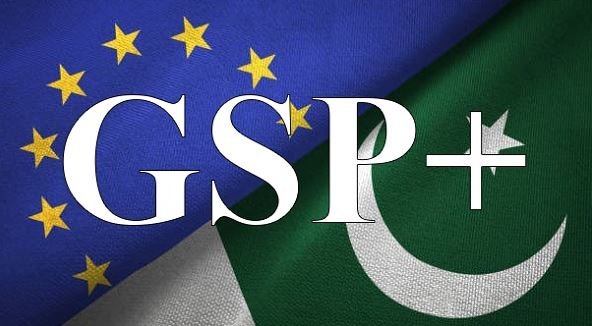
The Pakistan GSP+ Review by the European Commission has delivered encouraging news for the country’s economy, exports, and reform agenda. The latest assessment recognizes Pakistan’s strong performance under the European Union’s Generalised Scheme of Preferences Plus (GSP+), highlighting impressive export growth, continued institutional reforms, and progress in human rights, labor standards, and environmental protection. The report also reflects the strengthening partnership between Pakistan and the European Union, providing optimism for businesses and investors alike.
Pakistan Makes Strong Use of GSP+ Benefits
According to the European Commission, Pakistan remains the largest beneficiary of the EU’s GSP+ trade program. During 2024, Pakistani exporters made outstanding use of the preferential trade arrangement, achieving a utilization rate of more than 95 percent.
Out of €7.482 billion in exports eligible for tariff preferences, approximately €7.115 billion benefited directly from the scheme. This high utilization demonstrates that Pakistani businesses are effectively taking advantage of duty-free or reduced-duty access to one of the world’s largest consumer markets.
The report estimates that Pakistan saved around €732 million in tariffs during the year. These savings have significantly improved the competitiveness of Pakistani products across European markets while supporting export-led economic growth.
European Union Remains Pakistan’s Largest Export Market
The Pakistan GSP+ Review confirms that the European Union continues to be Pakistan’s biggest export destination. Around 28 percent of Pakistan’s total exports are shipped to EU member states, making Europe a vital trading partner.
Pakistan’s textile and garment industries remain the biggest beneficiaries of the GSP+ arrangement. Other sectors, including leather products, food processing, and manufactured goods, also recorded exceptionally high preference utilization rates.
These industries employ millions of Pakistanis and play a central role in supporting industrial production, employment, and foreign exchange earnings. Continued access to European markets provides long-term stability for exporters while encouraging further investment in manufacturing.
Progress Beyond Trade
While exports remain a major focus, the European Commission emphasized that GSP+ is also linked to Pakistan’s commitment to international conventions on governance, labor rights, environmental protection, and human rights.
The report acknowledged that Pakistan has maintained all required treaty commitments without introducing new reservations. It also recognized the country’s continued cooperation with European monitoring missions, demonstrating transparency and constructive engagement.
This positive assessment strengthens Pakistan’s international reputation and reinforces confidence among global partners.
Institutional and Judicial Reforms
The Pakistan GSP+ Review also highlighted meaningful institutional improvements over recent years.
One notable achievement was the National Commission for Human Rights receiving GANHRI A-status accreditation, reflecting stronger institutional independence and effectiveness.
Judicial reforms also received recognition. The European Commission noted progress in prison reforms, judicial training, anti-torture legislation, and efforts to reduce the backlog of cases before the Supreme Court.
The report further acknowledged Pakistan’s decision to reduce the number of offences punishable by the death penalty and noted the continued absence of executions since late 2019, alongside the use of presidential clemency.
These developments demonstrate Pakistan’s ongoing efforts to strengthen its justice system and align domestic laws with international standards.
Improvements in Women’s and Children’s Rights
Women’s empowerment and child protection were identified as important areas of progress.
The European Commission welcomed domestic violence legislation across all provinces and Islamabad, alongside legal reforms addressing child marriage.
The report also appreciated improvements in education through enrollment campaigns, teacher recruitment, and the reopening of schools under national education initiatives.
These measures are helping improve educational opportunities while strengthening social protection for vulnerable communities.
Labor and Environmental Progress
Pakistan has also made important progress in labor reforms.
The country ratified the International Labour Organization’s Protocol to the Forced Labour Convention and introduced child labor action plans across all provinces and territories. Authorities have also taken steps to study wage equality and improve labor conditions for workers in both formal and informal sectors.
Environmental governance received positive recognition as well. The European Commission acknowledged Pakistan’s compliance with climate reporting obligations and praised new policy frameworks related to biodiversity, clean air, climate resilience, and hazardous waste management.
Pakistan’s upgrade to CITES Category 1 further demonstrated improvements in wildlife protection and environmental legislation.
Strong Future Partnership
The Pakistan GSP+ Review also signals that cooperation between Pakistan and the European Union extends well beyond trade.
The EU has reaffirmed its commitment through a €400 million cooperation program covering the 2021–2027 period. The funding will support projects focused on green economic growth, education, governance reforms, climate resilience, women’s economic empowerment, and skills development.
These initiatives are expected to strengthen Pakistan’s long-term economic competitiveness while supporting sustainable development across multiple sectors.
The latest European Commission assessment represents a significant vote of confidence in Pakistan’s economic direction and reform efforts. Strong export performance, continued institutional improvements, and compliance with international commitments have reinforced Pakistan’s position as a key beneficiary of the GSP+ framework.
For exporters, manufacturers, and investors, the report provides reassurance that Pakistan remains well-positioned to benefit from preferential access to European markets. At the same time, ongoing reforms in governance, labor standards, environmental protection, and human rights will be essential for maintaining these advantages.
As global trade becomes increasingly competitive, Pakistan’s ability to combine export growth with meaningful reforms will remain crucial. The positive findings of the Pakistan GSP+ Review demonstrate that the country is moving in the right direction, creating opportunities for stronger economic growth, increased employment, and deeper cooperation with the European Union in the years ahead.