Yemen Condemns US Strikes following reports that American forces targeted southern parts of Iran despite a previously announced ceasefire. The latest developments have added to growing tensions across the Middle East, with Yemeni officials warning that the continued use of foreign military bases in the region could further destabilize an already fragile security environment. The statements from Yemen highlight concerns about regional sovereignty, military escalation, and the broader impact of foreign military involvement.
Yemen Criticizes Recent Military Action
Yemen’s Ministry of Foreign Affairs issued a strong statement criticizing the reported US military attacks on Iran. According to the ministry, allowing foreign military bases to launch operations against neighboring countries creates serious risks for the entire region.
Officials argued that military actions carried out from bases located in West Asia could trigger wider instability and increase the likelihood of additional conflict. The ministry emphasized that regional countries should carefully consider the consequences of permitting foreign military operations from their territories.
The Yemen Condemns US Strikes position reflects the country’s long-standing opposition to foreign military presence in the region.
Concerns Over Foreign Military Bases
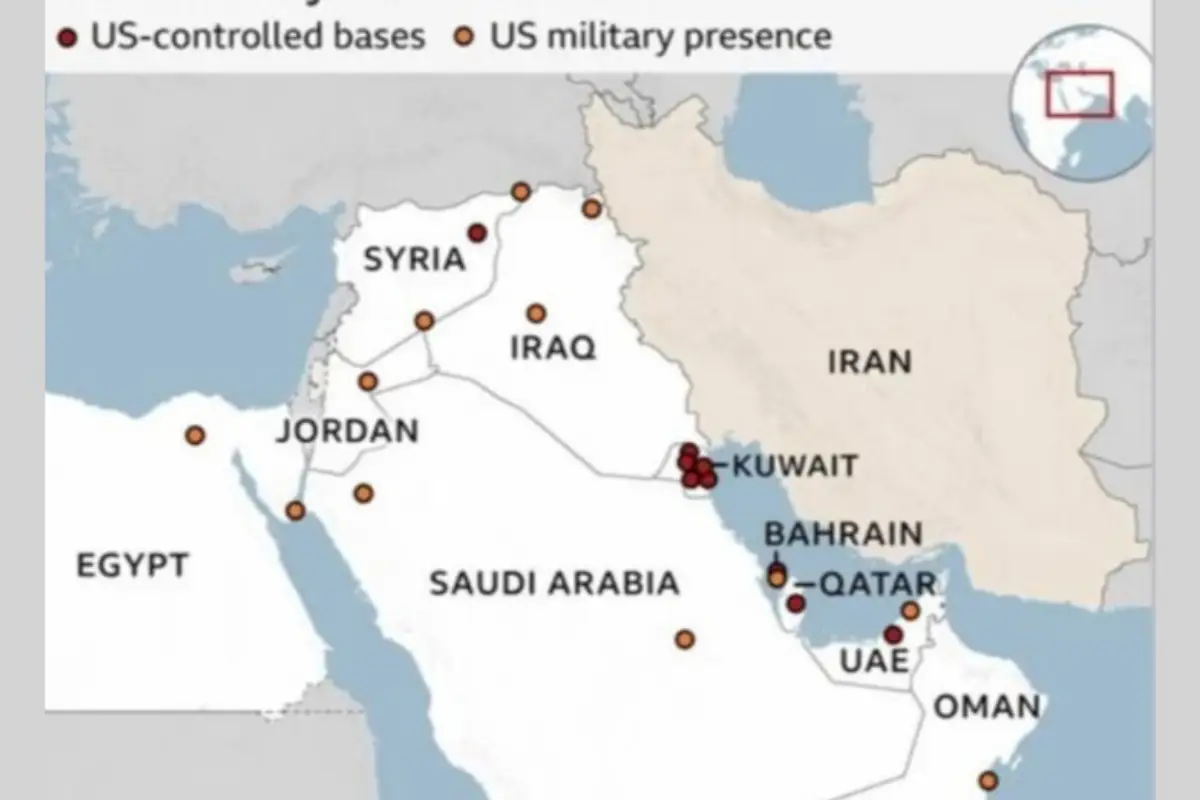
A central theme in Yemen’s response was the presence of foreign military bases across the Middle East.
The ministry described foreign military installations as a continuing source of regional insecurity rather than stability. According to the official statement, these bases represent external influence that could increase tensions instead of reducing them.
Yemeni officials argued that any military operation launched from these facilities against countries within what they describe as the “axis of resistance” could have wider regional consequences.
This perspective continues to shape Yemen’s foreign policy messaging regarding regional security issues.
Warning to Regional Countries
The Yemen Condemns US Strikes statement also included a warning directed toward countries hosting American military facilities.
Officials urged neighboring states to avoid allowing their territories to become launch points for attacks against other nations. According to the ministry, such actions could expose host countries to unintended consequences if regional tensions continue to escalate.
Although no specific military response was announced, the warning signals Yemen’s concern over expanding regional conflict involving multiple countries.
Statements From Yemeni Political Figures
Former Secretary General of Yemen’s Supreme Political Council, Yasser Al-Houri, also commented on the situation.
He suggested that resistance groups across the region could respond collectively if attacks continue to originate from foreign military installations.
His remarks reflected broader political views held by several organizations aligned with regional resistance movements. While these comments do not represent official military action, they illustrate the growing political rhetoric surrounding the latest developments.
Strategic Importance of Regional Bases
The United States maintains military facilities in several countries throughout West Asia, including Kuwait, Qatar, Bahrain, and the United Arab Emirates.
These bases play important roles in regional security cooperation, logistics, intelligence gathering, and military operations.
However, critics argue that their presence also makes them central points in regional geopolitical disputes.
The Yemen Condemns US Strikes response specifically focused on concerns surrounding the use of these facilities during military operations involving Iran.
Calls for Regional Stability
Political analyst Abdalallah Hidarah stated that countries facing military attacks have the right to defend themselves if foreign bases are used to launch operations against them.
He also argued that public opinion across the region continues to evolve as conflicts become more complex.
Although viewpoints differ widely among governments and analysts, many agree that reducing military escalation remains essential for achieving long-term regional stability.
Diplomatic engagement continues to be viewed by many international observers as the preferred path toward lowering tensions.
Public Reactions Inside Yemen
Reports indicate that many residents in Sana’a publicly expressed support for Iran following the reported strikes.
Some individuals reportedly called for stronger regional measures, including restrictions on maritime routes used by countries they believe support military operations against Iran.
Public demonstrations and political statements often reflect broader regional sentiments during periods of heightened geopolitical tension.
However, government decisions regarding military or diplomatic action remain separate from public opinion.
Regional Security Challenges Continue
The latest Yemen Condemns US Strikes announcement comes during a period of ongoing uncertainty across the Middle East.
Several regional conflicts continue simultaneously, creating a complicated security environment involving multiple countries and international powers.
Military actions, economic pressures, and diplomatic negotiations remain interconnected, making peaceful resolutions increasingly difficult.
Many experts believe that dialogue between regional governments and international partners remains the most effective method for reducing the risk of wider conflict.
The Importance of Diplomacy
While military responses often receive international attention, diplomatic communication remains equally important.
Regional organizations and global institutions continue encouraging all parties to resolve disputes through negotiations rather than armed confrontation.
Maintaining open diplomatic channels may help prevent misunderstandings, reduce tensions, and support long-term peace efforts.
Constructive dialogue also allows governments to address security concerns without further increasing instability.
The Yemen Condemns US Strikes statement highlights growing concerns over military escalation following reports of American attacks on Iran despite a ceasefire. Yemeni officials have criticized the use of foreign military bases for regional operations while warning neighboring countries about the potential consequences of continued involvement.
As tensions remain high across the Middle East, the international community continues to watch developments closely. Although political differences remain significant, many observers agree that diplomacy, regional cooperation, and efforts to reduce military confrontation offer the best opportunity for lasting peace and stability.