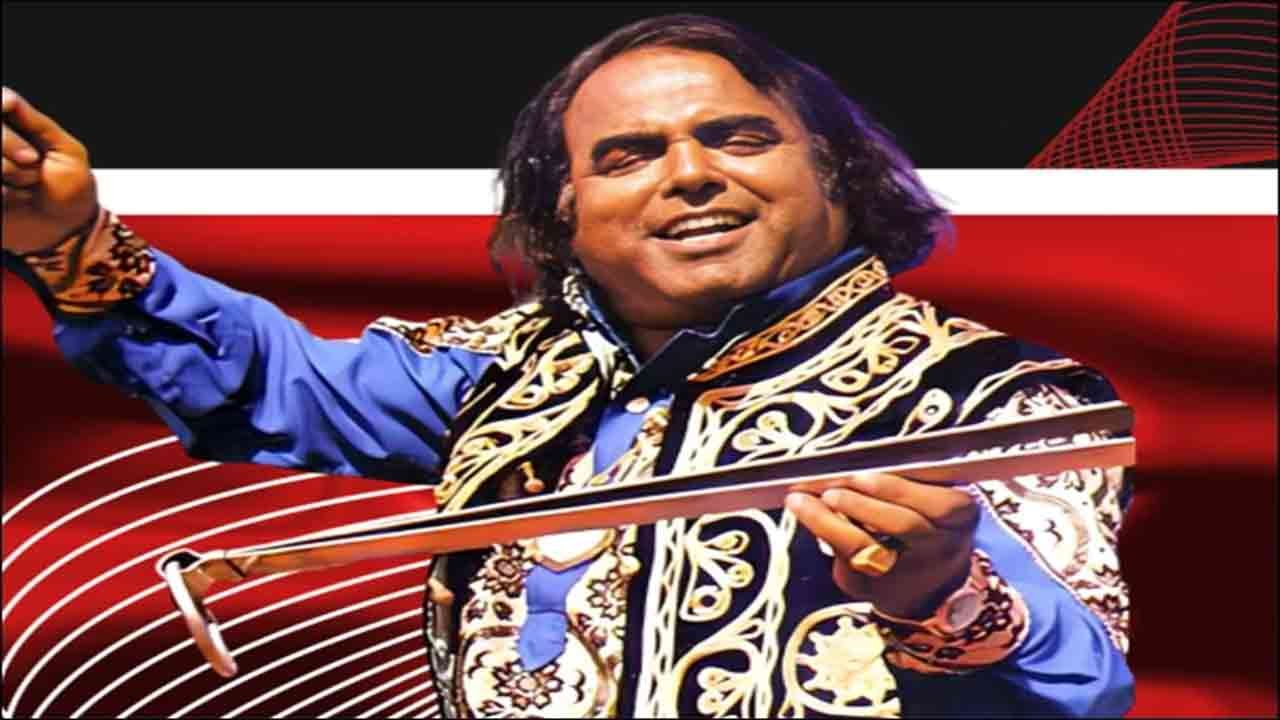
The Alam Lohar Legacy continues to inspire generations of music lovers in Pakistan and beyond. Even decades after his passing, Alam Lohar remains one of the most celebrated folk singers in South Asia. His unforgettable voice, colorful personality, and deep connection with Punjabi culture transformed traditional folk music into a timeless art form. His songs still echo at cultural festivals, family gatherings, and music platforms, proving that true legends never fade.
The Early Life of Alam Lohar
Born on March 1, 1928, in Pakistan’s Gujrat district, Alam Lohar developed a passion for music at a very young age. Growing up in a rural environment, he was deeply influenced by the region’s folk traditions and storytelling culture. Instead of following conventional career paths, he dedicated his life to preserving and promoting Punjabi folk music.
His performances quickly attracted attention because of his powerful voice and energetic stage presence. He became famous not only for his singing but also for his distinctive appearance, often dressed in colorful traditional clothing while carrying his iconic chimta, a musical instrument that became his signature.
How the Alam Lohar Legacy Changed Punjabi Folk Music
The Alam Lohar Legacy is closely connected with the revival of Punjabi folk music during a time when traditional musical styles were losing popularity. He modernized folk performances without compromising their authenticity, making them appealing to audiences from all walks of life.
His energetic performances combined music, storytelling, and cultural traditions, creating an unforgettable experience for listeners. Whether performing in villages or major cities, Alam Lohar captivated audiences with his emotional delivery and unique musical style.
His influence also encouraged younger artists to embrace traditional music instead of abandoning it for modern trends.
Timeless Songs That Still Inspire
Alam Lohar produced numerous songs that continue to be cherished by music lovers today. Some of his most memorable performances include:
- Jagni
- Bol Mati Diya Baawiya
- Wajan Maariyan
These songs remain popular across generations because they reflect the emotions, struggles, and values of ordinary people. His music celebrated love, spirituality, courage, and the beauty of Punjabi culture.
Even today, many singers perform his songs as a tribute to one of Pakistan’s greatest folk artists.
Bringing Sufi Poetry to the Masses
One of the most remarkable aspects of the Alam Lohar Legacy was his ability to introduce classical Sufi poetry to everyday audiences.
He beautifully performed the works of legendary Sufi poets such as:
- Mian Muhammad Bakhsh
- Sultan Bahu
- Other renowned Punjabi poets
By combining soulful melodies with meaningful poetry, he made spiritual literature accessible to millions of people. His performances carried messages of peace, humanity, love, and faith that continue to resonate today.
International Recognition
Although Alam Lohar built his career in Pakistan, his popularity extended far beyond the country’s borders.
He represented Pakistani culture through performances in several countries, including:
- United Kingdom
- Canada
- Germany
- Norway
These international tours introduced global audiences to the richness of Punjabi folk music. At a time when cultural exchanges were limited, Alam Lohar became an ambassador of Pakistan’s musical heritage.
His concerts abroad strengthened the appreciation of traditional Pakistani music among overseas communities and international audiences alike.
National Honors and Recognition
Alam Lohar’s remarkable contribution to music earned him one of Pakistan’s highest civilian honors.
In 1979, the Government of Pakistan awarded him the Pride of Performance in recognition of his outstanding services to the country’s cultural heritage.
The award acknowledged not only his musical excellence but also his efforts to preserve Punjabi traditions for future generations.
Today, his achievements continue to be celebrated by musicians, cultural organizations, and fans throughout Pakistan.
A Legacy Continued by Arif Lohar
The Alam Lohar Legacy did not end with his passing. His son, Arif Lohar, has successfully carried forward his father’s musical tradition.
Arif Lohar has gained international recognition while staying true to the folk roots established by his father. By blending traditional Punjabi music with contemporary styles, he has introduced the next generation to the timeless beauty of folk music.
This continuation of the family tradition ensures that Alam Lohar’s influence remains alive across generations.
His Tragic Passing
Sadly, Alam Lohar’s extraordinary journey ended on July 3, 1979, when he lost his life in a traffic accident near Shamke Bhattian.
Although his death was a tremendous loss for Pakistan’s music industry, his songs and performances continue to inspire millions. Every year, fans, musicians, and cultural institutions remember his contributions and celebrate his remarkable career.
His voice still serves as a reminder of Pakistan’s rich artistic heritage and the importance of preserving traditional music.
Why Alam Lohar Still Matters Today
The Alam Lohar Legacy represents much more than musical success. It symbolizes cultural pride, artistic excellence, and the preservation of traditions that define Pakistan’s identity.
In today’s rapidly changing music industry, his work reminds audiences that authentic folk music remains timeless. His performances continue to educate younger generations about Punjabi culture while inspiring artists to value their own musical heritage.
His songs remain relevant because they connect people with their roots, celebrate shared traditions, and promote values of unity and humanity.
Few artists have left a mark on Pakistani music as deep as Alam Lohar. Through his unforgettable voice, iconic performances, and dedication to Punjabi folk traditions, he created a legacy that continues to inspire listeners around the world.
The Alam Lohar Legacy lives on through his timeless songs, his influence on modern folk artists, and the continued efforts of his son Arif Lohar. Decades after his passing, Alam Lohar remains a true cultural icon whose music will continue to resonate with generations to come.