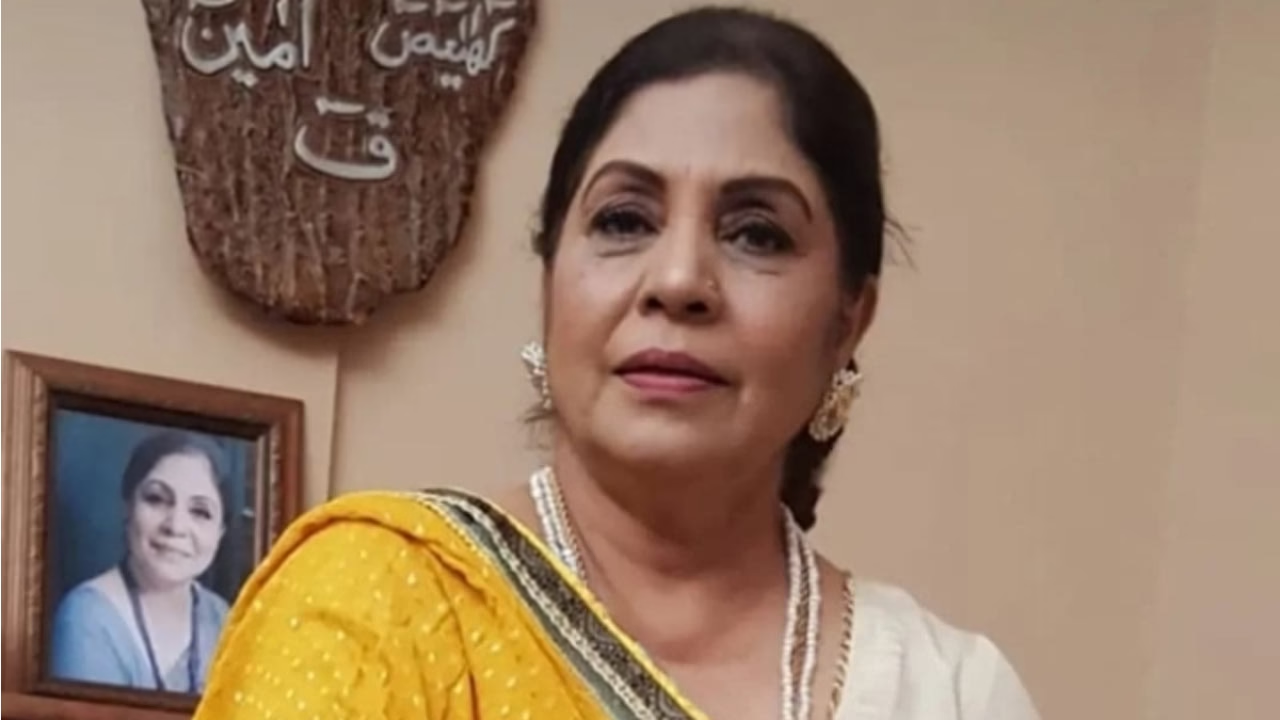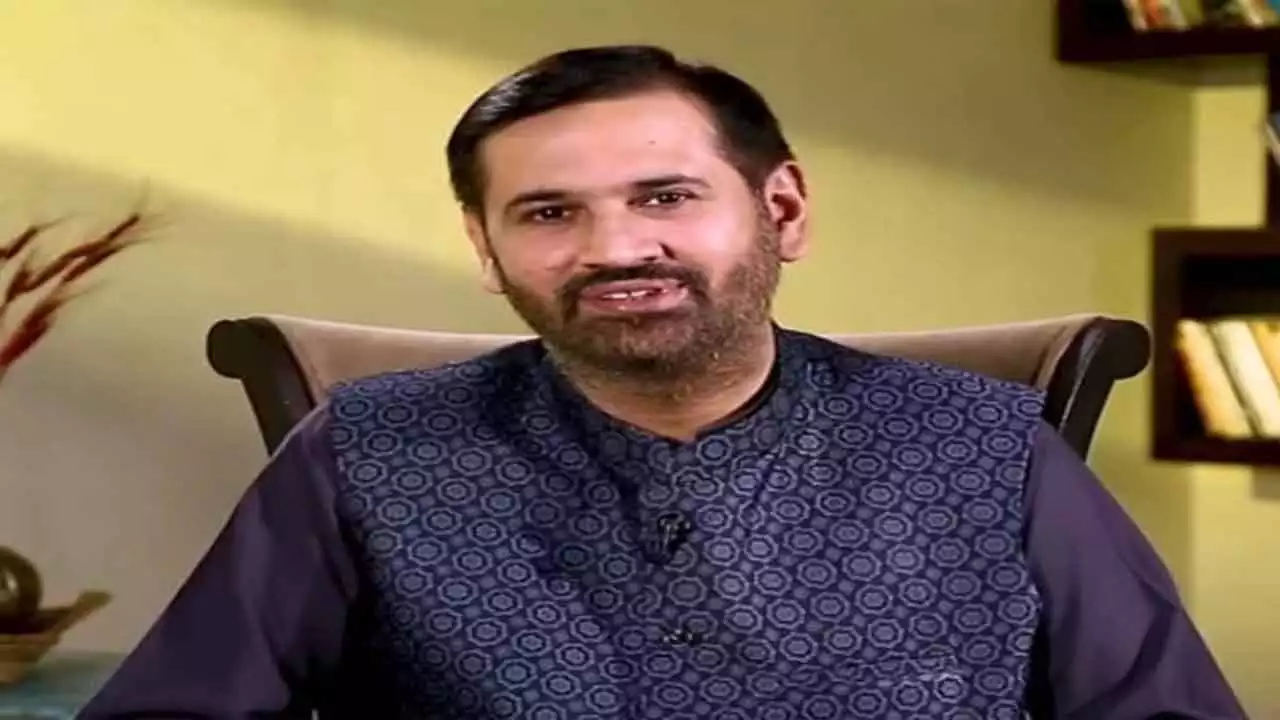
The issue of acid attack victims has once again become a topic of public discussion after remarks made during a television program sparked criticism on social media. The debate began when writer Khalil-ur-Rehman Qamar commented on acid attacks in a manner that many people, including politician Hina Pervez Butt, considered insensitive. The incident has reignited an important conversation about violence against women and the challenges faced by survivors of such brutal crimes.
Acid attacks remain one of the most horrifying forms of violence. Beyond the immediate physical injuries, survivors often endure lifelong emotional, psychological, and social trauma. For this reason, many social activists and rights advocates argue that such crimes should never be treated lightly or discussed in a way that minimizes the suffering of victims.
During a television discussion, acid attacks were mentioned as part of a broader conversation about violence against women. In response, Khalil-ur-Rehman Qamar remarked that the discussion was being framed as though men routinely carry acid bottles in their pockets. The statement quickly drew criticism from viewers and participants in the program.
Among those who objected was Hina Pervez Butt, who challenged the remark during the show and later expanded on her concerns through social media. She emphasized that making light of acid attacks can undermine the seriousness of a crime that has devastated countless lives.
According to Hina Pervez Butt, acid attack victims face challenges that extend far beyond physical recovery. Many survivors struggle with depression, anxiety, social isolation, and discrimination. Rebuilding confidence and reintegrating into society often takes years, making public understanding and support crucial for their recovery.
She argued that treating such incidents as a subject of satire or casual debate can discourage victims from speaking out and seeking justice. When influential public figures make comments that appear dismissive, it may contribute to a culture where survivors feel misunderstood or unsupported.
The discussion highlights a broader issue within society: how violence against women is perceived and discussed. While significant progress has been made in raising awareness about gender-based violence, there is still a need for greater sensitivity when addressing these issues in public forums.
For many advocates, the experiences of acid attack victims serve as a reminder that words matter. Public discourse has the power either to strengthen awareness and empathy or to reinforce harmful attitudes. Responsible discussions can help educate people about the severity of these crimes and encourage meaningful action.
Acid attacks are not merely isolated incidents; they represent a serious human rights concern. Survivors often require extensive medical treatment, including multiple surgeries and long-term rehabilitation. The financial burden can be overwhelming, and many victims depend on support from family members, charitable organizations, and government programs.
In addition to physical recovery, social acceptance remains a major challenge. Many survivors report facing prejudice due to changes in their appearance. This discrimination can affect employment opportunities, education, and personal relationships. As a result, acid attack victims often need comprehensive support systems that address both medical and social needs.
Hina Pervez Butt stressed that society should focus on understanding the pain of survivors rather than turning their experiences into controversial talking points. She called for greater awareness, stronger implementation of laws, and collective efforts to combat violence against women.
Experts agree that legislation alone cannot solve the problem. Public education campaigns, community engagement, and victim support services are equally important. Schools, media organizations, and civil society groups all have a role to play in promoting respect, equality, and accountability.
The media, in particular, carries significant responsibility. Television programs and public discussions influence public opinion and can shape attitudes toward sensitive issues. Thoughtful and respectful coverage can help ensure that acid attack victims are treated with dignity while encouraging constructive dialogue about prevention and justice.
The recent controversy has also sparked discussions on social media, where users expressed differing opinions. While some defended the remarks as a figure of speech, others argued that public figures should be more careful when discussing crimes that have caused immense suffering.
Regardless of differing viewpoints, the debate has drawn renewed attention to the realities faced by survivors. It has reminded the public that acid attacks are not abstract concepts but real tragedies that leave lasting scars on individuals and families.
Ultimately, the conversation should not revolve around controversy alone. Instead, it should focus on how society can better support acid attack victims, strengthen legal protections, and promote awareness about the devastating consequences of such crimes.
As discussions continue, one message remains clear: violence against women should never be trivialized. Respect, empathy, and accountability are essential in creating a society where survivors receive the justice and support they deserve. By taking these issues seriously, communities can contribute to a safer and more compassionate future for everyone.