The ongoing Gaza conflict has intensified once again after Israel announced the killing of Mohammed Odeh, a recently appointed senior commander of Hamas’s armed wing in Gaza. The development comes at a time when tensions remain extremely high despite the existence of a fragile ceasefire between both sides.
The latest escalation in the Gaza conflict has raised fears of further violence, civilian casualties, and instability in the region as military operations and retaliatory attacks continue.
Israel Targets Senior Hamas Leader
According to Israeli authorities, Mohammed Odeh was killed in an airstrike shortly after assuming leadership responsibilities following the death of his predecessor. Israeli officials described the operation as part of their continuing campaign against Hamas leadership since the October 2023 attacks.
Reports suggest that Odeh was considered one of the senior Hamas figures in Gaza and had previously headed the organization’s intelligence wing. Hamas later confirmed his death and stated that his wife and children were also killed during the strike.
The incident has become another major development in the ongoing Gaza conflict, which has already resulted in heavy casualties and widespread destruction.
Funeral Draws Hundreds in Gaza City
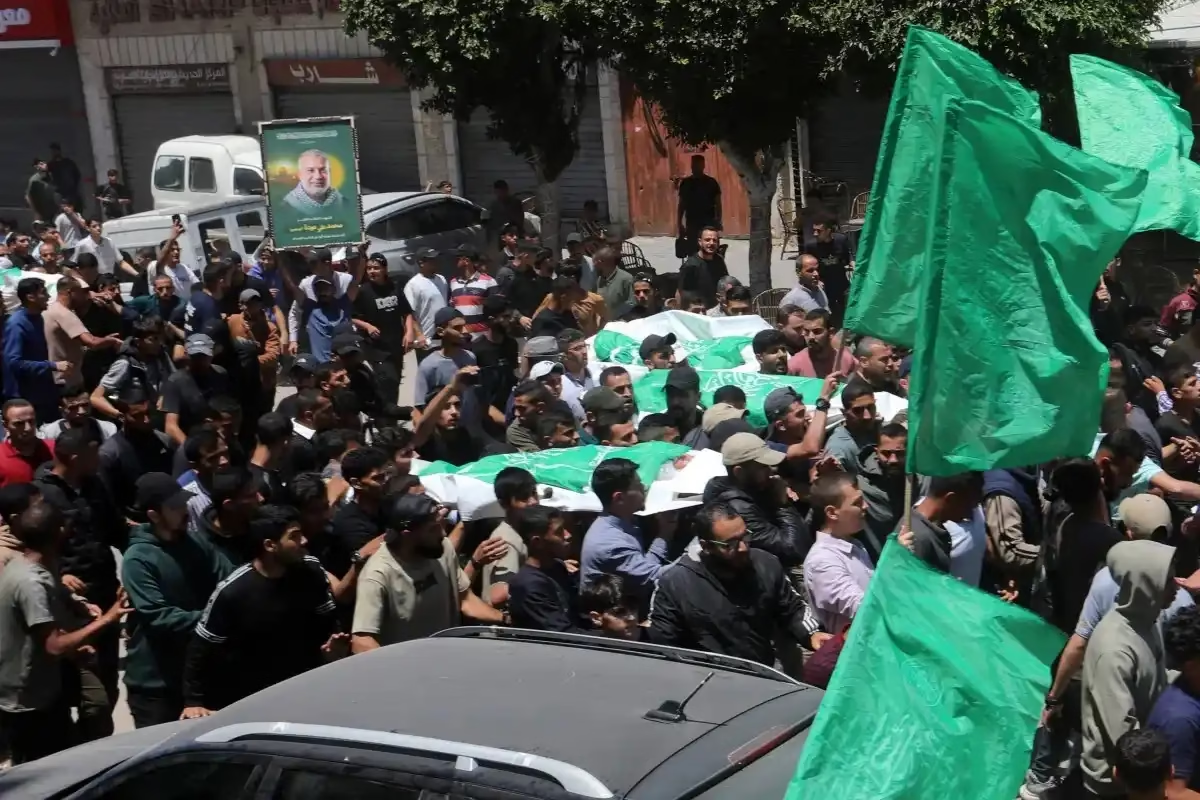
Following the strike, hundreds of people reportedly attended Mohammed Odeh’s funeral in Gaza City. The gathering reflected the emotional and political impact of the event within Gaza, where the conflict continues to affect daily life.
The death of another senior Hamas commander is expected to further deepen tensions in the already volatile Gaza conflict, as both sides continue to accuse each other of violating ceasefire understandings.
Israeli Operations Continue
Israel has repeatedly stated that it is focused on eliminating individuals it considers responsible for attacks carried out against Israeli civilians. Since the October 2023 conflict began, several senior Hamas leaders have reportedly been killed in Israeli operations.
Among the names frequently mentioned are Ismail Haniyeh, Yahya Sinwar, and Mohammed Deif. Israeli officials argue that these operations are part of a broader strategy to weaken Hamas’s military capabilities.
The continuation of these targeted strikes shows that the Gaza conflict remains far from resolved despite international calls for restraint and diplomacy.
Civilian Casualties Remain a Major Concern
While military operations continue, civilian casualties remain one of the most serious humanitarian concerns. According to Gaza’s civil defence agency, another attack in central Gaza City reportedly killed 10 people, including children, while several others were injured.
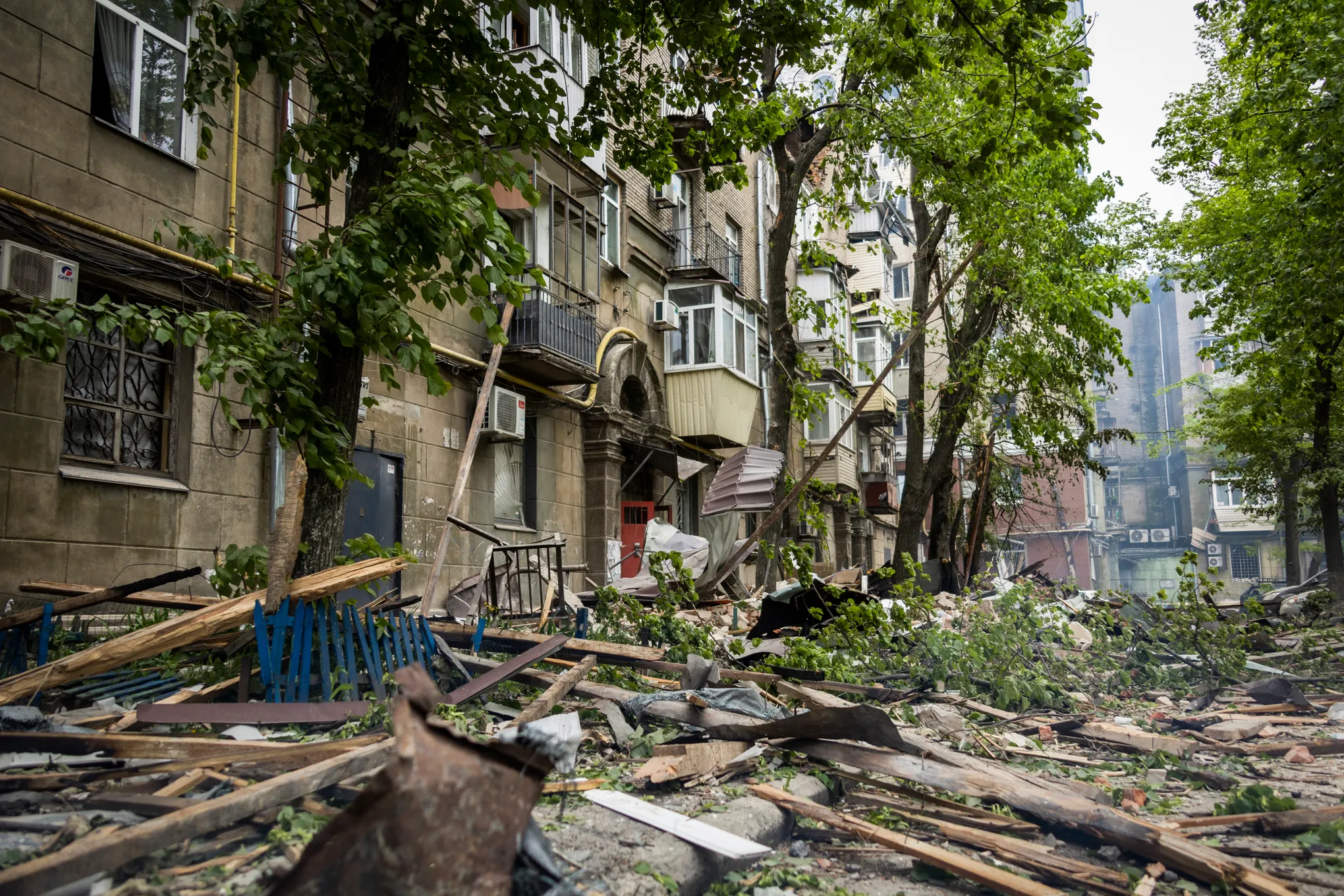
The ongoing violence has caused widespread destruction to homes, hospitals, and public infrastructure. Families across Gaza continue to face displacement, shortages of essential supplies, and growing insecurity.
The humanitarian impact of the Gaza conflict has drawn concern from international organizations and aid agencies, which continue to call for greater protection of civilians.
Ceasefire Remains Fragile
Although a ceasefire arrangement is technically in place, tensions remain extremely fragile. Both Israel and Hamas continue to accuse each other of violating agreements and escalating hostilities.
Analysts believe that isolated attacks, military operations, and retaliatory strikes are preventing the situation from stabilizing. The lack of trust between the two sides has made long-term peace efforts increasingly difficult.
The current state of the Gaza conflict demonstrates how ceasefires alone may not be enough without broader political negotiations and lasting diplomatic solutions.
Regional and Global Concerns
The conflict in Gaza has also affected regional stability across the Middle East. Neighboring countries and international powers continue to monitor the situation closely due to fears of wider escalation.
Many governments have called for immediate de-escalation, humanitarian access, and renewed peace efforts. At the same time, protests and political debates related to Gaza continue in different parts of the world.
The prolonged Gaza conflict is not only a regional issue but also a major international concern because of its humanitarian, political, and security implications.
Humanitarian Crisis Deepens
As fighting continues, humanitarian conditions in Gaza remain extremely difficult. Many residents are struggling with limited access to food, electricity, clean water, and medical care.
Aid agencies warn that continued military operations could worsen the already severe humanitarian crisis. Hospitals remain under pressure, and thousands of civilians continue to live under uncertain conditions.
The worsening humanitarian situation highlights the urgent need for efforts to reduce violence and bring stability to the Gaza conflict.
Uncertain Future Ahead
Despite occasional diplomatic efforts, the future of the conflict remains uncertain. Continued military operations, targeted strikes, and accusations from both sides suggest that tensions may persist for some time.
Observers believe that without meaningful negotiations and international involvement, achieving long-term peace will remain difficult.
The latest developments in the Gaza conflict once again underline the complexity of the situation and the heavy human cost being paid by civilians caught in the middle of ongoing violence.