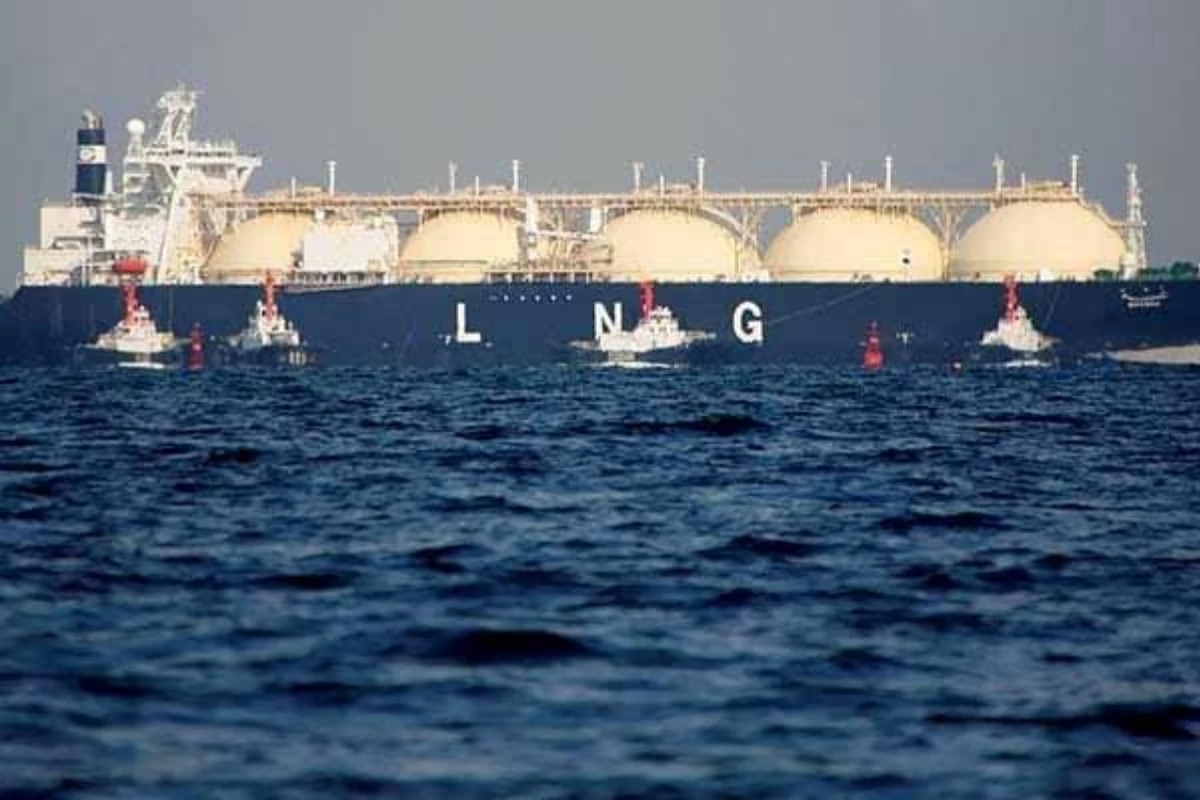
The arrival of a new LNG shipment Pakistan has provided much-needed relief to the country’s energy sector after nearly two months of uncertainty. As gas shortages had begun to affect power generation and industrial activity, this latest development offers a short-term solution and renewed hope for stability.
The LNG carrier Seapeak Magellan recently docked at the Pakistan GasPort Terminal, bringing approximately 140,000 cubic metres of liquefied natural gas. Soon after its arrival, the process of converting LNG into re-gasified LNG (RLNG) began, allowing it to be injected directly into Pakistan’s national gas network.
This LNG shipment Pakistan was arranged by TotalEnergies at a price of $18.40 per mmbtu. While global LNG prices remain volatile due to geopolitical tensions, this shipment has helped ease immediate supply pressures. It also marks the first LNG cargo to reach the country in several weeks, making its timing particularly important.
Initially, gas supply from the shipment started at a lower level of around 50 million cubic feet per day (MMcf). However, as operations stabilized, the flow gradually increased to 250 MMcf and later reached 260 MMcf. This steady rise highlights the system’s ability to quickly absorb and distribute incoming gas supplies.
A portion of this LNG shipment Pakistan—around 45 MMcf—is being directed to K-Electric to support electricity generation in Karachi. The remaining supply is being routed through Sui Northern Gas Pipelines Limited, which distributes gas across various regions in the country. This balanced allocation is helping maintain stability across both power generation and domestic consumption.
Officials have confirmed that the arrival of this shipment has brought temporary relief to the power sector. Currently, there is no major load shedding reported, and the overall energy situation appears stable. Improved gas management, combined with this new supply, has played a key role in preventing disruptions.
However, despite the positive impact of this LNG shipment Pakistan, challenges still remain. The country’s energy needs are ongoing, and one shipment alone cannot fully resolve the supply gap. Authorities are actively working to secure additional LNG cargoes to maintain continuity in supply.
Reports suggest that another LNG shipment is expected between May 10 and 12. Discussions are underway regarding the procurement method, whether through open market bidding or a direct arrangement with SOCAR. This decision will be crucial in determining both the cost and reliability of future supplies.
Another major concern affecting the LNG shipment Pakistan pipeline is the disruption in the Strait of Hormuz. This critical shipping route has been impacted by regional tensions, delaying several fuel shipments. Pakistan is currently trying to secure four LNG cargoes that have been affected by these disruptions, with high-level talks ongoing to resolve the issue.
The situation in the Strait of Hormuz is particularly important because a significant portion of the world’s energy supply passes through this route. Any blockage or delay can have a ripple effect on global markets, including Pakistan’s energy imports. This makes the successful arrival of the recent shipment even more significant.
Encouragingly, there are signs that fuel shipments in the region are gradually resuming. This has raised hopes that more LNG cargoes will reach Pakistan in the coming weeks. If these shipments arrive as expected, they could further stabilize the country’s energy supply and reduce the risk of shortages.
The recent LNG shipment Pakistan also highlights the importance of long-term energy planning. While short-term solutions like emergency shipments can provide relief, sustainable strategies such as diversifying energy sources, investing in renewables, and improving storage capacity are essential for long-term stability.
The arrival of this LNG shipment Pakistan has provided timely relief to a strained energy sector, helping stabilize gas supply and prevent immediate disruptions. However, the situation remains delicate, with future supply dependent on global conditions and regional developments. As Pakistan continues to navigate these challenges, securing consistent energy resources will remain a top priority for ensuring economic stability and growth.