The Sindh exam cheating crackdown marks a major step by the provincial government to restore fairness and integrity in board examinations. With increasing complaints about malpractice, the Sindh exam cheating crackdown aims to send a clear message that cheating and corruption will no longer be tolerated in matriculation and intermediate exams.
In a joint statement, Muhammad Ismail Rahu and Sardar Shah announced strict measures against both students and staff involved in unfair practices. Their decision comes at a time when ongoing exams have been surrounded by serious allegations, raising concerns among students, parents, and educators alike.
Under the new policy, students caught cheating during exams will face severe consequences. The government has made it clear that anyone using unfair means will not only have their papers cancelled but may also be barred from appearing in future board examinations. This firm stance is a key part of the Sindh exam cheating crackdown, which focuses on long-term accountability rather than temporary penalties.
The crackdown does not stop at students. Officials have also targeted staff members who facilitate cheating. Invigilators, examiners, or administrative personnel found involved in malpractice could face dismissal from their positions. By holding staff accountable, the Sindh exam cheating crackdown addresses one of the root causes of the issue internal support for dishonest practices.
Recent reports have highlighted widespread irregularities in examination centres. Allegations of paper leaks, bribery, and poor administration have cast doubt on the credibility of the system. In some cases, exam papers were reportedly leaked on social media just minutes before the exam began, giving certain students an unfair advantage. These incidents have further strengthened the need for the Sindh exam cheating crackdown.
Students have also raised concerns about last-minute changes to examination centres. Some candidates were reassigned to different locations after already appearing in multiple papers, causing confusion and stress. Such disruptions not only affect performance but also undermine confidence in the examination process. Addressing these administrative failures is another important goal of the Sindh exam cheating crackdown.
Another alarming issue has been the reported use of mobile phones inside examination halls. According to officials, some students were allegedly allowed unrestricted access to devices, enabling them to cheat easily. In response, the government has announced that any student found with a mobile phone or cheating material will be immediately expelled from the exam hall. This strict enforcement is central to the Sindh exam cheating crackdown and aims to eliminate technological misuse.
There have also been claims of organized cheating networks, where students allegedly paid up to Rs5,000 to gain assistance during exams. Such practices not only harm honest students but also damage the reputation of the education system. By introducing strict penalties, the Sindh exam cheating crackdown seeks to dismantle these networks and discourage future misconduct.
To ensure effective implementation, the government has promised to strengthen monitoring systems at examination centres. Increased supervision, better coordination, and stricter checks are expected to reduce opportunities for cheating. The Sindh exam cheating crackdown is not just about punishment but also about prevention, ensuring that exams are conducted in a fair and transparent manner.
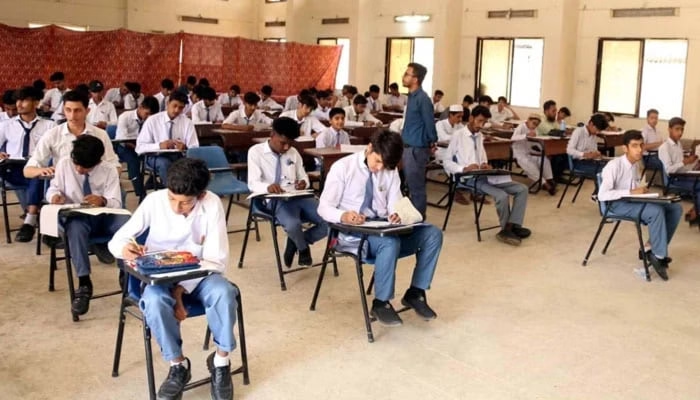
The timing of this initiative is significant, as annual examinations for 9th and 10th-grade students are currently underway. With thousands of students participating, maintaining integrity is crucial for their academic future. The Sindh exam cheating crackdown aims to create a level playing field where success is based on merit rather than manipulation.
While these measures have been widely welcomed, some believe that long-term reforms are also necessary. Improving teacher training, upgrading examination systems, and introducing digital monitoring tools could further strengthen the process. The Sindh exam cheating crackdown is an important first step, but sustained efforts will be needed to bring lasting change.
The Sindh exam cheating crackdown represents a strong commitment by the government to address a long-standing issue. By taking strict action against both students and staff, the authorities are sending a clear message that fairness in education is non-negotiable. If implemented effectively, this initiative could restore trust in the examination system and ensure that hardworking students receive the recognition they deserve.