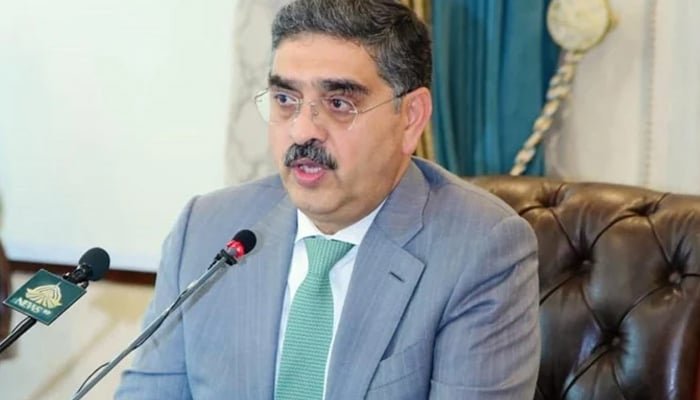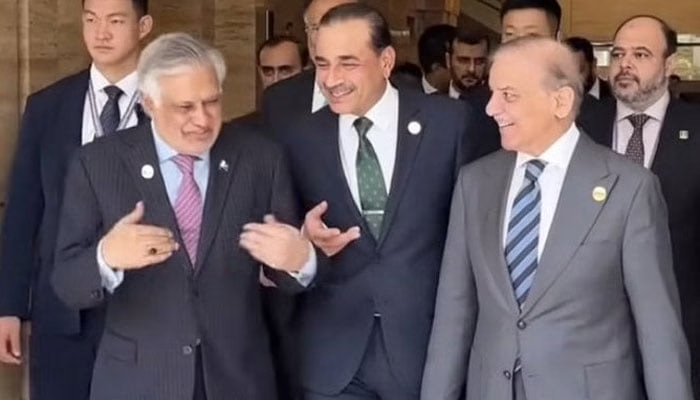
The recent development surrounding the Nobel Peace Prize nomination Pakistan leaders has sparked widespread discussion both locally and internationally. A resolution submitted in the Punjab Assembly calls for the nomination of key Pakistani figures for their diplomatic efforts in easing tensions during the Middle East crisis. This move highlights Pakistan’s growing role in global peacebuilding and conflict resolution.
The resolution specifically proposes the names of Shehbaz Sharif, Asim Munir, and Ishaq Dar for the prestigious award. According to the proposal, their coordinated diplomatic strategy played a crucial role in de-escalating tensions between the United States and Iran at a critical moment.
A Turning Point in Diplomacy
The Nobel Peace Prize nomination Pakistan leaders discussion gained momentum after Pakistan reportedly facilitated a temporary ceasefire between the US and Iran. At a time when tensions were escalating rapidly, diplomatic intervention from Islamabad helped create space for dialogue instead of conflict.
This effort became even more significant when Donald Trump agreed to extend a critical deadline, allowing negotiations to continue. The extension provided an opportunity to prevent a potential escalation that could have destabilized the entire region. Pakistan’s timely involvement demonstrated the importance of diplomacy in avoiding conflict.
Role of Leadership
Each of the nominated leaders played a distinct role in this process. Prime Minister Shehbaz Sharif actively engaged with international stakeholders, urging restraint and emphasizing the need for peaceful dialogue. His communication with global leaders helped build trust and encouraged a diplomatic approach.
Field Marshal Asim Munir, in his capacity as military leadership, ensured strategic coordination and support for diplomatic initiatives. His role highlighted the importance of civil-military alignment in addressing international crises.
Meanwhile, Deputy Prime Minister Ishaq Dar remained in constant contact with key stakeholders, including officials in Washington and Tehran. His efforts were instrumental in bringing both sides to the negotiation table. Together, their combined actions form the basis of the Nobel Peace Prize nomination Pakistan leaders proposal.
Pakistan as a Mediator
Pakistan’s involvement in the Middle East situation reflects its evolving role as a mediator in global conflicts. Historically, the country has maintained relationships with multiple nations, enabling it to act as a bridge during times of crisis.
The Nobel Peace Prize nomination Pakistan leaders narrative underscores how Pakistan leveraged its diplomatic channels to promote peace. By facilitating communication between opposing sides, Islamabad helped reduce tensions that could have otherwise escalated into a larger conflict involving multiple countries.
Global Implications
The Middle East crisis had raised serious concerns worldwide, with fears that it could spiral into a major international confrontation. Rising tensions among the US, Iran, and Israel created an atmosphere of uncertainty, affecting not only regional stability but also global security.
In this context, the Nobel Peace Prize nomination Pakistan leaders highlights the significance of timely diplomatic intervention. Preventing conflict in such a volatile region is not just a regional achievement—it has global implications. Peace efforts in one part of the world can influence economic stability, energy markets, and international relations on a broader scale.
Recognition and Debate
While the resolution praises the efforts of Pakistan’s leadership, the proposal has also sparked debate. Some view the nomination as a well-deserved recognition of proactive diplomacy, while others believe that the Nobel Peace Prize process requires broader international consensus and long-term impact.
Nevertheless, the Nobel Peace Prize nomination Pakistan leaders has brought attention to Pakistan’s diplomatic achievements. It has also opened discussions about the criteria for global recognition and the role of emerging nations in peacebuilding.
Hosting Peace Talks
Another important outcome of this diplomatic effort is Pakistan’s potential role in hosting future talks between the US and Iran. By providing a neutral platform for dialogue, the country could further strengthen its position as a facilitator of peace.
This development reinforces the significance of the Nobel Peace Prize nomination Pakistan leaders, as it reflects ongoing efforts rather than a one-time achievement. Continued engagement in peace processes could enhance Pakistan’s credibility on the international stage.
The nomination proposal represents more than just recognition—it symbolizes the importance of diplomacy in today’s complex world. As conflicts continue to arise, the need for leaders who prioritize dialogue over confrontation becomes increasingly critical.
The Nobel Peace Prize nomination Pakistan leaders highlights a moment where strategic diplomacy helped prevent a potential crisis. Whether or not the nomination materializes into an award, it underscores the value of peaceful engagement and international cooperation. Pakistan’s role in this situation serves as a reminder that even in times of tension, dialogue and understanding can pave the way for stability and peace.