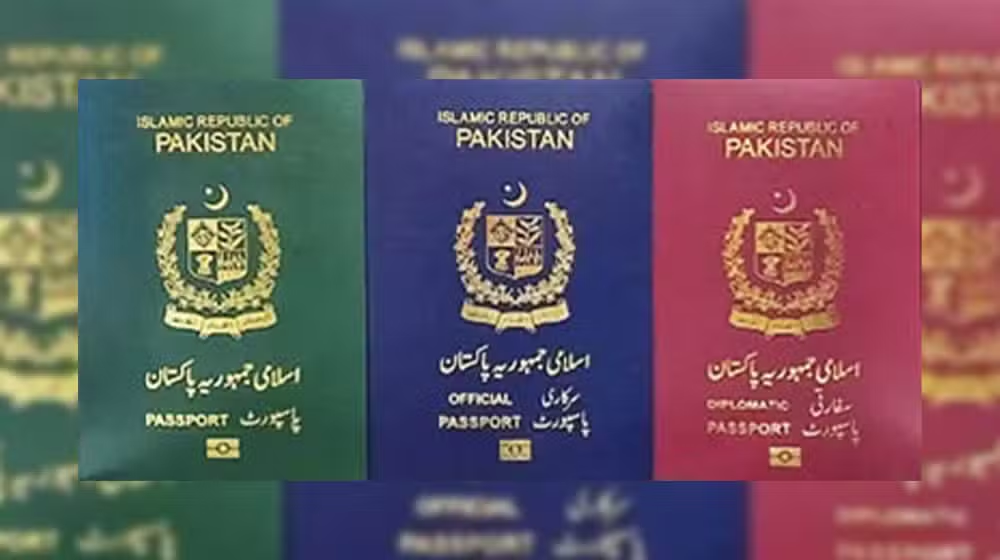
The launch of the Pakistan digital passport system marks a major step toward modernizing public services and improving efficiency in immigration processes. The federal government has announced plans to digitize the entire passport framework, aiming to make it faster, more transparent, and user-friendly for citizens across the country.
This initiative follows the appointment of Chaudhry Muhammad Ali Randhawa as the new Director General of Immigration and Passports. His appointment, confirmed by the Establishment Division, signals a renewed focus on reform and innovation within the system.
A Shift Toward Digital Transformation
The Pakistan digital passport system is part of a broader effort to bring government services into the digital age. Traditionally, passport issuance in Pakistan has involved paperwork, long queues, and delays. By moving toward a paperless system, authorities aim to eliminate many of these challenges.
The goal is simple: reduce processing time, improve accuracy, and enhance the overall experience for applicants. With digital systems in place, citizens can expect quicker responses and fewer administrative hurdles.
Role of Leadership in Reform
The success of the Pakistan digital passport system will largely depend on effective leadership and execution. Mohsin Naqvi has directed the newly appointed DG to introduce comprehensive reforms that focus on digitization and public convenience.
Randhawa brings administrative experience to the role, having previously served in key positions within the government. His new assignment reflects confidence in his ability to lead a transformation that could benefit millions of Pakistanis.
Key Features of the New System
One of the most important aspects of the Pakistan digital passport system is the transition to a fully paperless framework. This means that applications, documentation, and verification processes will be handled digitally, reducing the need for physical paperwork.
Another key feature is the simplification of procedures. The current system can be complex and time-consuming, especially for first-time applicants. By streamlining these processes, the government aims to make passport services more accessible and efficient.
Transparency is also a major focus. Digital systems allow for better tracking of applications, reducing the chances of delays or mismanagement. Citizens will be able to monitor the progress of their applications in real time, increasing trust in the system.
Benefits for Citizens
The Pakistan digital passport system is expected to bring significant benefits for the public. One of the most noticeable improvements will be faster processing times. With automated systems handling much of the workload, applications can be processed more quickly than before.
Convenience is another major advantage. Instead of visiting offices multiple times, applicants may be able to complete most steps online. This is especially beneficial for people living in remote areas who face difficulties accessing government offices.
In addition, the digital system will reduce the risk of errors and document loss. Electronic records are easier to manage and store, ensuring that important information remains secure and accessible.
Enhancing Efficiency and Accountability
The Pakistan digital passport system also aims to improve efficiency within government departments. By reducing manual work, officials can focus on more critical tasks, leading to better service delivery overall.
Accountability is another key benefit. Digital systems create a clear record of actions and decisions, making it easier to identify and address issues. This can help reduce corruption and ensure that processes are carried out fairly.
Part of a Broader Administrative Change
The introduction of the Pakistan digital passport system comes as part of a wider administrative reshuffle. Changes in key positions, including leadership roles in Islamabad, reflect the government’s commitment to improving governance and service delivery.
Such reshuffles often bring fresh perspectives and new ideas, which are essential for driving reform. In this case, the focus is clearly on modernization and efficiency.
Challenges and Expectations
While the Pakistan digital passport system offers many benefits, its implementation may come with challenges. Transitioning from a traditional system to a digital one requires careful planning, investment in technology, and training for staff.
There may also be initial resistance to change, both from within the system and among the public. However, with proper awareness and support, these challenges can be managed effectively.
The success of the initiative will depend on consistent effort, strong leadership, and a commitment to continuous improvement.
Looking Ahead
The future of the Pakistan digital passport system looks promising. As the system evolves, it could serve as a model for other government services, encouraging further digital transformation across different sectors.
By embracing technology, Pakistan is taking an important step toward improving public service delivery and meeting the needs of a modern society.
The introduction of the Pakistan digital passport system represents a significant milestone in the country’s journey toward digital governance. With a focus on efficiency, transparency, and convenience, this initiative has the potential to transform how citizens interact with passport and immigration services.
If implemented successfully, it will not only save time and resources but also build greater trust in public institutions. Ultimately, this reform reflects a forward-looking approach to governance, where technology plays a central role in improving everyday life.