
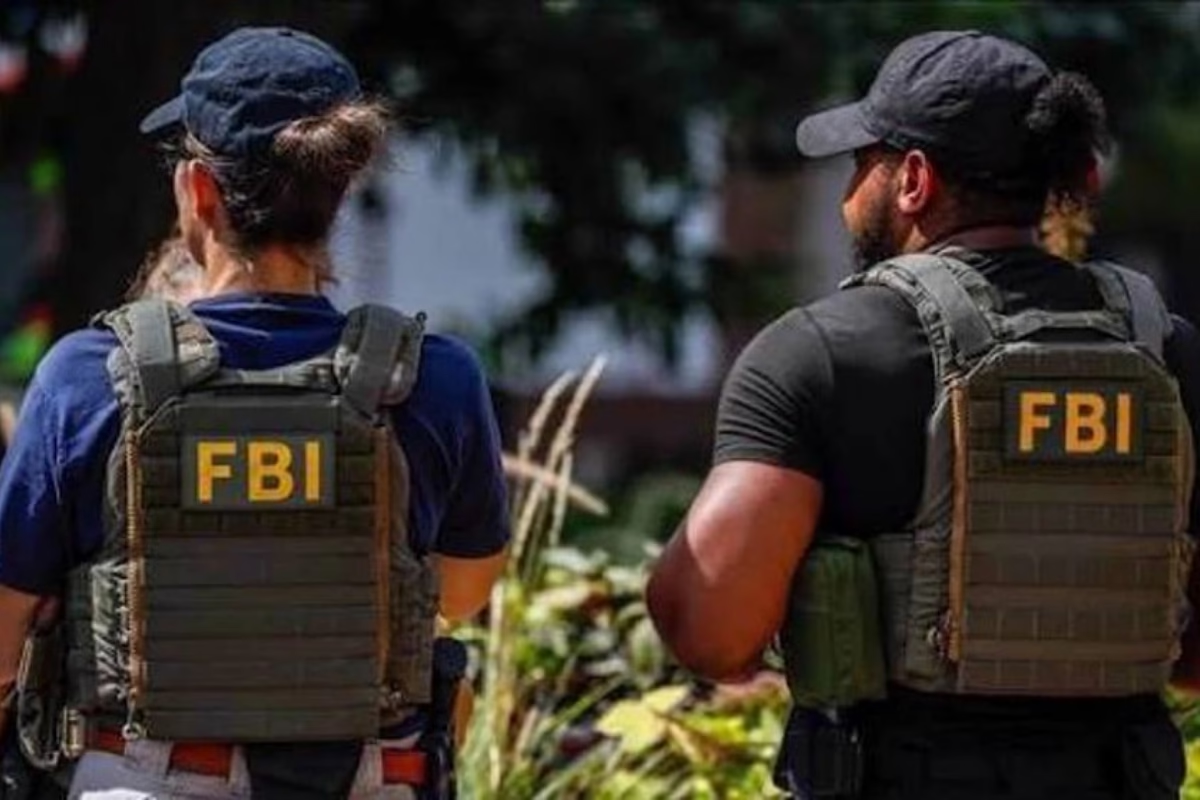
The FBI arrest plot involving a New Jersey man has drawn significant attention due to its serious nature and potential consequences. Authorities revealed that a 26-year-old suspect, Alexander Heifler, was taken into custody for allegedly planning an attack on a prominent pro-Palestinian activist. The case highlights growing concerns around politically motivated violence and the role of law enforcement in preventing such incidents.
According to federal officials, the FBI arrest plot came to light after an undercover investigation uncovered detailed plans to carry out a violent act. Heifler was reportedly preparing to target Nerdeen Kiswani, a well-known activist and co-founder of a pro-Palestinian organization. Investigators stated that the suspect had been planning the attack for weeks, raising alarms about the seriousness of the threat.
The investigation intensified when authorities searched Heifler’s residence in New Jersey. During the search, they discovered eight Molotov cocktails, which are considered highly dangerous improvised weapons. The presence of these devices played a key role in confirming the intentions behind the FBI arrest plot, leading to immediate action by law enforcement agencies.
Officials revealed that the suspect had been communicating with an undercover agent as part of the investigation. During these interactions, Heifler allegedly discussed constructing and using Molotov cocktails, claiming they were for “self-defense.” However, further conversations and meetings suggested otherwise. The undercover agent reportedly met with him multiple times, including a session where the devices were assembled together, providing crucial evidence in the FBI arrest plot case.
Court documents indicate that Heifler had specific plans regarding how the attack would be carried out. Investigators claim that he intended to throw some of the Molotov cocktails at vehicles and at least one directly at the activist’s residence. Such details underscored the level of preparation involved and strengthened the prosecution’s case following the FBI arrest plot revelation.
Authorities also identified Heifler as being associated with a faction of the Jewish Defense League (JDL), an organization that has been classified by the FBI as extremist. While investigations are ongoing, this connection has raised additional concerns about organized elements potentially influencing or encouraging acts of violence. The FBI arrest plot has therefore sparked broader discussions about monitoring extremist activities and preventing radicalization.
The suspect was arrested shortly after the final meeting with the undercover agent, ensuring that the alleged plan was disrupted before it could be executed. Law enforcement agencies, including the FBI and the New York Police Department (NYPD), coordinated closely throughout the operation. Their swift response in the FBI arrest plot case is being seen as a successful example of proactive policing and intelligence work.
Heifler has since appeared in federal court, where he faces serious charges related to the manufacturing and possession of destructive devices. If convicted, he could face up to 20 years in prison. For now, he remains in custody without bond, as authorities consider him a potential threat. The legal proceedings following the FBI arrest plot are expected to shed more light on the details of the case and the extent of the suspect’s plans.
This incident also reflects a wider issue of rising tensions linked to political and international conflicts. Activists on various sides of global issues often become targets of threats or harassment. The FBI arrest plot serves as a reminder of how quickly such tensions can escalate into serious criminal activity if not addressed in time.
Experts emphasize the importance of vigilance and cooperation between communities and law enforcement agencies. Early reporting of suspicious behavior and effective intelligence gathering can play a crucial role in preventing potential attacks. In this case, the use of undercover operations proved instrumental in uncovering the FBI arrest plot before any harm was done.
The FBI arrest plot involving Alexander Heifler highlights the ongoing challenges of ensuring public safety in a complex and often polarized environment. While the situation remains under investigation, the swift action taken by authorities prevented what could have been a dangerous and potentially tragic event. As the case moves forward, it will likely contribute to ongoing discussions about security, extremism, and the protection of individuals involved in activism.


