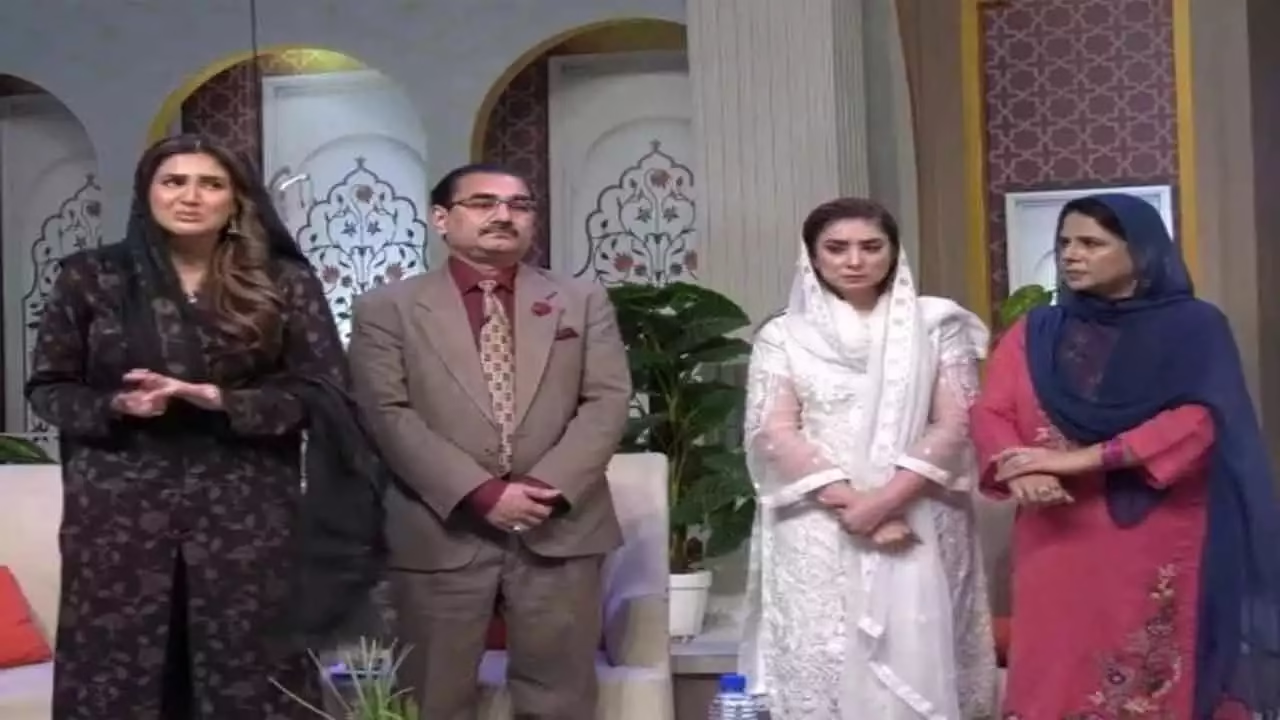
The Fiza Ali Ramadan show controversy has sparked widespread debate on social media after a viral episode featuring Dr. Nabiha Ali Khan discussing her marital issues. The appearance on Fiza Ali’s Ramadan transmission drew mixed reactions, with many viewers questioning whether personal matters should be discussed so openly on television.
As the Fiza Ali Ramadan show controversy gained momentum, it highlighted the fine line between meaningful conversations and public exposure of private struggles. The situation not only triggered criticism but also opened a broader discussion about media responsibility and cultural values.
What Happened on the Show
The Fiza Ali Ramadan show controversy began during the first week of Ramadan when Dr. Nabiha Ali Khan appeared as a guest and spoke about her personal marital problems. The emotional conversation quickly went viral, attracting attention from viewers across Pakistan.
Many social media users criticized the segment, arguing that such sensitive topics should not be turned into public discussions. They felt that the situation was unnecessarily dramatized, making private issues a source of entertainment.
At the same time, some viewers appreciated the honesty of the conversation, saying it gave a platform to real-life struggles that are often ignored.
Fiza Ali’s Response
As the Fiza Ali Ramadan show controversy continued to trend, Fiza Ali addressed the criticism in a later episode of her transmission. She defended her approach, explaining that guests come to her show willingly and share their feelings openly.
According to her, the environment on the show is designed to be supportive and comforting. She emphasized that people often treat her like a family member and feel safe expressing their concerns.
Her response suggested that the intention behind such discussions is not to exploit personal stories but to provide emotional relief and connection.
Defense of Personal Expression
During her clarification, the Fiza Ali Ramadan show controversy took another turn when Fiza Ali spoke about relationships and marital dynamics. She defended Dr. Nabiha Ali Khan and shared her views on the importance of emotional closeness between spouses.
Fiza Ali stated that a healthy relationship should allow comfort and openness, such as spending time together, holding hands, or showing affection. She argued that such behavior should not be criticized, especially when it strengthens the bond between husband and wife.
Her perspective aimed to normalize expressions of affection within marriage, which are sometimes viewed differently in traditional settings.
Disagreement from Other Guests
The Fiza Ali Ramadan show controversy became more complex when other guests on the program disagreed with her views. They argued that while relationships should be strong and respectful, certain social and cultural etiquettes must still be maintained.
According to them, even within family settings, there are boundaries that should not be crossed. Their response reflected a more traditional viewpoint, emphasizing modesty and social norms.
This difference of opinion added depth to the discussion, showing how perspectives on relationships can vary widely within society.
Social Media Reactions
The Fiza Ali Ramadan show controversy quickly spread across social media platforms, where users shared diverse opinions. Some criticized the show for turning personal struggles into public content, while others supported the idea of open dialogue.
A significant number of viewers expressed concern about the impact of such discussions on individuals involved. They questioned whether public exposure could lead to further emotional stress rather than relief.
On the other hand, supporters argued that these conversations help break societal taboos and encourage people to speak about their problems.
Media Responsibility and Boundaries
One of the key takeaways from the Fiza Ali Ramadan show controversy is the ongoing debate about media responsibility. Television programs, especially during Ramadan, are expected to maintain a balance between entertainment, education, and cultural sensitivity.
While sharing real-life stories can create awareness, it also raises questions about privacy and consent. Producers and hosts must carefully consider how such content is presented to avoid misunderstandings or criticism.
This incident highlights the need for clear boundaries when discussing personal matters in public forums.
Cultural Context and Changing Norms
The Fiza Ali Ramadan show controversy also reflects changing cultural dynamics in Pakistan. As society evolves, conversations around relationships, emotions, and personal struggles are becoming more open.
However, traditional values still hold strong influence, leading to differing opinions on what is acceptable in public discourse. This clash between modern expression and cultural norms often results in debates like this one.
Understanding these perspectives is essential for creating content that resonates with a diverse audience.
The Fiza Ali Ramadan show controversy has brought attention to important issues surrounding media ethics, personal boundaries, and cultural values. While the viral episode sparked criticism, it also opened the door for meaningful discussions about relationships and emotional well-being.
Fiza Ali’s response shows her intention to create a supportive space for guests, but the mixed reactions highlight the challenges of addressing sensitive topics on public platforms.
The controversy serves as a reminder that while open conversations are important, they must be handled with care, respect, and awareness of societal expectations.