The government’s Ramadan gas and electricity relief plan has brought a sense of reassurance to millions of Pakistanis preparing for the holy month. With Sehri and Iftar being the most important times of the day during Ramadan, uninterrupted utilities become essential for households across the country. On Wednesday, federal ministers announced comprehensive arrangements to ensure steady gas and electricity supply throughout these crucial hours.
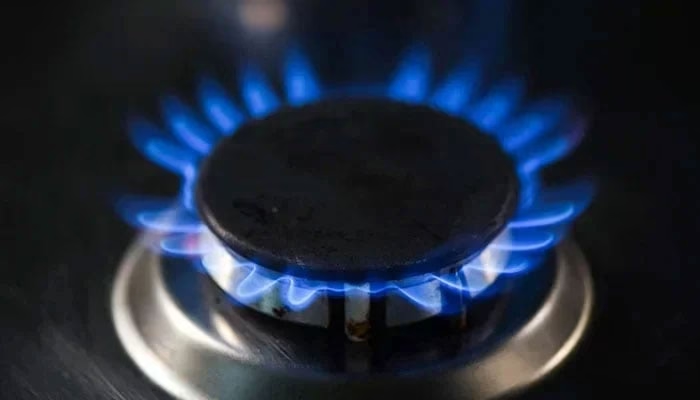
At a joint press conference in Islamabad, Petroleum Minister Ali Pervaiz Malik and Power Minister Awais Leghari outlined the government’s strategy. The plan aims to provide gas at maximum pressure from 3:00am to 10:30pm daily during Ramadan, ensuring smooth cooking and household operations at both Sehri and Iftar times.
Gas Supply Arrangements for Ramadan
Under the Ramadan gas and electricity relief plan, additional gas volumes have been arranged to meet increased demand. Ramadan traditionally sees a spike in domestic gas consumption, particularly during early morning and sunset hours. To handle this, authorities have strengthened monitoring systems and operational controls.
Special “situation rooms” have been set up at the head offices of Sui Northern Gas Pipelines Limited and Sui Southern Gas Company. These control centers will oversee supply levels, respond quickly to complaints, and ensure that gas pressure remains stable, especially in areas located at the tail end of distribution networks.
Officials have instructed regional offices to maintain close supervision of supply lines. According to the Petroleum Division, complaints will be addressed in accordance with regulations set by Oil and Gas Regulatory Authority (OGRA). This means consumers can expect faster response times and better coordination in case of disruptions.
Despite a reported annual decline of up to 10% in national gas reserves, authorities remain confident that supply during Ramadan will remain uninterrupted. However, consumers have been urged to use gas responsibly. The use of compressors, which can reduce pressure for neighboring households, may result in strict legal action.
No Loadshedding During Sehri and Iftar
Electricity availability is equally critical during Ramadan. Recognizing this, the Ramadan gas and electricity relief plan also guarantees no loadshedding during Sehri and Iftar hours. Power Minister Awais Leghari stated that the decision was taken on the special instructions of Prime Minister Shehbaz Sharif to facilitate citizens nationwide.
Even in high-loss or technically sensitive areas, electricity feeders will remain active during these specific hours. This is particularly significant for communities that typically experience frequent power cuts. The government has assured that no scheduled outages will take place at these critical times.
In case of unforeseen technical faults, immediate repair teams will be dispatched to restore power as quickly as possible. A special control room has also been established to monitor electricity feeders across the country and address potential disruptions in real time.
Consumers facing issues with electricity supply have been advised to contact helpline number 118 for prompt assistance.
Why This Plan Matters
For many households, Ramadan preparations begin well before dawn. From cooking meals to managing daily routines, reliable gas and electricity supply directly impact the comfort and spiritual focus of families observing the fast. Interruptions during Sehri or Iftar not only cause inconvenience but can also create stress during a month meant for reflection and devotion.
The Ramadan gas and electricity relief plan reflects the government’s attempt to ease public concerns. Over the years, utility shortages during Ramadan have been a recurring issue, often leading to public complaints. By announcing detailed operational arrangements in advance, authorities are signaling a proactive approach this year.
Challenges Behind the Scenes
While the announcement is reassuring, maintaining consistent supply across Pakistan remains a complex task. Declining gas reserves, aging infrastructure, and rising urban demand present ongoing challenges. Electricity distribution also faces hurdles in areas with technical losses and overloaded feeders.
The success of the Ramadan gas and electricity relief plan will depend largely on effective monitoring, quick response mechanisms, and public cooperation. Responsible energy usage by consumers will play a vital role in ensuring smooth implementation.
Public Responsibility and Cooperation
Officials have emphasized that public cooperation is essential. Avoiding unnecessary gas usage, refraining from illegal compressors, and promptly reporting faults can help maintain stability. Small actions by households can collectively reduce pressure on the system.
At the same time, transparency and accountability from utility providers will be key. Quick complaint resolution and visible enforcement against misuse can build public trust during the holy month.
A Month of Ease and Stability
Ramadan is a time of spiritual renewal, community gatherings, and shared meals. Ensuring uninterrupted utilities during Sehri and Iftar contributes significantly to a peaceful observance of the month. The Ramadan gas and electricity relief plan is designed to minimize disruptions and provide comfort during these special hours.
If implemented effectively, these measures could set a positive precedent for future Ramadan arrangements. For now, millions of Pakistanis will hope that the promised maximum-pressure gas supply and uninterrupted electricity truly deliver the ease and stability they need during this sacred time.