


4
More than one billion Android smartphones are now exposed to elevated cybersecurity risks after Google confirmed that devices running Android 12 or earlier will no longer receive system security updates. That decision effectively leaves a large portion of the global Android ecosystem without critical protection against newly discovered vulnerabilities.
Recent statistics show that about 42.1% of active Android devices are still running unsupported software. Only 57.9% have upgraded to Android 13 or newer — the versions that continue to receive system-level security patches. In practical terms, more than four out of ten Android users are operating phones that could be easier targets for malware, spyware, and advanced exploits.
The root of the issue is Android fragmentation. While Google releases new operating systems and security patches, device manufacturers — such as Samsung, Xiaomi, and Motorola — control how long each model receives updates. Many phones stop getting major support after just a few years. By contrast, Apple centrally controls iOS updates, allowing older iPhones to stay protected longer.
Adoption of the newest Android versions remains slow:
- Android 16: 7.5%
- Android 15: 19.3%
- Android 11: 13.7%
- Android 12: 11.4%
This shows a significant number of users are stuck on aging software despite newer versions being available.
Google says that while Play Protect still scans older devices for known threats, it cannot replace deep system security patches that defend against sophisticated attacks. Security professionals warn that unpatched phones are increasingly vulnerable to risks such as:
- Banking and payment theft
- Message interception
- Unauthorized account access
- Spyware infections
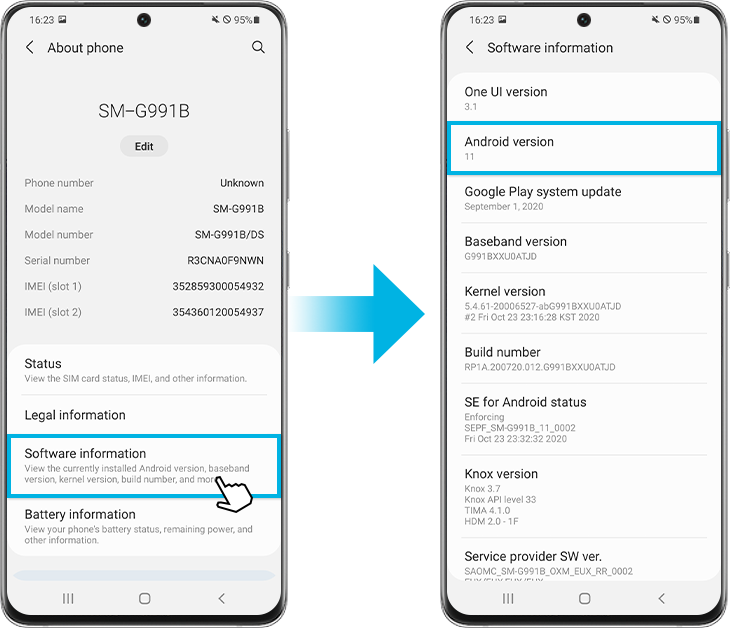
Users are strongly advised to check their Android version in Settings → About phone. If the device cannot upgrade beyond Android 12, experts recommend moving to a newer device — even a modern mid-range model — to restore essential protections.
In short: continuing to use unsupported Android software isn’t just outdated — it’s a growing security gamble.