The Gul Plaza fire inquiry has become a major national demand after Governor Sindh Kamran Tessori formally called for the formation of a judicial inquiry commission to investigate one of Karachi’s deadliest fires in more than a decade. The tragic incident, which occurred on January 17, resulted in massive loss of life and raised serious questions about safety standards, regulatory oversight, and emergency response mechanisms.
In the first days following the disaster, public anger and grief continued to grow as details emerged about how the fire spread rapidly through the shopping complex. Gul Plaza, a well-known commercial hub with around 1,200 family-run shops, was famous for wedding wear, household goods, toys, and crockery. What should have been a place of livelihood turned into a scene of devastation.
Governor Calls for Judicial Oversight
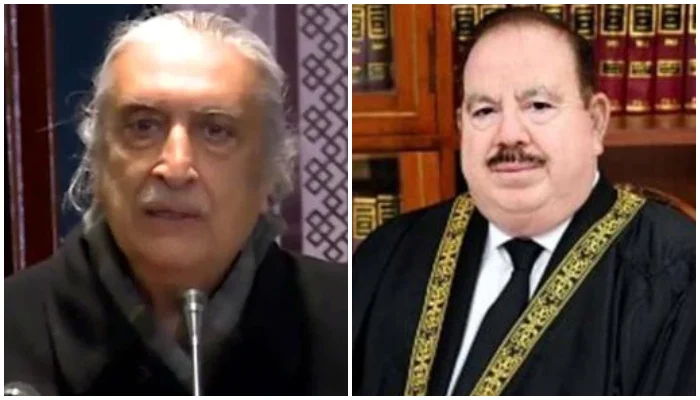
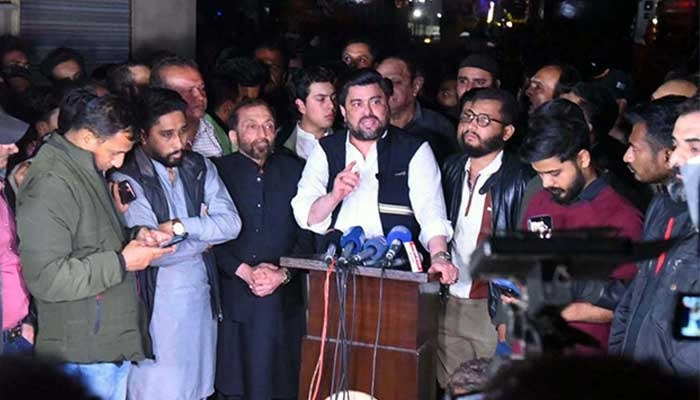
Governor Kamran Tessori, in a letter to Sindh High Court Chief Justice Zafar Ahmed Rajput, stressed that the Gul Plaza fire inquiry must be transparent, independent, and credible. He said the incident involved irreparable loss of human lives and could not be treated as a routine administrative matter.
According to the governor, only a judicially supervised probe can ensure accountability and restore public trust. He emphasized that any individuals or institutions found responsible whether through negligence, regulatory failure, or poor enforcement must be identified and dealt with strictly under the law.
His demand reflects growing public concern that similar tragedies continue to occur due to weak enforcement of building codes and fire safety regulations in major cities.
Scale of the Tragedy Confirmed
The seriousness of the Gul Plaza fire inquiry is underscored by findings from an investigative report prepared by a committee led by Karachi Commissioner Syed Hassan Naqvi. According to sources, the report confirms that at least 79 people lost their lives in the fire, making it one of the worst urban disasters in recent years.
The report, which is expected to be submitted to Chief Minister Murad Ali Shah, provides a detailed timeline of events. The fire reportedly broke out at around 10:15pm on January 17, while the fire brigade was informed at 10:26pm. The first fire tender reached the site at 10:37pm, and Rescue 1122 personnel arrived at 10:53pm.
These timelines have sparked debate over whether faster coordination and preparedness could have reduced the number of casualties.
Cause and Spread of the Fire
Investigators concluded that the fire originated in a flower shop on the ground floor, allegedly triggered by a child. From there, the blaze spread quickly through air-conditioning ducts to other parts of the building. The mezzanine floor suffered the highest number of fatalities, reportedly because smoke and heat became trapped in enclosed areas.
These findings have strengthened calls for the Gul Plaza fire inquiry, as experts point to serious flaws in building design, emergency exits, and fire containment systems. Questions are also being raised about whether Gul Plaza was compliant with fire safety approvals at the time of the incident.
Concerns Over Possible Sabotage
Sindh Home Minister Ziaul Hassan Lanjar stated earlier that concerns regarding possible sabotage or terrorism had been raised, although no clear evidence has yet emerged. He said anti-terror provisions could be added to the FIR if investigations uncover proof supporting such claims.
This angle further highlights why an independent Gul Plaza fire inquiry is seen as essential to rule out speculation, establish facts, and prevent misinformation from spreading.
Sealing and Demolition Plans
After ten days of rescue and search operations, authorities sealed the scorched shopping centre. Sindh Chief Minister Murad Ali Shah later announced that the remaining structure of Gul Plaza would be demolished, with plans to rebuild shops at the site within two years.
While this announcement offers some hope to affected shopkeepers, many families of victims argue that rebuilding alone is not enough. They insist that justice, accountability, and systemic reforms must come first.
A Wake-Up Call for Urban Safety
The Gul Plaza fire inquiry is increasingly being viewed as a test case for Pakistan’s commitment to urban safety and governance. Karachi, like many large cities, has repeatedly witnessed deadly fires in commercial and residential buildings, often followed by short-lived outrage and little long-term reform.
Governor Tessori’s push for judicial scrutiny reflects a broader demand: that tragedies should lead to meaningful change, not just compensation and reconstruction. If conducted seriously, the inquiry could expose long-standing regulatory failures and set a precedent for stricter enforcement of safety laws.
As the nation waits for the response of the Sindh High Court, expectations remain high that the Gul Plaza fire inquiry will bring clarity, accountability, and lessons for the future. For the families who lost loved ones, justice will not erase the pain—but it may help ensure that such a tragedy is not repeated.
This devastating fire has become more than an isolated incident. It is a stark reminder that human lives must never be the price paid for negligence, poor planning, or ignored warnings.