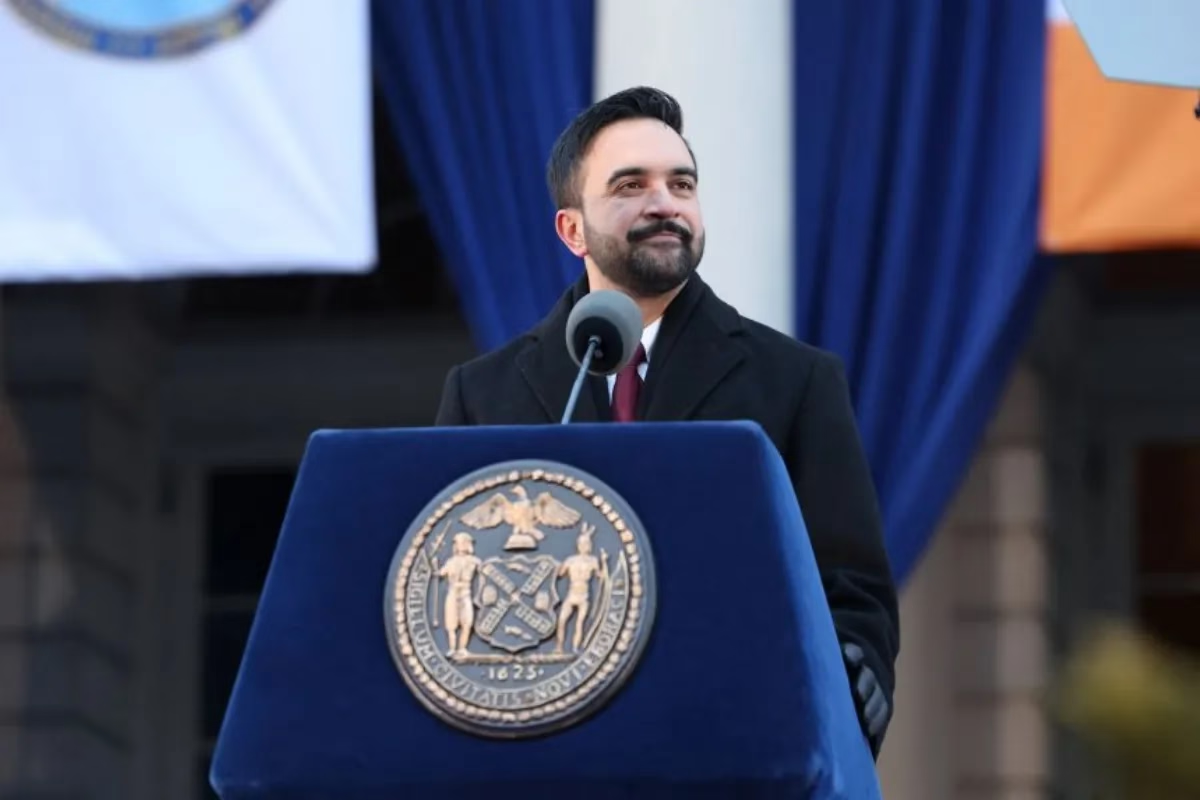
New York City witnessed a dramatic political shift as its new mayor, Zahran Mamdani, overturned a wide range of policies on his very first day in office. These Zahran Mamdani mayor decisions have drawn national attention, signaling a clear break from the administration of former mayor Eric Adams and setting a bold tone for the city’s future governance.
Mayor Mamdani officially revoked all decisions made by Eric Adams after September 26, 2024, the date when Adams was indicted on charges related to bribery and fraud. The move was described by City Hall as a necessary step to restore institutional credibility and ensure that New York City policies reflect transparency and public trust.
A Clean Slate on Day One
The sweeping reversal of policies is one of the most decisive actions taken by a newly elected mayor in recent New York history. According to officials close to the administration, the decision to nullify post-indictment actions was based on legal, ethical, and governance concerns.
Supporters argue that Zahran Mamdani mayor decisions are aimed at removing any policies that may have been influenced by political pressure or compromised judgment during a period of legal uncertainty for the former mayor. Critics, however, have raised concerns about the speed and scale of the reversals, warning of potential administrative disruption.
Revocation of the Anti-Semitism Definition
Among the most controversial Zahran Mamdani mayor decisions was the revocation of New York City’s previously adopted definition of anti-Semitism. That definition had been approved by the Holocaust Memorial Coalition and adopted under Eric Adams’ leadership.
The Mamdani administration clarified that the decision was not intended to minimize or dismiss concerns about anti-Semitism. Instead, officials stated that the definition required broader consultation, legal review, and alignment with constitutional protections before being enforced at the city level.
This move has sparked debate across political and community groups, with some praising the decision as a stand for free speech and others expressing concern about the message it sends at a time of rising hate crimes nationwide.
Legal and Ethical Justifications
City officials emphasized that the reversals are grounded in governance norms. Policies enacted after a mayor is formally indicted often face legal scrutiny, especially if they carry long-term implications for public institutions.
By undoing those measures, Zahran Mamdani mayor decisions aim to protect the city from future legal challenges and restore confidence in municipal leadership. Legal experts note that while such actions are rare, they are not unprecedented during periods of political transition following criminal indictments.
A Clear Political Message
Beyond legal considerations, Mamdani’s first-day actions carry strong political symbolism. They reflect his campaign promises of reform, accountability, and ethical leadership. Voters who supported Mamdani largely expected decisive action, and these early moves suggest he intends to govern with a firm hand.
Political analysts say Zahran Mamdani mayor decisions are designed to differentiate his leadership style from that of his predecessor. Where Adams’ tenure ended in controversy, Mamdani is positioning himself as a reformist focused on transparency and public engagement.
Public Reaction and Division
Public response to the policy reversals has been mixed. Some New Yorkers welcomed the move as a long-overdue reset, arguing that any decisions made under the cloud of indictment should be reconsidered.
Others worry that reversing multiple policies at once could create uncertainty for city agencies and communities affected by those decisions. The debate highlights the challenge Mamdani faces in balancing swift reform with administrative stability.
Despite the criticism, early polling suggests that a significant portion of voters approve of Zahran Mamdani mayor decisions, viewing them as a necessary step toward restoring integrity in city governance.
What Comes Next
Mayor Mamdani has indicated that the revoked policies will be reviewed individually over the coming months. Some may be reintroduced in revised form after public consultation, while others may be permanently discarded.
The administration has also promised to engage community leaders, legal experts, and civil rights organizations to ensure future policies reflect New York City’s diverse population and democratic values.
The first day of Zahran Mamdani’s mayoralty has already reshaped New York’s political landscape. By overturning his predecessor’s post-indictment actions, Mamdani has made it clear that his administration will prioritize accountability and reform.
Whether these Zahran Mamdani mayor decisions lead to long-term stability or continued political debate remains to be seen. What is certain, however, is that New York City has entered a new chapter one defined by decisive leadership and high public expectations.