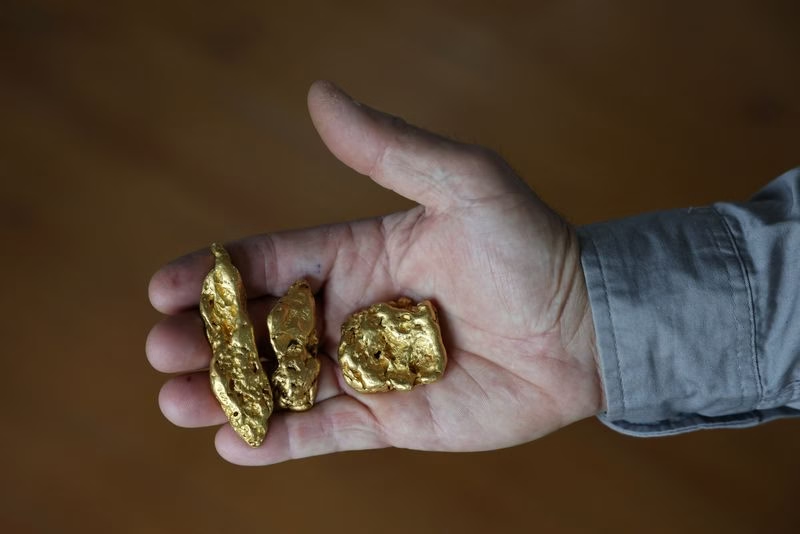
In Australia’s historic goldfields, moments of excitement are becoming increasingly common as hobby prospectors strike small but meaningful finds. For 63-year-old retiree Vicki Plumridge, discovering a tiny gold nugget while testing her new metal detector brought overwhelming joy, even though it was worth only about A$40.
Plumridge uncovered the 0.2-gram nugget near the moss-covered ruins of an old building using a plastic trowel. Although modest in value, she described it as priceless. Her experience reflects a growing trend as enthusiasts flock to Victoria’s 9,600-square-kilometre “golden triangle,” one of the world’s most promising regions for gold nuggets.
Rising gold prices, social media influence, the popularity of the TV show Aussie Gold Hunters, and a love for outdoor adventure are driving renewed interest in prospecting, according to Reuters interviews with gold hunters.
Demand for modern metal detectors has surged. Plumridge’s Minelab Gold Monster 2000, priced at A$2,999, sold out nationwide within weeks of its October launch. Prospecting shop owner and tour guide Leanne Kamp said sales have jumped sharply this year as high gold prices capture public attention. She added that international visitors from countries such as Germany, Switzerland, and the United States are increasingly joining prospecting tours.
Improved detector technology has also boosted enthusiasm, as newer models make it easier to find gold even in areas previously searched.
Victoria’s goldfields are legendary, having produced some of the world’s largest nuggets, including the 72-kilogram Welcome Stranger in the 1860s and the 27.2-kilogram Hand of Faith in 1980. As recently as February 2023, an amateur prospector found a 4.6-kilogram nugget in the region using a detector.
The dream of discovery continues to attract families like construction worker Damian Duke, who now prospects with his son, carrying on a tradition he once shared with his late father.
Gold prices have hit record highs, recently climbing above $4,500 per troy ounce, with analysts predicting further gains. In Victoria, fossickers must obtain a government permit, known as a miner’s right, allowing the use of hand tools and ownership of any gold found. Demand for these permits has reached record levels, with nearly 16,000 issued by November, up from around 11,000 last year.
Beyond the hope of financial reward, prospectors say the activity offers mental health benefits, providing focus, time in nature, and social connection. As one fossicker put it, the joy lies not just in finding gold, but in the simple act of searching.