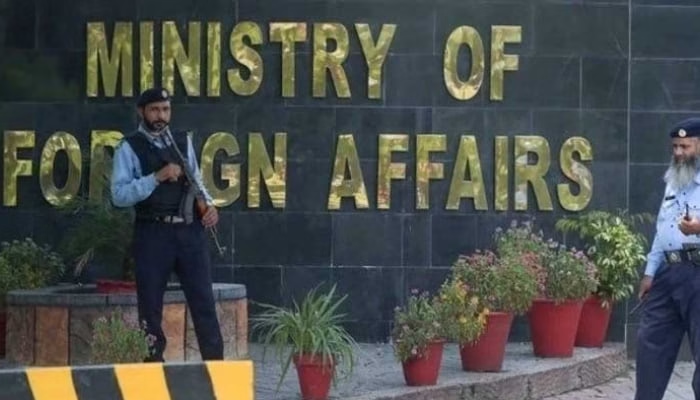
Pakistan UK demarche has become a key diplomatic development after Islamabad formally protested threats made against Chief of Defence Forces (CDF) Field Marshal Asim Munir during a protest held outside the Pakistani consulate in Bradford. The Foreign Office confirmed that a demarche was issued to the United Kingdom’s acting envoy in Islamabad, reflecting Pakistan’s serious concern over the incident and its broader implications for bilateral relations.
According to the Foreign Office spokesperson, the demarche was conveyed to UK Acting Head of Mission Matt Cannell through diplomatic channels. The move followed the circulation of a disturbing video from the protest in which a speaker allegedly issued a direct threat of violence against Field Marshal Munir. Pakistani authorities viewed the remarks as not only provocative but also a clear case of incitement to violence.
Why Pakistan Issued the Demarche
The Pakistan UK demarche was issued after officials determined that the protest crossed the line from political expression into explicit threats. Sources indicated that demonstrators used highly objectionable language and allegedly called for the assassination of the country’s top military leadership. The Pakistani government took strong notice of the fact that such statements were made openly on foreign soil.
Islamabad has consistently maintained that freedom of expression does not extend to incitement of violence or terrorism. In this case, officials argued that the rhetoric used during the protest posed a serious security concern and undermined Pakistan’s internal stability.
Concerns Over Use of UK Territory
A major aspect of the Pakistan UK demarche centers on the use of British territory for activities that Islamabad believes are aimed at destabilising Pakistan. According to official sources, the protest was mobilised using political party-linked social media accounts operating from the United Kingdom.
Pakistani authorities stressed that the alleged threats were not isolated remarks but part of a broader pattern in which overseas platforms are used to encourage unrest within Pakistan. They warned that such actions, if left unchecked, could damage trust between the two countries.
Diplomatic Engagement With the UK
As part of the Pakistan UK demarche, the Foreign Office summoned the UK’s deputy head of mission in the absence of the British high commissioner. During the meeting, Pakistan formally handed over video evidence and transcripts of the statements made at the protest.
The Pakistani side expressed “grave concern” and urged British authorities to investigate the matter under their domestic laws. Officials emphasized that the incident involved explicit calls for violence rather than political criticism, making it a serious legal and diplomatic issue.
UK’s Response and Legal Process
In response, a spokesperson for the British High Commission reiterated that law enforcement agencies in the UK operate independently of the government. The spokesperson noted that any material believed to violate UK law should be shared with the appropriate police authorities for review.
This response highlights a key aspect of the Pakistan UK demarche: while Islamabad expects action, enforcement ultimately depends on UK legal procedures. Nevertheless, Pakistan hopes that British authorities will take the matter seriously and hold those responsible accountable.
Impact on Bilateral Relations
The Pakistan UK demarche underscores ongoing sensitivities in bilateral relations, particularly around security and political activism by overseas groups. Pakistan has previously raised concerns about individuals and networks abroad allegedly promoting militancy or violent agitation against the state.
Officials noted that while such issues have surfaced in the past, the current incident represents a more serious escalation because it involved open threats against a senior military leader. This, they argue, goes beyond political dissent and enters the realm of criminal conduct.
Freedom of Expression vs. Incitement
One of the central themes highlighted through the Pakistan UK demarche is the distinction between free speech and incitement to violence. Pakistani officials stressed that political activism cannot justify calls for assassination or civil unrest.
They also emphasized that political asylum or residence abroad does not grant immunity to promote violence against another country. This principle, they argue, is fundamental to international law and mutual respect between states.
The Pakistan UK demarche reflects Islamabad’s expectation that its concerns will be addressed seriously by British authorities. While the outcome will depend on investigations and legal reviews in the UK, Pakistan has made its position clear: threats of violence, regardless of where they originate, are unacceptable.
As both countries navigate this sensitive issue, the incident serves as a reminder of the responsibilities that come with political expression abroad. For Pakistan, the demarche is not just a protest, but a call for cooperation to ensure that foreign soil is not misused for activities that threaten peace, security, and bilateral trust.