
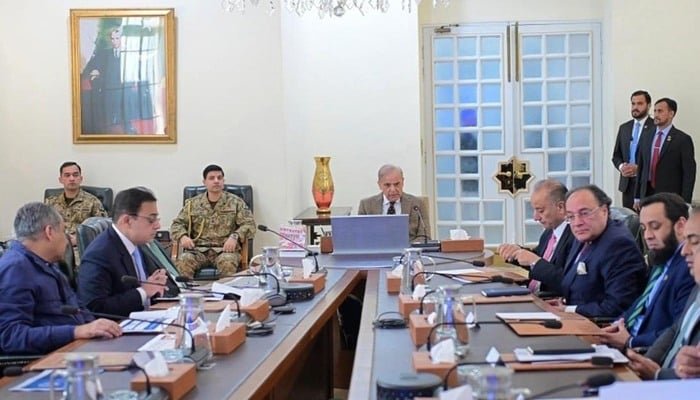
Prime Minister Shehbaz Sharif has directed authorities to accelerate NCCIA restructuring to establish a modern and effective institution capable of addressing Pakistan’s growing cybercrime challenges. The proposed reforms aim to strengthen the National Cyber Crime Investigation Agency through artificial intelligence, advanced technology and the recruitment of skilled professionals.
Chairing a meeting on Wednesday to review the agency’s future structure and performance, the prime minister said protecting citizens from cybercrime was among the government’s priorities. He stressed that the country’s cybercrime prevention and investigation system must evolve in line with modern technological requirements.
The directives signal the government’s intention to improve the agency’s operational capacity and address the growing demands of digital security and online crime investigations.
PM Directs Recruitment of IT and AI Experts
During the meeting, Shehbaz Sharif instructed the relevant authorities to deploy specialists from the information technology and artificial intelligence sectors at the NCCIA and its subordinate offices.
He emphasised that the agency needed qualified professionals with the technical knowledge required to investigate increasingly complex cybercrimes.
The prime minister also directed officials to ensure that recruitment was conducted strictly on merit. He called for the selection of the best available human resources to improve the institution’s professional capabilities.
Under the proposed NCCIA restructuring plan, modern technology and AI are expected to play an important role in improving investigative processes and strengthening the agency’s overall performance.
Shehbaz Sharif also instructed officials to utilise all available resources to resolve pending cybercrime cases. Addressing the backlog is among the important objectives of the proposed reforms, as delays in investigations can affect victims seeking justice and allow cybercriminal activities to continue.
Committee Formed to Review Reform Proposals
To examine the recommendations presented during the meeting, the prime minister ordered the formation of a special committee comprising four federal ministers.
The committee includes:
- Mohsin Naqvi, Federal Minister for Interior
- Azam Nazeer Tarar, Federal Minister for Law and Justice
- Muhammad Aurangzeb, Federal Minister for Finance
- Shaza Fatima Khawaja, Federal Minister for Information Technology
Shehbaz Sharif directed the committee to review the proposed changes and submit its recommendations by the end of the current week.
The committee will examine the reform proposals and help determine the future direction of the agency. Its recommendations are expected to guide the government’s decisions regarding administrative changes, staffing requirements and the adoption of modern technology.
The prime minister’s deadline indicates that the government wants the restructuring proposals reviewed without unnecessary delays.
Proposal to Establish Pakistan Cyber Police
One of the major proposals discussed during the meeting was the possibility of transforming the NCCIA into a national-level institution called Pakistan Cyber Police.
According to the briefing, the proposed organisation would recruit highly qualified professionals on merit to strengthen the country’s ability to prevent and investigate cybercrime.
The idea reflects a broader effort to develop a specialised law enforcement structure focused on digital offences and national cyber security.
However, the proposal remains under consideration and has not been confirmed as an approved organisational change. The committee’s recommendations and the government’s subsequent decisions will help determine whether the agency will be transformed into the proposed Pakistan Cyber Police.
If implemented, the plan could represent a significant change in how cybercrime investigations are organised and managed across the country.
National Cybercrime System and Security Measures Reviewed
The meeting also reviewed the NCCIA’s existing performance, administrative structure and future course of action.
Officials briefed participants that a specialised system for national security concerning cybercrimes had become operational. They added that all possible measures were being taken under the current arrangements to resolve pending cases.
The discussion focused on identifying areas where administrative improvements, technical resources and specialised expertise could strengthen the agency’s work.
The proposed NCCIA restructuring is intended to address these requirements by modernising investigative capabilities and improving the institution’s ability to respond to digital threats.
As online services and digital communication become increasingly important, cybercrime investigations require specialised knowledge and appropriate technological resources. The government’s emphasis on AI and IT professionals reflects the need to build these capabilities within the institution.
Senior Ministers Attend NCCIA Reform Meeting
Several federal ministers and senior government officials attended the meeting to discuss the agency’s performance and proposed reforms.
Those present included Federal Ministers Azam Nazeer Tarar, Musadik Masood Malik, Ahad Khan Cheema, Muhammad Aurangzeb and Syed Mohsin Raza Naqvi.
Minister of State for Interior Talal Chaudhry and Minister of State for Finance Bilal Azhar Kayani also attended, alongside senior officers from relevant departments.
Their participation highlighted the involvement of multiple government departments in the proposed institutional changes.
What the Reforms Could Mean for Cybercrime Investigations
The government’s plans could help strengthen Pakistan’s response to online fraud, digital offences and other forms of cybercrime by improving investigative resources and professional expertise.
The immediate priorities include reviewing the proposed organisational structure, recruiting qualified specialists, introducing modern technology and addressing pending cases.
However, the effectiveness of the reforms will depend on their implementation, the availability of resources and the ability to build a skilled workforce.
The government is awaiting recommendations from the ministerial committee. Its findings will provide a clearer picture of the proposed changes and whether the NCCIA will eventually become Pakistan Cyber Police.