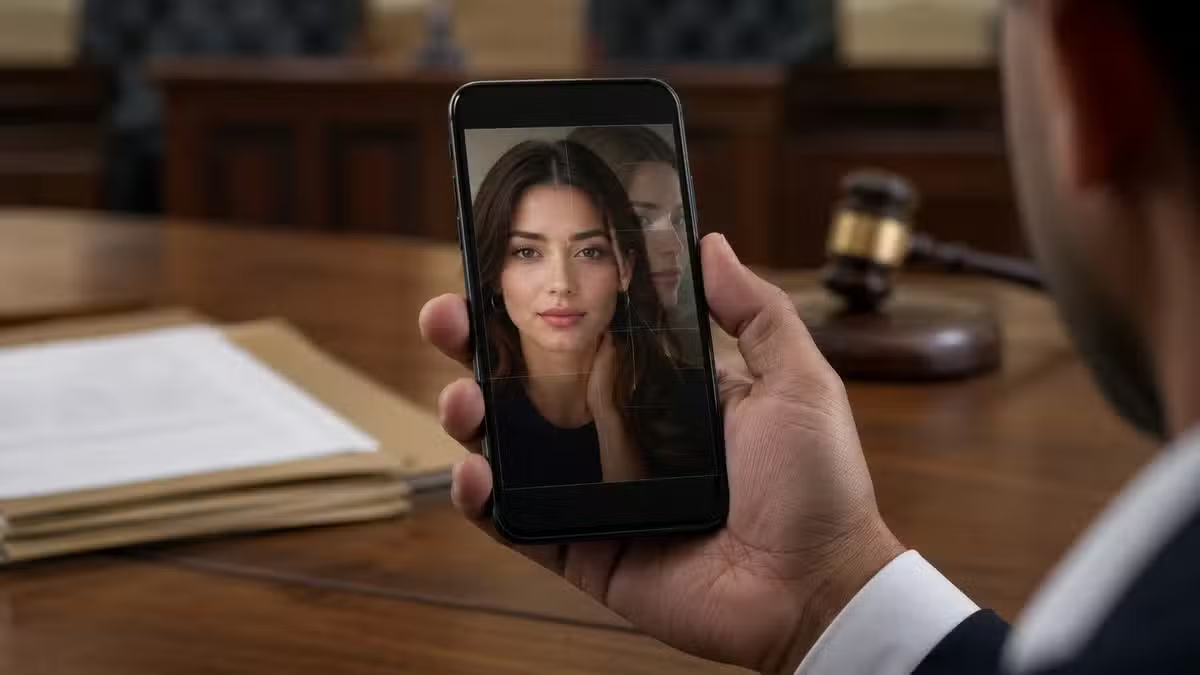
The growing use of AI-generated fonts and artificial intelligence in digital content has created a new challenge for writers, artists and independent creators. Even ordinary design choices, including typography, are now attracting suspicion from online audiences who believe certain visual styles make content look AI-generated.
Independent author T.M. Kirk recently experienced this reaction after sharing a post on Instagram. According to Kirk, her publication did not carry any indication that artificial intelligence had been used, yet commenters accused her of making the content look as though it had been created by AI.
The incident highlights a growing problem for independent creators: as artificial intelligence becomes more common in advertising, publishing and graphic design, audiences are increasingly questioning how digital content is produced.
Why Are Certain Fonts Being Associated With AI?
Artificial intelligence tools such as ChatGPT and Claude have made it faster and cheaper to produce written material, graphics and promotional content. Image generators can also create posters, advertisements and social media designs that previously required professional design software and considerable manual effort.
However, these tools have introduced visual patterns that audiences are beginning to associate with AI-generated material.
When an image generator creates lettering as part of a picture, it produces text as pixels rather than using an actual editable typeface. Although modern image generators have improved considerably, their lettering can still contain small inconsistencies.
These may include uneven spacing, unusual letter shapes and subtle differences in how individual characters appear.
Such details can make text look slightly unnatural, even when it resembles a familiar font. As a result, viewers may begin associating particular typography styles with artificial intelligence.
Inter and Road Rage Among Fonts Drawing Attention
Some AI-generated lettering has been compared to Inter, a widely recognised typeface used in digital interfaces and graphic design.
Another style attracting attention is bold, slanted brush lettering commonly seen in dramatic advertisements, promotional posters and event flyers.
This lettering has drawn comparisons to Road Rage, a brush-style typeface frequently associated with energetic promotional designs.
Designer Ramin Nasibov highlighted the style in a November 2 social media post, using lettering that displayed the words “Comic Sans” in a similar visual treatment.
However, the use of these fonts does not automatically indicate that artificial intelligence created an image.
Human designers have used such styles for years in advertisements, posters and social media graphics. Their growing association with AI demonstrates how quickly familiar design choices can become controversial when audiences start looking for signs of automated content.
The Growing Backlash Against AI-Generated Content
The debate over typography is part of a wider discussion about the increasing presence of artificial intelligence in creative industries.
Some consumers have criticised businesses for using AI-generated advertising and other promotional material, describing low-quality automated content as “AI slop.”
This criticism has even prompted calls to boycott companies that rely heavily on AI-generated material in their marketing campaigns.
For independent artists and small businesses, the situation creates additional pressure. They may face criticism not because their work was generated by AI, but because it resembles visual styles commonly produced by automated tools.
The problem is particularly challenging because there is no reliable way to determine how an image was created simply by examining its font.
As AI tools become more sophisticated, the differences between human-designed and AI-generated graphics may become increasingly difficult to identify.
Writers and Artists Are Changing Their Creative Habits
The growing suspicion surrounding AI has extended beyond typography.
Some writers have reported concerns about ordinary writing characteristics, including the use of em dashes and certain frequently used words such as “delve.”
In response, some creators say they are changing their writing habits, using more casual language, avoiding particular expressions or even leaving occasional typing mistakes in their work to make it appear more human.
Artists and designers are also taking steps to demonstrate that their work is original.
Some have started sharing early sketches, saved design layers and time-lapse recordings to show how their projects developed. These materials can provide audiences with a better understanding of the creative process.
However, even these methods have limitations. Artificial intelligence can now generate videos that imitate time-lapse footage, making it harder to use visual evidence as definitive proof of human involvement.
Could Font Choices Affect Independent Creators?
For small businesses, independent authors and freelance designers, the growing association between certain typefaces and AI could create an unexpected challenge.
Creators often select fonts based on readability, visual appeal and the message they want to communicate. They should not have to avoid an otherwise suitable typeface simply because some viewers associate it with artificial intelligence.
Nevertheless, some designers say they are already avoiding fonts and lettering styles that attract negative attention.
This could gradually influence design trends, particularly among creators who depend on social media engagement and public perception to promote their work.
The risk is that ordinary creative decisions may increasingly be judged through assumptions about AI rather than the quality or originality of the final product.
Better AI Detection Requires More Than Visual Clues
As image generators continue improving their ability to produce clean and consistent lettering, typography alone is likely to become an even less reliable way of identifying AI-generated content.
A particular font, punctuation mark or writing style cannot establish whether a person or an AI system created something.
The experience of creators such as T.M. Kirk highlights the importance of judging digital work more carefully instead of making assumptions based on familiar visual patterns.
Artificial intelligence is changing how creative content is produced, but human designers still use the same fonts, styles and techniques that existed long before these tools became popular.
For independent creators, the challenge is no longer simply producing original work. It is also convincing audiences that ordinary creative choices should not automatically be treated as evidence of AI involvement.