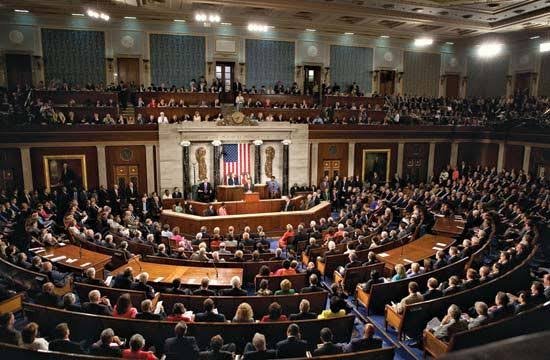
The 2028 US presidential race is already attracting attention following the 2026 midterm elections, with prominent politicians from both major parties positioning themselves for a possible campaign to succeed President Donald Trump. Although the election is still two years away, several Democratic and Republican figures are emerging as potential contenders, while internal debates over party strategy could shape the next presidential contest.
Neither party has selected its nominee, and no major candidate has formally launched a presidential campaign. However, the midterm results have encouraged political leaders and potential candidates to consider their next moves. According to Reuters, Democrats could face a particularly crowded nomination contest, with dozens of politicians potentially interested in competing.
Democrats Face a Crowded Presidential Field
The Democratic Party has several recognisable political figures who could seek the party’s presidential nomination in 2028.
Former Vice President Kamala Harris, California Governor Gavin Newsom, Kentucky Governor Andy Beshear, former Transportation Secretary Pete Buttigieg and Congresswoman Alexandria Ocasio-Cortez are among the names being discussed.
Each represents a different political profile and could bring a distinct approach to the campaign. Harris has national election experience, Newsom has built a prominent profile through his leadership in California, while Buttigieg has previously competed in the Democratic presidential primaries.
Beshear could appeal to voters interested in candidates with experience governing a Republican-leaning state. Ocasio-Cortez, meanwhile, represents the progressive wing of the Democratic Party and has a strong national following.
Despite the number of potential contenders, no single Democrat has established an uncontested position as the party’s nominee-in-waiting. The field could expand further as politicians assess fundraising opportunities, voter support and the political environment.
Democrats Debate Moderate and Progressive Policies
One of the biggest challenges for Democrats ahead of the 2028 US presidential race is deciding which political direction could help the party build a winning national coalition.
Some Democrats believe the party should adopt a more moderate approach, focusing on economic concerns, employment, healthcare costs and issues that appeal to independent voters.
Others argue that the party should strengthen its progressive agenda, emphasising economic inequality, affordable housing, healthcare access and reforms to government institutions.
The disagreement reflects a broader debate about the lessons Democrats should draw from recent elections. Potential candidates may use the coming months to distinguish themselves by explaining how they would address voters’ concerns and rebuild support across different states.
The eventual nominee will need to unite different sections of the party before facing the Republican candidate in the general election.
JD Vance and Marco Rubio Emerge as Republican Possibilities
On the Republican side, Vice President JD Vance and Secretary of State Marco Rubio are among the most widely discussed potential successors to Trump.
Vance is closely associated with Trump’s political movement and could seek to maintain support among voters who identify with the MAGA agenda. His position as vice president also gives him a national political profile.
However, Vance has not formally announced a presidential campaign. He has also referred to family commitments as a consideration when discussing his political future.
Rubio is another prominent Republican figure whose name has been linked to the next presidential contest. His experience in the Senate and as secretary of state gives him a national platform, although he has previously indicated that he has no current intention of entering the race.
Florida Governor Ron DeSantis and Texas Senator Ted Cruz are also among the Republicans being discussed as possible candidates.
Republicans Face Challenge of Maintaining Trump’s Coalition
The Republican Party will face its own strategic questions during the 2028 US presidential race.
A major consideration will be how the party maintains support from Trump’s MAGA movement while attracting voters beyond its traditional political base.
Potential candidates may need to balance conservative policy priorities with broader concerns involving the economy, immigration, international relations and the cost of living.
Vance and other possible contenders will also have to consider how closely they associate themselves with Trump’s political record and how they respond to criticism of the administration.
The party’s eventual nominee will need to establish an identity of their own while addressing the expectations of Republican voters.
No Official Candidates Have Entered the Race
Despite growing speculation, the 2028 presidential contest remains in its early stages. Reuters reported on November 5 that no major candidate had formally entered the race, although several politicians had spent months building national profiles, cultivating donors and visiting states with early nominating contests.
The midterm elections have provided both parties with an opportunity to assess their political strengths and weaknesses. The results could influence fundraising, campaign strategies and the decisions of politicians considering a presidential bid.
What to Expect Before the 2028 Election
The coming year is likely to bring more public discussion about potential candidates, policy priorities and party leadership. Politicians will have opportunities to test their messages, build support and decide whether to pursue the nomination.
The 2028 US presidential race could ultimately feature a competitive Democratic primary and a significant Republican contest over who should lead the party after Trump.
For now, Harris, Newsom, Beshear, Buttigieg and Ocasio-Cortez remain among the Democratic possibilities, while Vance, Rubio, DeSantis and Cruz are prominent Republican names.
The final candidate lists, however, remain uncertain. Much will depend on political developments, public support and the decisions potential contenders make as the presidential election approaches.