
The Pakistan Tehreek-e-Insaf (PTI) parliamentary party in Khyber Pakhtunkhwa has expressed support for PTI KP negotiations with the federal government, seeking a political solution to the ongoing provincial crisis. Party members believe dialogue could help secure the withdrawal of governor’s rule and the state of emergency imposed in the province. The development signals a preference among provincial lawmakers for negotiations rather than street protests as tensions between the federal government and PTI continue.
More Than 40 Lawmakers Attend Online Meeting
According to sources cited by Geo News, the PTI provincial parliamentary party held an online meeting on Friday, attended by more than 40 lawmakers.
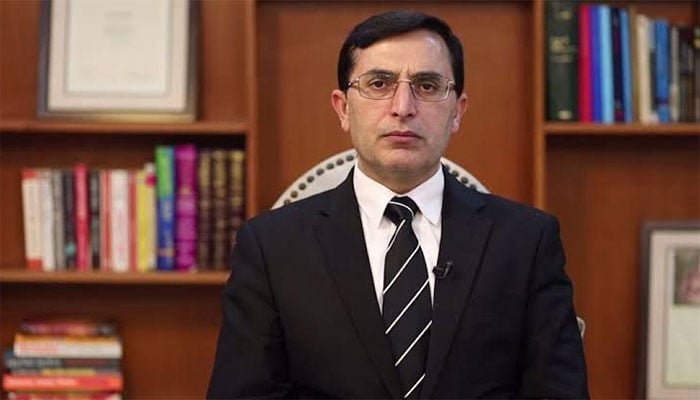
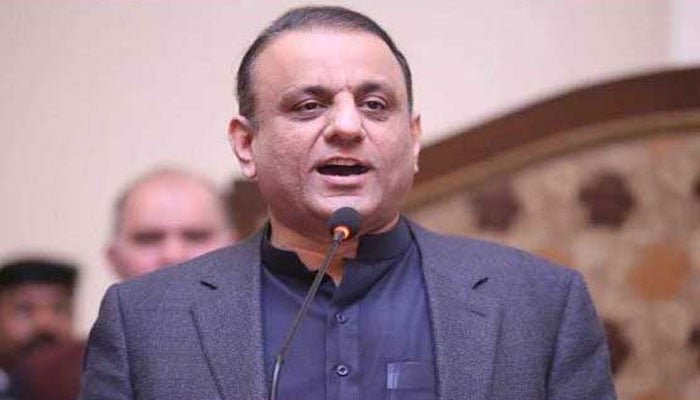
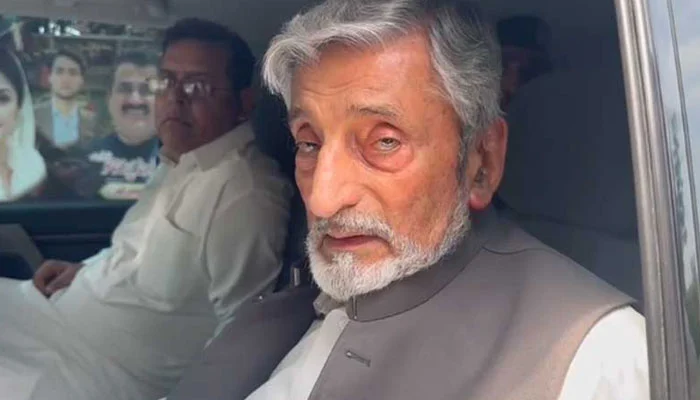
Former chief minister Ali Amin Gandapur participated in the meeting, alongside PTI Chairman Barrister Gohar Ali Khan and Noor-ul-Haq Qadri.
During the discussion, members considered negotiations with the federal government necessary to address the political situation and create conditions for withdrawing governor’s rule and the emergency.
The lawmakers maintained that the party’s mandate should be restored following the removal of these measures. They also discussed how provincial representatives could participate in the negotiation process to ensure that the concerns of KP lawmakers were properly presented.
The meeting reflects an effort within the provincial parliamentary party to develop a collective position on the political crisis.
Ali Amin Gandapur’s Possible Role in Negotiations
One of the important points discussed during the meeting was the possible inclusion of Ali Amin Gandapur in the consultation process.
According to sources, some lawmakers argued that Gandapur should be involved because of his experience and previous position as chief minister of Khyber Pakhtunkhwa. They believed that including a provincial parliamentary party representative would help ensure that negotiations proceed through mutual consultation.
PTI Chairman Barrister Gohar reportedly informed participants that a majority of the party’s lawmakers in the National Assembly also supported talks with the federal government.
His remarks indicated that support for dialogue was not limited to the provincial parliamentary group.
The proposed role of Gandapur could become an important part of the party’s negotiating strategy, although the final composition and responsibilities of any delegation would need to be agreed upon by PTI leadership.
Shaukat Yousafzai Calls for Reducing Political Tensions
PTI leader Shaukat Yousafzai also supported negotiations and urged the federal government to take steps towards reducing political tensions.
Speaking about the situation, Yousafzai said the government should withdraw governor’s rule and the emergency to create an environment for resolving the dispute.
He also supported the proposal to include Gandapur in the negotiations, saying there should be no objection if the parliamentary party selected him as its representative.
Yousafzai described Gandapur as a longstanding and loyal companion of PTI founder Imran Khan.
His comments reinforced the position expressed during the parliamentary meeting that provincial lawmakers should have a meaningful role in discussions with the federal government.
PTI Lawmakers Prefer Dialogue Over Street Protests
Another significant development from the meeting was the parliamentary party’s support for not immediately calling workers onto the streets following the imposition of governor’s rule and the emergency.
According to sources, members believed that large-scale protests could create further difficulties for the party. They reportedly expressed concern that demonstrations might lead to incidents similar to those witnessed on May 9.
The decision suggests that at least some provincial lawmakers consider negotiations a more suitable approach under the current circumstances.
Yousafzai also distanced PTI from remarks made against state institutions, saying that if individuals had issued such statements, the party was not responsible for them.
This position highlights the importance some party members are placing on avoiding further confrontation while seeking a political solution.
Governor’s Rule and Emergency Remain Central Issues
The withdrawal of governor’s rule and the emergency remains the central demand behind the proposed PTI KP negotiations.
The federal government imposed the measures in October, taking over provincial administrative responsibilities. The decision followed growing political and security tensions in Khyber Pakhtunkhwa.
PTI has opposed the move and maintained that the provincial government’s mandate should be restored. The party has also pursued legal and political options to challenge the measures.
For the provincial parliamentary party, negotiations could provide an opportunity to discuss the restoration of elected provincial governance and address disagreements with the federal authorities.
However, reaching an understanding will require both sides to address their positions and agree on a practical way forward.
Electoral Reforms Not Discussed
Despite the wider political developments, sources said the provincial meeting did not specifically discuss the proposed electoral reforms committee or the Pakistan Peoples Party’s offer to the opposition to participate in it.
The matter is reportedly being handled at the federal parliamentary level rather than through the KP parliamentary group.
This distinction suggests that PTI is addressing different political issues through separate consultation channels, with the provincial party focusing primarily on governor’s rule and the emergency.
The latest meeting has strengthened the indication that PTI’s provincial lawmakers are prepared to support dialogue with the federal government.
The next step will depend on whether the party leadership finalises a negotiating team, decides on Gandapur’s participation and establishes the issues to be discussed.
The PTI KP negotiations could provide an opportunity to reduce political tensions and create a path towards restoring provincial governance. However, progress will depend on the federal government’s response and the willingness of both sides to reach an understanding.
The parliamentary party’s position points towards dialogue as a preferred way to address the dispute, while the withdrawal of governor’s rule and the emergency remains its main objective.