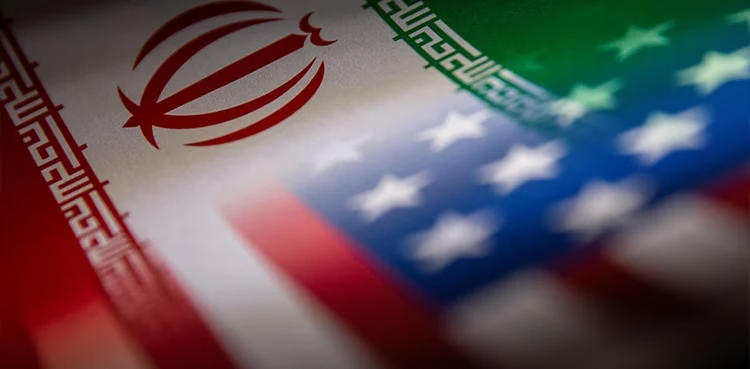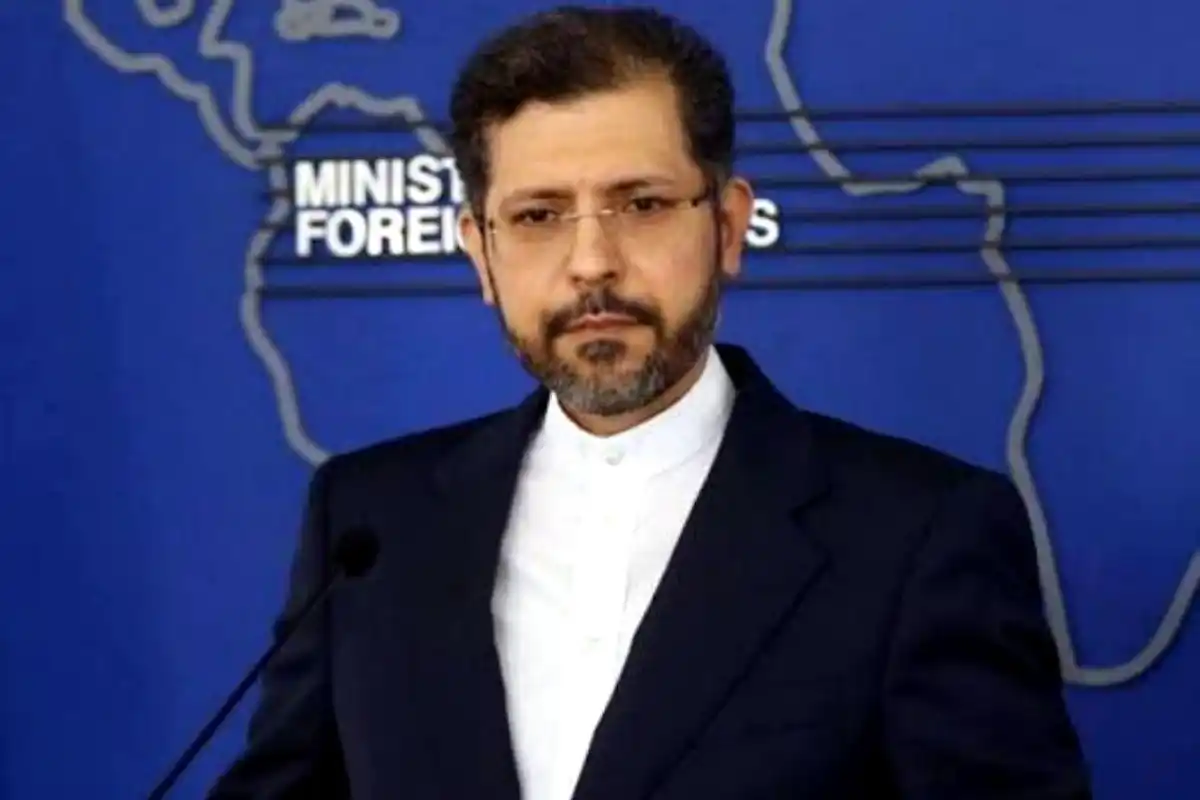
The latest Iran US deal discussions have reached a critical stage, with Iranian Deputy Foreign Minister Saeed Khatibzadeh saying that the decision on whether an agreement can now be reached rests with the United States. Speaking to Russia-1 television, Khatibzadeh said Tehran had already provided its initial response to Washington’s latest position and had communicated its proposals through mediators, including Qatar and Pakistan.
Iran Responds Through Mediators
Khatibzadeh said Iran had been pursuing diplomacy despite deep disagreements with Washington. According to the Iranian official, Tehran submitted its proposals through Qatar and Pakistan after receiving a response from the US side.
He said Iran had recently communicated its initial reaction to the American response through the Qatari mediation channel. The comments indicate that indirect communication remains an important part of the diplomatic process between the two countries.
The Iranian position comes as regional mediators continue efforts to reduce tensions and establish conditions for further negotiations. Qatar and Pakistan have both played roles in carrying messages between Tehran and Washington during the current crisis.
Tehran Says It Does Not Trust Washington
A major obstacle to any Iran US deal remains the lack of trust between the two governments.
Khatibzadeh said Tehran has many reasons not to trust the current US administration and is seeking concrete guarantees before committing to a wider agreement. Iranian officials have repeatedly emphasized that future arrangements must include mechanisms that provide confidence that commitments will be implemented.
The demand for guarantees is particularly important for Tehran because Iranian officials have pointed to previous agreements and commitments that they say were not sustained. Khatibzadeh said Iran nevertheless wants to continue pursuing a diplomatic solution.
The Iranian diplomat also said Tehran was maintaining its defensive readiness while continuing diplomatic efforts, reflecting the tension between negotiations and preparations for other possible scenarios.
Conditions for Ending the Conflict
Iran’s proposals reportedly include several measures that Tehran wants the United States to implement before further steps are taken.
Among the key demands are concrete guarantees for ending hostilities on all fronts, the release of frozen Iranian assets and an end to the naval blockade. Iran has also sought the easing or removal of restrictions affecting its oil exports as part of the broader diplomatic framework.
These demands form part of what Iranian officials have described as a seven-day initiative. Under the proposal, Washington would first implement the measures requested by Tehran. Iran would then move toward reopening the Strait of Hormuz and restarting negotiations on a broader agreement.
Strait of Hormuz Becomes Central Issue
The Strait of Hormuz has become one of the most important elements of the Iran US deal discussions because of its importance to international shipping and energy markets.
Khatibzadeh said Iran could reopen the waterway if the United States fulfills all of its commitments. The proposal therefore links the status of the strategic maritime route to progress on the diplomatic track.
Iran has previously connected the reopening of the strait with measures such as ending hostilities, easing restrictions, releasing frozen assets and lifting the naval blockade.
The waterway is particularly significant because large volumes of oil and liquefied natural gas normally pass through it. Recent reporting indicates that shipping through Hormuz has increased, although security concerns and elevated transportation costs remain.
Pakistan and Qatar Continue Mediation
Pakistan and Qatar have emerged as important intermediaries in the diplomatic efforts surrounding the Iran US deal.
Earlier mediation efforts included a joint proposal from Islamabad and Doha that called for the two sides to return to their previous positions, alongside measures including reopening the Strait of Hormuz and ending restrictions affecting Iranian ports and oil exports.
More recently, Qatar has continued passing messages between Washington and Tehran, while Pakistan has remained involved in regional diplomatic efforts.
The involvement of third countries gives both Washington and Tehran channels for communication without requiring direct negotiations at every stage.
Khatibzadeh’s comments suggest that Tehran believes it has already presented its position and is waiting for Washington’s response.
However, reaching a final Iran US deal remains dependent on several unresolved issues. The two sides continue to differ over the sequence of steps, guarantees, sanctions and the conditions surrounding the Strait of Hormuz.
Recent reports indicate that mediators are attempting to bridge these differences, with proposals focusing on reducing tensions around the waterway and creating a framework for broader negotiations.
For Iran, guarantees and economic relief remain central demands. For the United States, the broader negotiations have also involved questions surrounding sanctions and Iran’s nuclear programme. These differences mean that further diplomatic engagement will be necessary before any comprehensive settlement can be confirmed.
Tehran says it has delivered its response and proposals through intermediaries. Khatibzadeh’s message places the next major decision with Washington, while mediators continue working to keep the diplomatic channel open.
The coming days could therefore be important for determining whether the Iran US deal discussions move toward a new agreement or remain stalled over the competing demands of both sides.