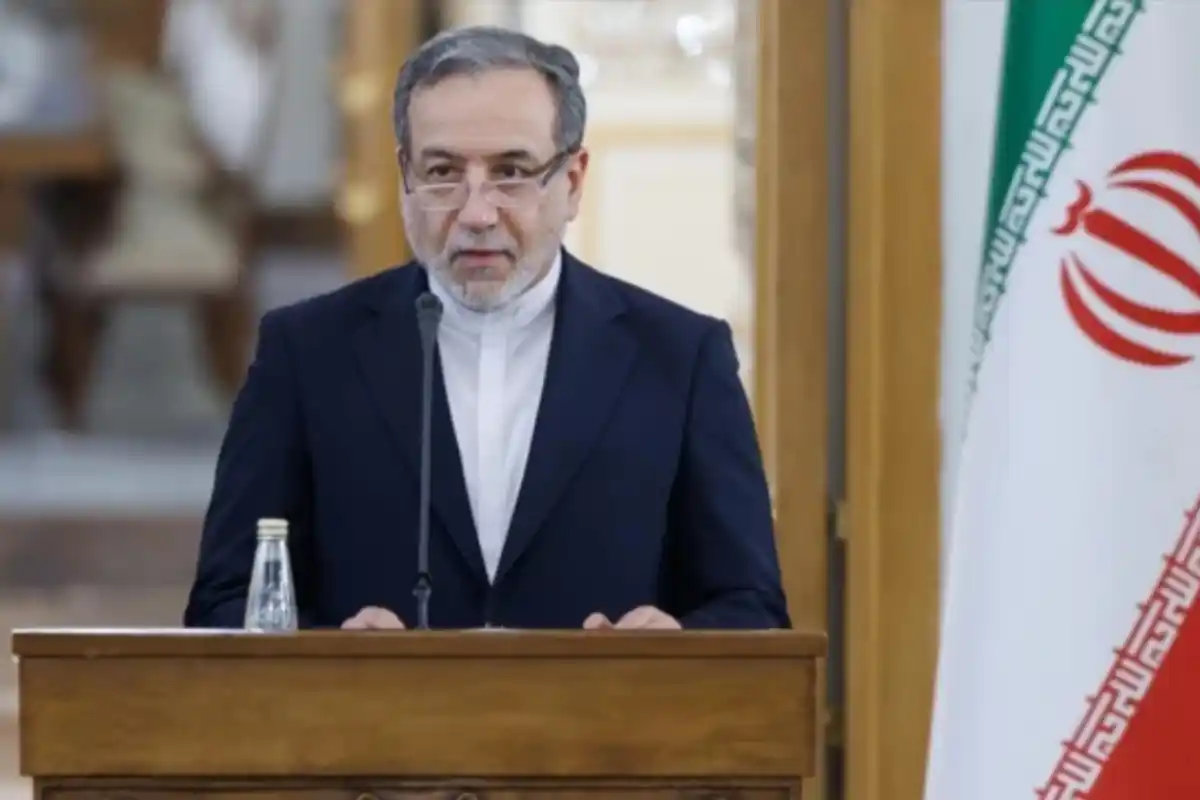
Iranian Foreign Minister Abbas Araghchi has used his arrival in New York for the 81st United Nations General Assembly to deliver sharp criticism of the world body. His Araghchi UN criticism focused on what he described as the United Nations’ failure to effectively protect international peace and security, arguing that this has weakened confidence in the organisation.
Araghchi arrived in New York as Iran continues to face heightened tensions following its conflict with the United States and Israel. Speaking to reporters, he said Iran was attending the General Assembly under circumstances that, in Tehran’s view, still amounted to an ongoing state of war.
Iran Plans to Present Its Position
Araghchi said Iran’s delegation would use the UN platform to present what Tehran considers the rights and interests of the Iranian people. He also said the General Assembly would provide an opportunity for Iran to explain its position on major international issues.
The Iranian foreign minister argued that the UN’s inability to prevent or effectively respond to international conflicts had damaged its credibility. According to his remarks, declining confidence in international institutions is now an important issue for the global community.
His comments come as the 81st UN General Assembly brings world leaders and senior officials together in New York from September 18 to 28. The UN has said the high-level week is intended to strengthen global cooperation and advance discussions on peace, development, dignity and equality.
Criticism of International Institutions
A major part of the Araghchi UN criticism was directed at what he described as unequal treatment under the international system.
He argued that some countries act as though they are above international law and international institutions, while their allies receive protection from accountability. These comments reflect Tehran’s broader criticism of how international rules are applied during major conflicts.
Araghchi also criticised Western and European governments, accusing countries that publicly support human rights and international law of remaining silent over what Iran considers serious developments in the region.
The claims represent the Iranian government’s position and come amid sharply different interpretations of responsibility for the ongoing conflict.
UN Confidence Becomes a Central Issue
Araghchi connected his remarks to the wider discussion surrounding trust in international institutions. The UN itself has placed renewed cooperation and confidence in multilateral institutions among the central themes of this year’s General Assembly.
The foreign minister said the current international environment had raised serious questions about whether the UN was able to fulfil its responsibility for maintaining global peace and security.
The Araghchi UN criticism therefore goes beyond a dispute involving Iran alone. It reflects a wider debate over the effectiveness of international organisations during periods of war and geopolitical tension.
UN Secretary-General António Guterres has also called for stronger international cooperation while addressing conflicts and other global challenges during the General Assembly. In his latest address, he urged countries to work together and stressed the importance of functioning multilateral institutions.
Araghchi Speaks With Guterres
Following his arrival in New York, Araghchi held a telephone conversation with UN Secretary-General António Guterres.
Iranian state media reported that the two officials discussed the agenda of the General Assembly as well as international peace and security.
The conversation is significant because Araghchi’s public criticism of the UN came alongside direct diplomatic engagement with its secretary-general. While the foreign minister questioned the organisation’s effectiveness, Iran continues to use the UN as an important forum for presenting its views to the international community.
Diplomacy Under Pressure
The Araghchi UN criticism comes at a particularly sensitive moment for international diplomacy. The General Assembly is taking place while countries continue diplomatic contacts over the conflict involving Iran, the United States and Israel.
US officials have indicated that Washington remains open to discussions with Iranian representatives, although no specific meeting between US and Iranian officials had been scheduled at the time of Araghchi’s arrival.
Iran, meanwhile, has continued using diplomatic channels to communicate with regional and international partners. Before travelling to New York, Araghchi also held discussions with Pakistani officials over regional developments, with both sides agreeing to maintain contact and cooperate on issues including regional stability and energy security.
A Test for the UN
Araghchi’s remarks have placed the issue of international confidence firmly within Iran’s diplomatic messaging at the General Assembly. His criticism suggests Tehran intends to use the gathering not only to defend its own position but also to challenge what it sees as weaknesses in the existing international system.
Whether the Araghchi UN criticism leads to broader debate about reform remains to be seen. For now, his statements highlight the difficult environment facing the United Nations as governments attempt to address ongoing conflicts while maintaining international cooperation.
With diplomats gathering in New York and communication channels remaining active, the General Assembly is once again serving as a major platform for competing views on war, international law, accountability and the future of multilateral diplomacy.