Rising LPG prices in Pakistan are forcing tea cafes across Karachi to rethink how they run their businesses. With fuel costs climbing and intense competition making it difficult to increase tea prices, many small cafe owners have started switching from liquefied petroleum gas (LPG) to coal in an effort to control expenses.
LPG Costs Put Pressure on Tea Cafes
Tea cafes are among the small businesses most sensitive to fuel prices because preparing large quantities of tea requires a constant supply of energy. Owners in areas including Gulistan-e-Johar, North Karachi, Federal B Area and Gulshan-e-Iqbal say the recent increase in LPG prices has significantly raised their daily operating costs.
For many businesses, passing those higher costs on to customers is not an easy option. Karachi’s tea market is highly competitive, and customers can quickly move to another cafe if prices rise too sharply.
Abdul Raheem, a cafe owner in Gulshan-e-Iqbal, said the continued increase in LPG costs had made it increasingly difficult to sustain his business. His cafe subsequently returned to coal, which he considers a more affordable fuel.
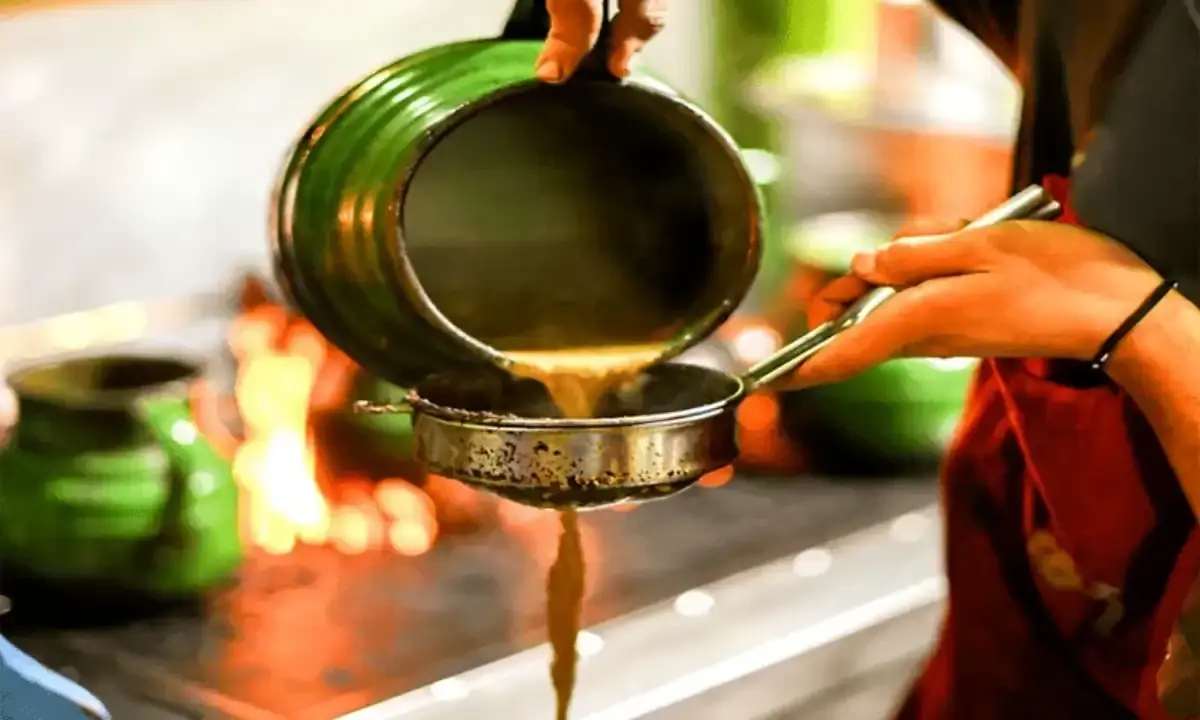
The change is not entirely unfamiliar. Coal-fired tea preparation was once common at roadside cafes and traditional tea shops. However, the recent increase in energy expenses has turned the older method into a practical cost-cutting strategy.
Why Cafes Are Switching to Coal
The difference in fuel costs is one of the strongest reasons behind the shift. Raheem said a 40-kilogram LPG cylinder costs around Rs14,000 and lasts approximately five days. By comparison, a similar quantity of coal costs about Rs5,000.
According to his estimate, the switch can save his business roughly Rs54,000 per month in fuel expenses. For a small cafe operating on narrow profit margins, such savings can make a significant difference.
Some cafe owners also say customers appreciate the distinctive taste associated with tea prepared over coal. This has made the transition somewhat easier because businesses are not necessarily sacrificing customer demand by changing their cooking fuel.
However, the decision is primarily financial. With LPG prices in Pakistan remaining volatile, cafe owners want a fuel source that gives them greater control over their operating expenses.
August LPG Price Increase
The latest price increase has added to the pressure on small businesses. The Oil and Gas Regulatory Authority raised the official LPG price for August 2026 by Rs12.89 per kilogram.
The price was set at Rs254,315.35 per tonne, while an 11.8kg domestic cylinder was priced at around Rs3,000.92. In July, the corresponding cylinder price was approximately Rs2,848.91.
Although the official domestic-cylinder rate differs from the commercial prices reported by cafe operators, the broader increase illustrates the pressure facing businesses that rely heavily on LPG.
Cafe owners say the problem is compounded by concerns about LPG availability. Limited access to filling stations in some parts of Karachi can make sourcing fuel more difficult, adding another layer of uncertainty to daily operations.
Competition Limits Price Increases
Another major challenge is the inability of cafes to simply increase the price of tea.
Rahmatullah, a tea cafe owner in Karachi’s Buffer Zone, said intense competition prevents many businesses from passing higher fuel costs directly to consumers. As a result, reducing operating expenses becomes one of the few options available to protect profitability.
This situation is particularly difficult for small businesses because they generally have limited cash reserves. Unlike large companies, they cannot easily absorb prolonged increases in fuel and raw-material costs.
Energy expert Usama Khan said fuel is a major variable cost for businesses such as tea stalls, tandoors, dhabas and small bakeries. When energy expenses rise faster than menu prices, owners are left with shrinking profit margins.
Global Factors Add to Local Pressure
The recent increase in LPG prices is also linked to wider developments in international energy markets. Disruptions and security concerns surrounding regional shipping routes, particularly the Strait of Hormuz, have increased uncertainty in energy markets.
Pakistan remains vulnerable to international energy shocks because a substantial portion of its energy requirements depends on imports. Changes in global oil and gas prices can therefore eventually affect businesses and consumers at the local level.
LPG distributors also argue that international developments are not the only reason for higher prices. Irfan Khokhar, chairman of the LPG Distributors Association, has pointed to black marketing, inadequate LPG filling infrastructure and problems with the country’s pricing mechanism.
A Wider Energy Challenge
The return to coal among Karachi tea cafes highlights a larger issue facing Pakistan’s small businesses: energy costs can quickly affect profitability, employment and consumer prices.
While coal offers immediate savings for some cafe owners, its increased use can also raise environmental and air-quality concerns, particularly in a densely populated city. This makes the situation more complicated than simply choosing the cheapest fuel.
In the longer term, experts argue that Pakistan needs to reduce its dependence on imported energy and develop more reliable domestic alternatives. Greater use of local resources and investment in cleaner energy could help businesses become less exposed to international price shocks.
However, LPG prices in Pakistan are forcing Karachi’s tea cafes to make difficult choices. For owners struggling to survive amid rising costs and fierce competition, switching back to coal has become less a matter of tradition and more a strategy for keeping their businesses alive.