The Islamabad Memorandum has emerged as an important diplomatic framework in ongoing efforts to reduce tensions surrounding the Iran nuclear issue and promote regional stability. Pakistan has reaffirmed its support for the agreement, urging all parties to honor their commitments and continue dialogue rather than allowing disputes to derail the negotiation process. According to Pakistani officials, diplomacy remains the most effective path toward resolving complex regional challenges and preventing further escalation.
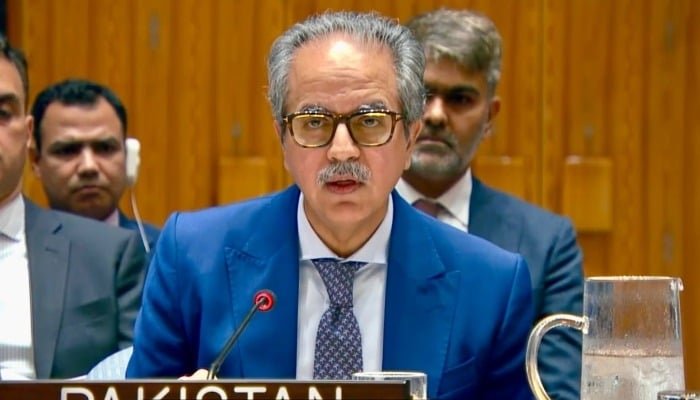
Speaking at a United Nations briefing on the implementation of Security Council Resolution 2231, Pakistan’s Permanent Representative to the UN, Ambassador Asim Iftikhar Ahmad, emphasized that the recent rise in regional tensions serves no country’s interests. He stressed that maintaining peace requires patience, cooperation, and a willingness to resolve disagreements through diplomatic channels instead of confrontation.
Pakistan expressed concern that renewed hostilities could undermine the progress achieved through previous negotiations. The country called on all stakeholders to exercise restraint and avoid actions that could further destabilize an already sensitive region. Officials highlighted that continued dialogue is essential for reducing mistrust and building confidence among all parties involved.
The Islamabad Memorandum was presented by Pakistan as a practical roadmap for addressing unresolved issues through peaceful negotiations. The agreement is viewed as a framework that encourages constructive engagement while creating opportunities for mutually acceptable solutions. Pakistani diplomats believe that preserving this diplomatic process is essential for long-term regional peace and international security.
One of the central messages delivered by Pakistan at the United Nations was that there is no substitute for diplomacy. Negotiations, dialogue, and sustained engagement remain the only realistic options for resolving disputes as complex as the Iran nuclear issue. Diplomatic efforts may require time and compromise, but they provide a far more stable and sustainable solution than military confrontation.
Pakistan also emphasized the importance of preventing misunderstandings during sensitive negotiations. Public statements, political rhetoric, and actions taken without careful consideration can quickly increase tensions and make productive discussions more difficult. By encouraging responsible communication, Pakistan hopes to create an environment where meaningful negotiations can continue without unnecessary obstacles.
The Islamabad Memorandum also represents Pakistan’s broader commitment to promoting peace through international cooperation. As an active member of the global diplomatic community, Pakistan has consistently supported initiatives that encourage dialogue, conflict resolution, and regional stability. Its position reflects the belief that lasting peace can only be achieved when countries remain committed to communication and mutual respect.
Regional stability carries significant importance beyond political considerations. Peaceful relations contribute to stronger economic growth, improved trade opportunities, greater investment, and enhanced energy security. Continued instability, on the other hand, creates uncertainty that affects businesses, financial markets, transportation routes, and the daily lives of millions of people across the region.
Pakistan has therefore encouraged all parties to continue implementing the principles outlined in the Islamabad Memorandum. Officials believe that honoring previous commitments helps maintain trust between negotiating partners and creates momentum for future agreements. Every successful diplomatic step strengthens confidence that peaceful solutions remain achievable despite ongoing challenges.
Another key aspect of Pakistan’s message focused on collective responsibility. Regional security cannot depend solely on the actions of one country. Instead, all stakeholders must demonstrate flexibility, patience, and a shared commitment to peaceful conflict resolution. Constructive diplomacy requires continuous engagement from every party involved in the negotiations.
Pakistan also acknowledged the progress already made through expert-level discussions held under the framework of the memorandum. While many important issues remain unresolved, officials expressed optimism that continued dialogue can produce meaningful outcomes. Maintaining this positive momentum is considered essential for preventing future crises and strengthening regional cooperation.
The international community closely follows developments related to the Iran nuclear issue because of their wider implications for global peace and security. Any escalation has the potential to affect international trade, energy supplies, and diplomatic relations far beyond the Middle East. This makes continued negotiations even more important for maintaining global stability.
The Islamabad Memorandum provides an opportunity for all parties to move beyond confrontation and focus on practical solutions. Diplomatic agreements are rarely achieved overnight, but steady progress through negotiation often produces more durable outcomes than short-term political or military actions. Pakistan’s support for the memorandum reflects its long-standing preference for dialogue over conflict.
Pakistan has pledged to continue supporting diplomatic initiatives that encourage peaceful engagement and mutual understanding. By working with international partners and promoting constructive discussions, the country aims to contribute to a more stable and secure region. The success of these efforts will depend on the willingness of all parties to remain committed to negotiation, fulfill their obligations, and prioritize peace over confrontation. Preserving the Islamabad Memorandum and advancing its objectives can help create a stronger foundation for regional cooperation, long-term stability, and sustainable international peace.