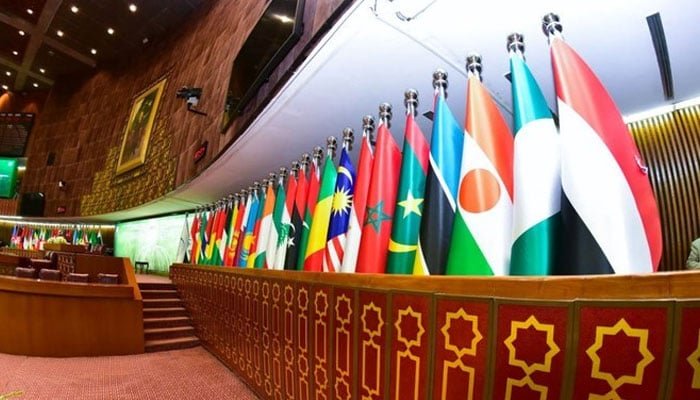
The OIC Women Conference has officially begun in Islamabad, bringing together ministers, policymakers, and international representatives from across the Muslim world to discuss the future of women’s empowerment. Held on July 12–13, the ninth ministerial conference serves as an important platform for member states to exchange ideas, strengthen cooperation, and identify practical solutions for improving the socio-economic and political status of women in OIC countries.
Hosted under the theme, “Socio-Economic and Political Empowerment of Women in the OIC Countries: Challenges and Way Forward,” the conference reflects the shared commitment of participating nations to creating more inclusive societies. Delegates include ministers responsible for women and family affairs, senior government officials, representatives of OIC institutions, international organizations, and development partners working toward gender equality and sustainable development.
Pakistan’s role as the host nation highlights its commitment to supporting regional dialogue and cooperation on issues related to women’s rights and development. The arrival of international delegations in Islamabad marks the beginning of two days of discussions focused on addressing common challenges while exploring opportunities for collaboration among member states.
The visiting delegates received a warm welcome at Islamabad International Airport from senior government representatives, including officials from the Ministry of Human Rights, the Ministry of Foreign Affairs, and the Ministry of Law and Justice. Their reception reflects Pakistan’s tradition of hospitality and its determination to ensure the success of this important diplomatic event.
A major highlight of the OIC Women Conference is Pakistan’s assumption of the conference chairmanship. Federal Minister for Law, Justice and Human Rights Senator Azam Nazeer Tarar will lead the proceedings on behalf of the country. As chair, Pakistan will guide discussions, encourage cooperation among member states, and help build consensus on policies aimed at advancing women’s empowerment throughout the Muslim world.
The conference agenda covers several key areas affecting women across OIC member countries. These include increasing women’s participation in education, improving access to healthcare, expanding economic opportunities, supporting entrepreneurship, and promoting greater representation in political and public life. Delegates are expected to exchange successful policy experiences and discuss strategies that have produced positive outcomes in their respective countries.
Women’s economic participation remains one of the central topics of discussion. Many OIC member states are working to remove barriers that limit women’s access to employment, financial services, and business opportunities. By sharing best practices and innovative approaches, participating countries hope to accelerate progress toward more inclusive economic growth that benefits families and national economies alike.
Education also plays a critical role in the discussions. Quality education provides women and girls with the knowledge and skills needed to contribute effectively to society. Many delegates are expected to highlight successful educational initiatives that promote equal learning opportunities while preparing women for leadership roles in various sectors.
Political empowerment is another important focus of the OIC Women Conference. Increasing women’s representation in decision-making positions strengthens democratic institutions and ensures that diverse perspectives are reflected in public policies. Member states continue to explore practical ways to encourage women’s participation in governance while respecting their unique cultural and social contexts.
The conference also provides an opportunity to strengthen cooperation among OIC member countries. Many of the challenges facing women, including access to education, healthcare, employment, and leadership opportunities, are shared across the Muslim world. Through collaboration and knowledge sharing, member states can develop more effective solutions that address these common concerns.
Pakistan’s hosting of the conference also reinforces its active role within the Organisation of Islamic Cooperation. By facilitating meaningful dialogue among member states, the country contributes to regional partnerships that promote peace, development, and social progress. International conferences of this nature also enhance diplomatic engagement while encouraging long-term cooperation on issues of mutual interest.
Beyond official meetings, the conference creates valuable networking opportunities for policymakers, experts, and development organizations. These interactions often lead to future partnerships, joint initiatives, and the exchange of technical expertise that can support women’s development programs across OIC countries.
The OIC Women Conference is expected to conclude with a renewed commitment to advancing policies that support women’s rights, dignity, and equal opportunities. The discussions held in Islamabad will help shape future cooperation among member states while encouraging practical actions that improve the lives of millions of women across the Islamic world.
As delegates continue their meetings, the conference serves as a reminder that empowering women is essential for sustainable development, economic prosperity, and stronger communities. By working together and sharing successful experiences, OIC member states can create lasting progress that benefits future generations. Pakistan’s successful hosting of this important gathering further demonstrates its commitment to international cooperation and its support for initiatives that promote inclusive growth, mutual understanding, and the meaningful empowerment of women throughout the Muslim world.