The FIFA refereeing controversy surrounding Argentina’s dramatic 3-2 victory over Egypt in the FIFA World Cup has sparked heated discussions among football fans worldwide. Following Egypt’s elimination from the tournament, FIFA’s head of refereeing, Pierluigi Collina, firmly rejected allegations that match officials showed favoritism toward Argentina. His response aimed to defend the integrity of World Cup referees while addressing criticism from Egypt’s coaching staff.
Egypt’s Complaints After World Cup Exit
Egypt’s round-of-16 defeat against Argentina quickly became one of the tournament’s most talked-about matches. While Argentina secured a thrilling comeback victory, Egypt believed several refereeing decisions significantly influenced the outcome.
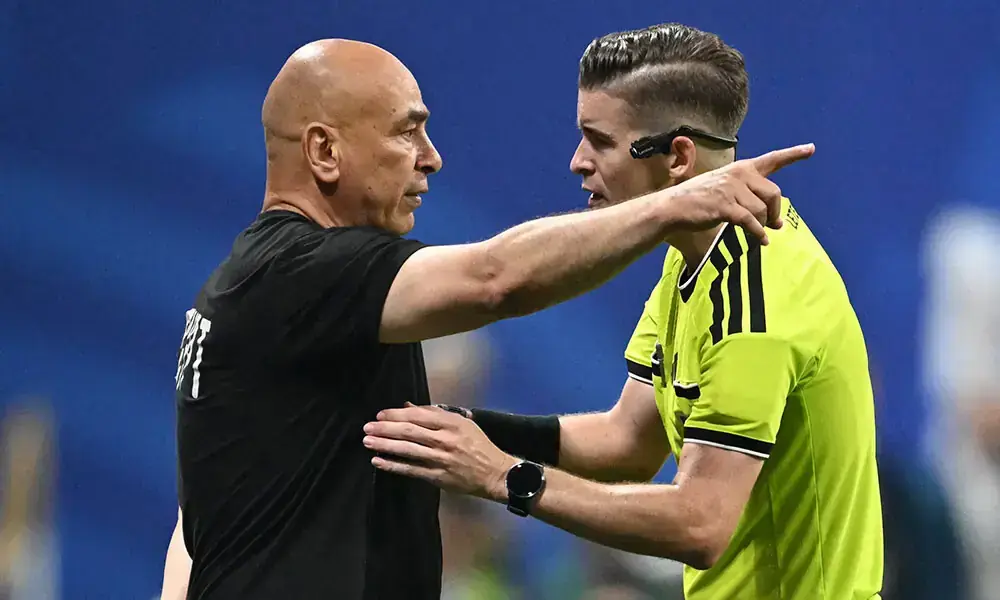
Head coach Hossam Hassan expressed his frustration after the match, claiming his team had suffered unfair treatment. He argued that crucial decisions prevented Egypt from advancing and questioned whether outside influences had affected the officiating.
These remarks immediately fueled debate across social media and sports platforms, bringing the FIFA refereeing controversy into the spotlight.
Why Egypt Objected to the Decisions
The biggest source of controversy came when Egypt had a goal disallowed through the Video Assistant Referee (VAR) system.
Mostafa Zico appeared to have given Egypt a commanding lead after scoring an impressive goal. However, after reviewing the sequence, VAR identified a foul committed earlier in the attacking move.
Following the review, French referee François Letexier overturned the goal.
Later in the match, Argentina mounted a comeback to win 3-2, leaving Egypt convinced that the officiating decisions had dramatically changed the course of the game.
Pierluigi Collina Responds
As criticism intensified, FIFA’s refereeing chief Pierluigi Collina publicly defended the officials.
He strongly rejected accusations suggesting referees were influenced to favor Argentina or protect the defending world champions.
According to Collina, every referee selected for the FIFA World Cup is chosen based on professionalism, experience, and integrity.
He emphasized that questioning the honesty of match officials without evidence damages both football and the individuals responsible for enforcing the rules.
FIFA Rejects Claims of Bias
Addressing the FIFA refereeing controversy, Collina stressed that constructive discussion about refereeing decisions is acceptable, but unsupported accusations have no place in football.
He noted that such allegations often expose referees and even their families to abuse and threats, creating unnecessary pressure on officials who are simply performing their duties.
Collina also made it clear that FIFA’s refereeing department operates independently and is not influenced by external figures, including FIFA President Gianni Infantino.
According to him, every decision is made solely based on the Laws of the Game.
Understanding the VAR Decision
One of the key questions raised after the match involved how VAR determined that an earlier foul should cancel Egypt’s goal.
Collina explained that VAR reviews the entire attacking phase leading to a goal.
If an infringement occurs during that sequence and directly contributes to the goal, the referee has the authority to overturn the decision after reviewing the footage.
Importantly, there is no specific time limit or distance restriction regarding when the foul occurred.
If officials believe the earlier incident affected the scoring opportunity, VAR intervention remains justified regardless of how much play followed afterward.
Egypt Maintains Its Position
Despite FIFA’s explanation, Egypt’s coaching staff remained dissatisfied.
Coach Hossam Hassan argued that his team had been treated unfairly throughout the match.
He suggested that football sometimes involves factors beyond technical performance and claimed the defending champions appeared to receive favorable treatment.
His comments generated strong reactions from supporters, with many Egyptian fans demanding further investigation into the officiating.
However, FIFA has firmly dismissed these claims.
Protecting Referees From Abuse
Another important issue highlighted by Collina was the growing hostility directed at referees.
Modern football officials frequently face criticism both online and offline after controversial decisions.
Collina warned that baseless accusations can encourage harassment and threats toward referees and their families.
He called for greater respect for officials, reminding fans that referees, like players and coaches, are human and may occasionally make mistakes despite their best efforts.
According to FIFA, maintaining trust in officiating is essential for protecting the integrity of international football.
VAR Continues to Divide Opinion
Since its introduction, VAR has transformed football by helping officials review difficult decisions.
Supporters argue that it reduces human error and improves fairness.
Critics, however, believe lengthy reviews interrupt the flow of matches and sometimes create even greater controversy due to subjective interpretations.
The Argentina-Egypt match has once again demonstrated that while technology provides additional support, it cannot eliminate disagreements over football decisions.
Instead, VAR often shifts debates from the field to interpretation of the rules.
What This Means for Future World Cups
The FIFA refereeing controversy highlights the ongoing challenge of balancing technology, referee authority, and public expectations.
FIFA continues refining VAR protocols while investing heavily in referee education and training to improve consistency.
Collina’s strong defense of match officials also signals FIFA’s commitment to protecting referees from unjustified criticism while maintaining confidence in the officiating process.
Future tournaments will likely continue relying on advanced technology, but controversial decisions are unlikely to disappear completely.
The debate surrounding the FIFA refereeing controversy following Argentina’s victory over Egypt reflects football’s emotional nature and the immense pressure placed on referees during major tournaments.
While Egypt believes crucial decisions contributed to its elimination, FIFA insists that the officiating team followed the rules correctly and acted with complete integrity. Pierluigi Collina’s response reinforces the organization’s confidence in its referees and the VAR system.
As football continues to evolve, discussions over refereeing decisions will remain part of the game. Ultimately, transparency, professionalism, and consistent application of the rules will remain essential to preserving trust in the world’s most popular sport.