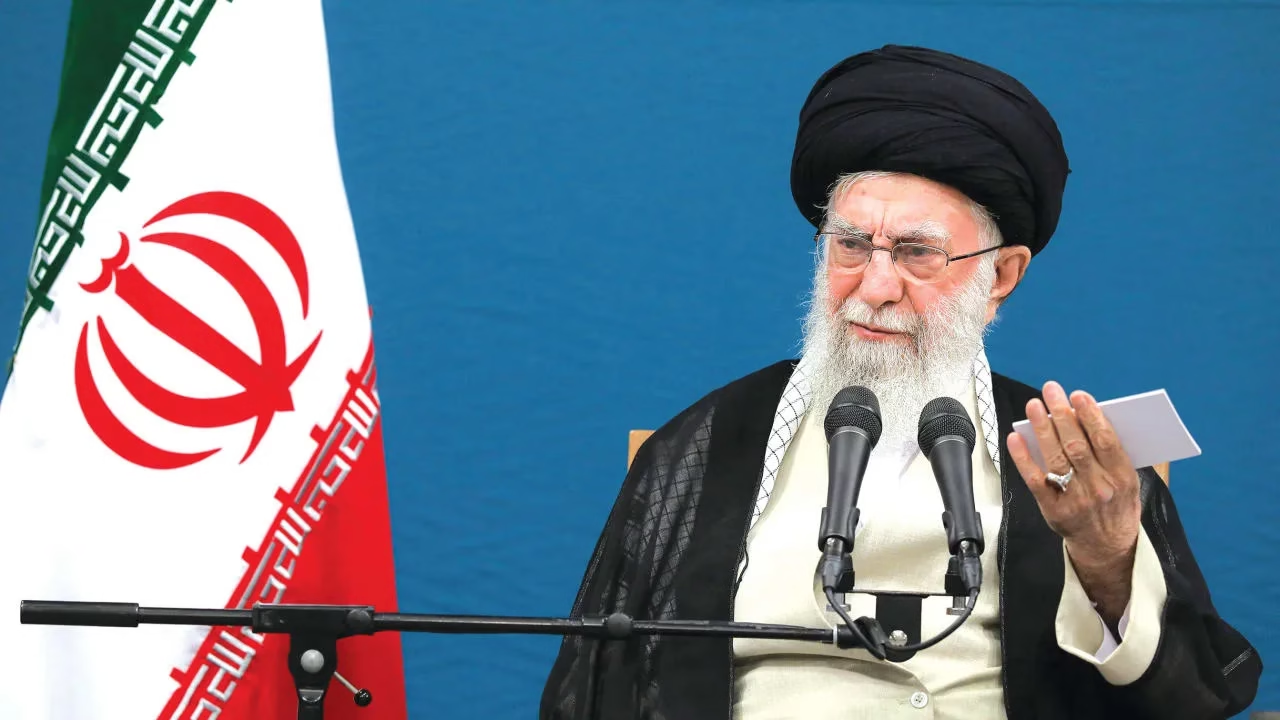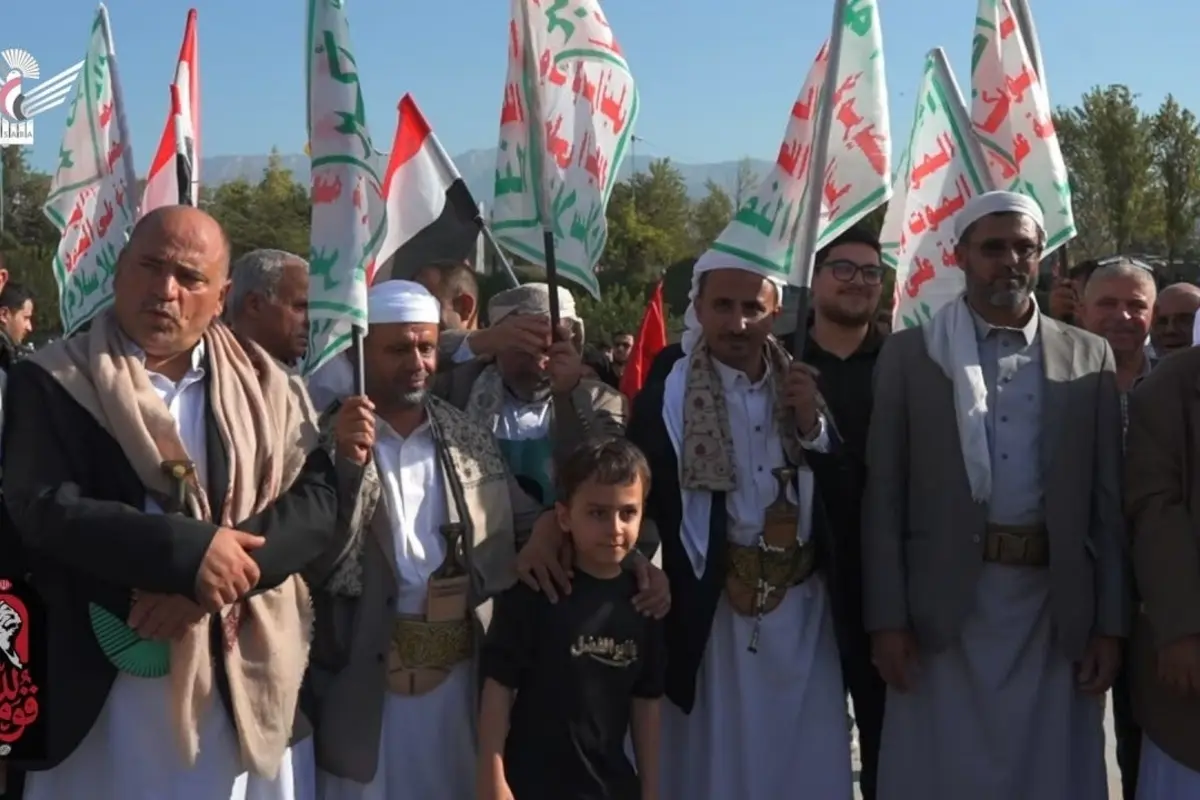
The Yemeni Delegation at Khamenei Funeral has drawn international attention after officials from Yemen attended the funeral ceremonies of Ayatollah Seyyed Ali Khamenei in Tehran. During their visit, members of the delegation praised Khamenei’s leadership and stated that his legacy would continue to influence what they described as the regional “resistance” movement. Their participation highlighted the close political and ideological ties between Yemen’s allied groups and Iran during a significant moment in the country’s recent history.
The delegation said its presence at the funeral was intended to express solidarity with the Iranian people and appreciation for Ayatollah Khamenei’s support for causes that they believe have shaped the region over the past several decades.
Funeral Ceremony Draws International Delegations
The funeral ceremonies in Tehran have attracted officials, political representatives, and delegations from several countries and regional organizations.
The Yemeni Delegation at Khamenei Funeral was among the groups attending the commemorative events, joining thousands of mourners gathered to pay their respects.
Iranian authorities described the ceremonies as a symbol of national unity, while international observers noted the significant diplomatic attention surrounding the event.
The large-scale gathering reflects Ayatollah Khamenei’s long-standing influence on Iranian politics and his broader role in regional affairs.
Delegation Highlights Khamenei’s Regional Influence
During remarks made in Tehran, Yemeni representatives stated that Ayatollah Khamenei played an important role in supporting causes they considered important across the Middle East.
According to the delegation, his leadership inspired political movements that oppose foreign intervention and promoted what they described as greater independence for Muslim nations.
The officials argued that his ideas would continue influencing future generations despite his passing.
Their statements reflected their own political perspective regarding regional developments and ongoing conflicts.
Support During the Yemen Conflict
Members of the delegation also referred to Iran’s support during Yemen’s years of conflict.
They claimed that Ayatollah Khamenei consistently backed the Yemeni people throughout the Saudi-led military intervention, which received support from international partners, including the United States.
According to the delegation, this support strengthened relations between Iranian leaders and groups aligned with Tehran.
The comments once again highlighted the complex geopolitical relationships that continue shaping Middle Eastern politics.
Legacy and the “Resistance” Narrative
A major theme of the delegation’s remarks focused on what they described as the continued strength of the regional “resistance” movement.
The Yemeni Delegation at Khamenei Funeral stated that the deaths of influential leaders would not weaken the movement but instead reinforce its determination.
According to their statements, the political and ideological objectives associated with the movement would continue despite leadership changes.
These comments reflect the delegation’s viewpoint and their interpretation of regional political dynamics.
Symbolism of the Funeral
State funerals often carry significance beyond honoring an individual.
In this case, the ceremonies have also become an opportunity for political allies and regional organizations to publicly demonstrate their relationships with Iran.
For the Yemeni Delegation at Khamenei Funeral, participation served as a symbolic gesture expressing continued political alignment and mutual support.
Such events frequently provide opportunities for diplomatic meetings, political messaging, and public statements regarding future cooperation.
Regional Reactions
The funeral has generated international attention because Ayatollah Khamenei remained one of the region’s most influential political and religious leaders.
Supporters have praised his leadership and his role in shaping Iranian policies over several decades.
At the same time, critics have expressed differing views regarding his regional influence and Iran’s foreign policy.
As a result, reactions to the funeral have varied considerably across different countries and political groups.
The Broader Middle East Context
The delegation’s visit comes during a period of continued political uncertainty across the Middle East.
Several regional conflicts remain unresolved, while diplomatic efforts continue among neighboring countries.
Observers believe that leadership transitions in major regional powers often influence broader political relationships and strategic calculations.
For this reason, statements made during high-profile events such as funerals are frequently examined for indications of future policy directions.
Diplomatic Significance
Although the Yemeni Delegation at Khamenei Funeral primarily attended to participate in mourning ceremonies, their public remarks also carried diplomatic significance.
Political analysts note that such visits often reinforce existing alliances while sending messages to both supporters and rivals.
The delegation’s comments emphasized continuity, unity, and commitment to their long-term political objectives.
Whether these statements will influence future regional developments remains uncertain.
As Iran enters a new phase following Ayatollah Khamenei’s passing, attention will increasingly shift toward the country’s future leadership and regional policies.
International observers will closely monitor how Iran’s relationships with allied groups evolve over time.
Meanwhile, organizations and delegations that attended the funeral are expected to continue expressing support for the political principles they associate with Khamenei’s legacy.
The Yemeni Delegation at Khamenei Funeral used its visit to Tehran to express solidarity with Iran while praising Ayatollah Seyyed Ali Khamenei’s influence on regional political movements. The delegation stated that his legacy would continue inspiring what they described as the “resistance” movement and reaffirmed their commitment to its objectives.
While reactions to these statements differ depending on political perspectives, the funeral has clearly become an important diplomatic and symbolic event with implications extending beyond Iran’s borders. As the region watches Iran’s next chapter unfold, the messages delivered during these ceremonies are likely to remain part of ongoing discussions about the Middle East’s political future.