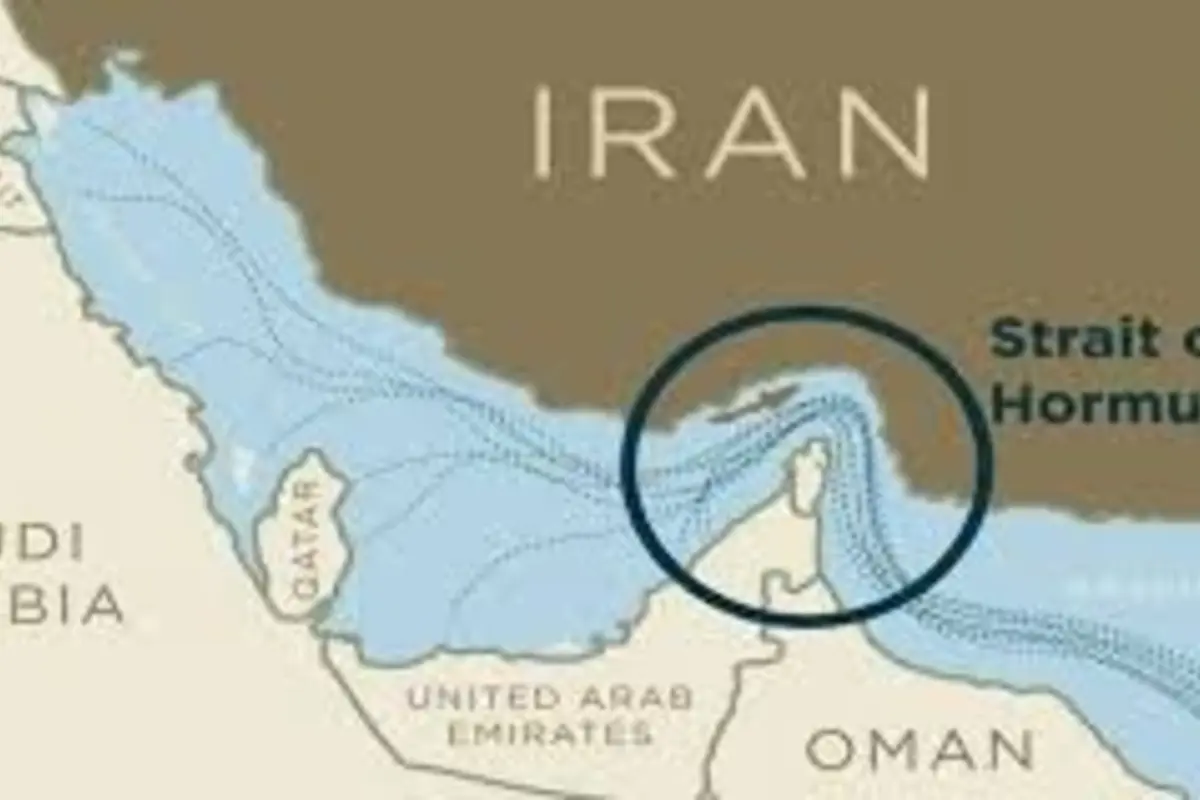
The Strait of Hormuz Importance has once again become a major topic of discussion as rising geopolitical tensions continue to focus attention on one of the world’s most critical maritime routes. Stretching between the Persian Gulf and the Gulf of Oman, this narrow waterway serves as a vital corridor for global oil exports. Nearly one-fifth of the world’s petroleum supply passes through the strait, making it one of the most strategically significant shipping lanes for international trade and energy markets.
Because of its unique geographical position, any disruption in this route can influence oil prices, shipping costs, and the global economy. Governments, energy companies, and financial markets closely monitor developments in the region due to its importance for worldwide energy security.
Why the Strait of Hormuz Matters
The Strait of Hormuz Importance extends far beyond its size. Although the waterway is relatively narrow, it connects some of the world’s largest oil-producing countries with international markets.
Major energy exporters in the Gulf region rely on this shipping route to transport crude oil, liquefied natural gas (LNG), and other petroleum products to customers across Asia, Europe, and North America.
Every day, millions of barrels of oil travel through the strait, supporting industries, transportation systems, and electricity generation around the globe.
Any interruption in maritime traffic can quickly affect international energy supplies and create uncertainty in global financial markets.
A Global Energy Chokepoint
Energy experts often describe the Strait of Hormuz as one of the world’s most important strategic chokepoints.
A chokepoint refers to a narrow passage where a large volume of global trade passes through a limited area. Because alternative shipping routes are limited, disruptions can significantly impact supply chains.
For oil-importing countries, uninterrupted access through the strait remains essential for maintaining stable fuel supplies and controlling energy costs.
This explains why international attention frequently turns toward the region whenever political or military tensions increase.
Iran’s Strategic Position
Iran occupies the northern coastline of the Strait of Hormuz, giving it an important geographical position within the region.
Many analysts believe the Strait of Hormuz Importance plays a central role in Iran’s broader regional security strategy.
The country’s location provides strategic influence over one of the busiest maritime routes in the world. While international shipping continues under established maritime laws, the geographic reality means that regional developments involving Iran often attract global attention.
This strategic position contributes to the country’s significance in discussions involving regional diplomacy, security, and international energy markets.
Impact on Global Oil Markets
International oil prices are highly sensitive to events affecting the Strait of Hormuz.
Even speculation about possible disruptions can trigger market volatility as investors react to concerns over future supply.
Higher oil prices typically increase transportation costs, manufacturing expenses, and consumer fuel prices across many countries.
Conversely, periods of stability in the region often support more predictable energy markets and improved economic confidence.
For this reason, governments and businesses carefully monitor geopolitical developments involving the strait.
Shipping and International Trade
Beyond petroleum exports, the Strait of Hormuz supports broader international trade by facilitating the movement of commercial vessels between the Persian Gulf and global shipping lanes.
Large cargo ships transporting industrial products, chemicals, and other commodities also pass through the waterway.
Ensuring safe navigation remains essential for maintaining efficient global supply chains.
International naval cooperation and maritime security efforts frequently focus on protecting commercial shipping routes within the region.
The continued flow of maritime trade benefits both exporting and importing nations.
Geopolitical Significance
The Strait of Hormuz Importance extends into international diplomacy and regional security.
Because the waterway carries strategic, economic, and military value, it often becomes a focal point during periods of political tension involving regional and global powers.
Different governments and analysts may interpret its geopolitical influence differently, but most agree that the strait plays a significant role in shaping diplomatic discussions across the Middle East.
Its importance encourages ongoing dialogue regarding maritime security, regional stability, and international cooperation.
Why Stability Matters
Global economic growth depends heavily on reliable energy supplies.
Stable shipping through the Strait of Hormuz helps ensure that industries receive the fuel needed for manufacturing, transportation, and electricity production.
Businesses benefit from predictable energy prices, while consumers experience fewer disruptions in fuel availability.
Long-term regional stability also encourages investment, strengthens international trade, and supports economic development.
For these reasons, diplomatic efforts aimed at reducing regional tensions remain important for both local and global economies.
As global energy demand continues to grow, the Strait of Hormuz Importance is unlikely to diminish in the coming years.
Although renewable energy sources are expanding worldwide, oil and natural gas continue to play major roles in meeting global energy needs.
Consequently, the security and stability of this strategic maritime corridor will remain a priority for governments, international organizations, and energy companies.
Advancements in diplomacy, maritime cooperation, and regional dialogue may help reduce future risks while supporting uninterrupted commercial shipping.
The Strait of Hormuz Importance lies in its central role within the global energy system and international trade network. As one of the world’s busiest oil transit routes, it connects major energy producers with markets across the globe while influencing economic stability far beyond the Middle East.
Although geopolitical tensions occasionally bring renewed attention to the region, the continued safe operation of the strait remains essential for maintaining reliable energy supplies and stable global markets. As international cooperation evolves, ensuring the security of this vital waterway will continue to be a shared priority for countries around the world.