The Iran-US War Termination Agreement remains under close international attention as Iran has made it clear that it will not implement its commitments unless the United States fulfills its obligations simultaneously. Iranian officials have emphasized that any agreement between the two countries must be based on mutual compliance rather than unilateral action. This stance reflects Tehran’s cautious approach as both sides navigate one of the most sensitive diplomatic situations in recent years.
Iran’s Foreign Ministry has stated that every step taken by the United States will be carefully monitored before Iran proceeds with its own commitments. Officials insist that lasting peace can only be achieved when both parties demonstrate equal responsibility and respect for the agreed terms.
Iran Emphasizes Mutual Commitments
According to Iranian officials, the guiding principle behind the Iran-US War Termination Agreement is simple: “commitment in exchange for commitment.” This means neither side should be expected to fulfill its promises without seeing corresponding actions from the other.
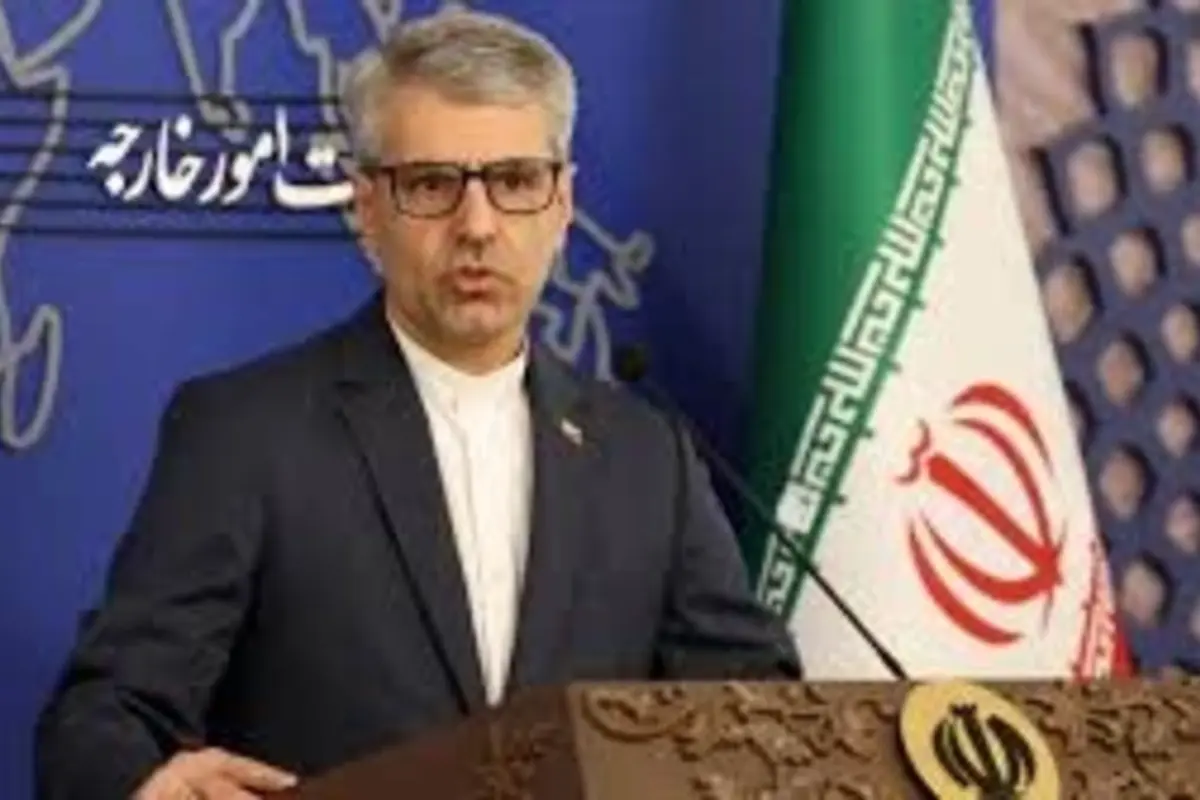
Foreign Ministry spokesman Esmail Baghaei explained that Iran intends to evaluate US implementation “moment by moment.” The government believes that simultaneous compliance is necessary to build trust and avoid repeating past diplomatic disagreements.
This approach reflects Tehran’s broader strategy of ensuring that international agreements produce practical results rather than remaining symbolic commitments.
Background of the Agreement
The reported memorandum of understanding (MoU), consisting of multiple provisions, was introduced as a framework to end recent hostilities between Iran and the United States.
Although the full details have not been officially released, reports indicate that the agreement includes several important areas of cooperation. These reportedly involve easing restrictions, addressing sanctions-related issues, handling frozen financial assets, and creating conditions for reducing regional tensions.
However, questions remain regarding how each provision will be implemented and independently verified.
The Iran-US War Termination Agreement therefore remains a work in progress, with both governments closely watching each other’s actions before moving forward.
Why Verification Matters
Diplomatic agreements often depend not only on written commitments but also on confidence that every party will honor its obligations.
Iran’s leadership argues that successful implementation requires transparency and continuous verification. Officials have stressed that commitments should occur simultaneously to prevent one side from gaining an unfair advantage during the implementation process.
Verification mechanisms also help reduce misunderstandings and create accountability, especially when agreements involve security, sanctions, and international relations.
For both countries, maintaining credibility throughout the process will likely determine the agreement’s long-term success.
Sanctions and Economic Expectations
One of the most closely watched aspects of the reported agreement involves economic measures.
Iran has long sought relief from international sanctions that have affected trade, investment, and economic growth. Reports suggest that discussions surrounding frozen financial assets and economic restrictions are included among the agreement’s broader objectives.
If implemented successfully, these measures could improve economic conditions, facilitate international business activity, and create greater financial stability.
However, much depends on practical implementation rather than political announcements alone.
The Iran-US War Termination Agreement will likely be evaluated not only through diplomatic statements but also through measurable economic developments over time.
Regional Stability Remains a Priority
Relations between Iran and the United States influence security across the Middle East.
Periods of heightened tensions have historically affected regional stability, international shipping routes, energy markets, and diplomatic relations among neighboring countries.
Any progress toward reducing hostilities could contribute to greater regional confidence while lowering the risk of military escalation.
Many international observers hope that continued dialogue will replace confrontation, creating opportunities for broader diplomatic engagement on other regional issues.
International Attention on the Agreement
Governments, international organizations, and financial markets continue monitoring developments between Tehran and Washington.
Diplomatic agreements involving two influential regional actors often have wider global implications, particularly regarding energy markets, international trade, and geopolitical stability.
Countries with economic or strategic interests in the region are expected to follow implementation closely while encouraging continued dialogue between both sides.
Analysts believe that consistent communication and confidence-building measures will remain essential throughout the implementation process.
Challenges Ahead
Despite positive diplomatic signals, several challenges remain.
Differences in interpretation, political changes, domestic pressures, and security concerns could all influence the pace of implementation.
Both governments face the difficult task of balancing national interests with international expectations while maintaining public confidence in the negotiation process.
Building trust after years of strained relations requires patience, transparency, and continued diplomatic engagement.
Success will depend not only on formal agreements but also on consistent actions that demonstrate genuine commitment from both sides.
The Iran-US War Termination Agreement represents an important diplomatic effort aimed at reducing tensions and promoting greater regional stability. Iran’s insistence on simultaneous implementation reflects its position that international agreements should be based on fairness, reciprocity, and mutual accountability.
As discussions continue, the world will closely watch whether both countries fulfill their commitments in parallel. If implemented successfully, the agreement could improve diplomatic relations, support economic recovery, and contribute to long-term regional peace.
Although important challenges remain, continued dialogue and careful verification may provide a stronger foundation for rebuilding trust between two nations whose relationship has shaped global politics for decades.