The Khawaja Asif AJK remarks have sparked a fresh political debate in Pakistan, with major opposition parties strongly criticizing the defence minister’s comments regarding the identity of people in Rawalakot, Azad Jammu and Kashmir (AJK). The controversy has emerged at a time when tensions remain high in the region due to ongoing protests over political representation and reserved seats in the AJK Legislative Assembly.
Political leaders from both the Jamiat Ulema-e-Islam-Fazl (JUI-F) and the Pakistan Peoples Party (PPP) expressed concerns about the statements, arguing that sensitive national issues should be handled with caution and responsibility. The dispute has once again highlighted the importance of maintaining unity and avoiding rhetoric that may deepen divisions.
Background of the Controversy
The Khawaja Asif AJK remarks came amid unrest in Rawalakot, which has become a focal point of protests led by groups opposing the reservation of 12 seats in the Azad Jammu and Kashmir Legislative Assembly for refugees.
The issue of reserved seats has generated considerable debate in AJK. Supporters argue that refugee communities deserve representation due to their historical connection with Kashmir, while critics believe the current arrangement raises questions about local political rights and governance.
Against this backdrop, comments made by Khawaja Asif drew attention and criticism from political parties across the spectrum. Many leaders argued that discussions surrounding identity and representation require careful language because of the sensitive nature of the Kashmir issue.
JUI-F Calls for Patience and Responsibility
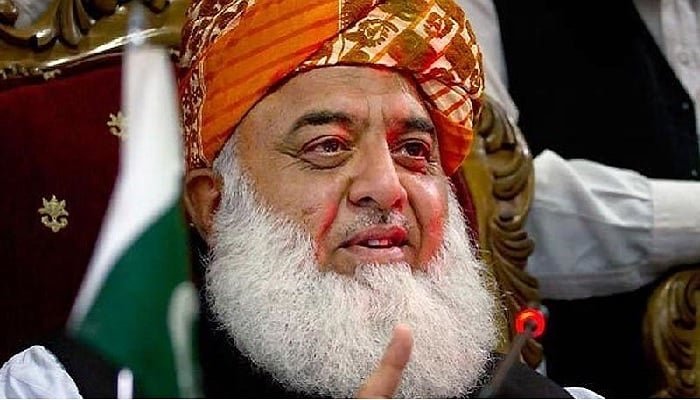
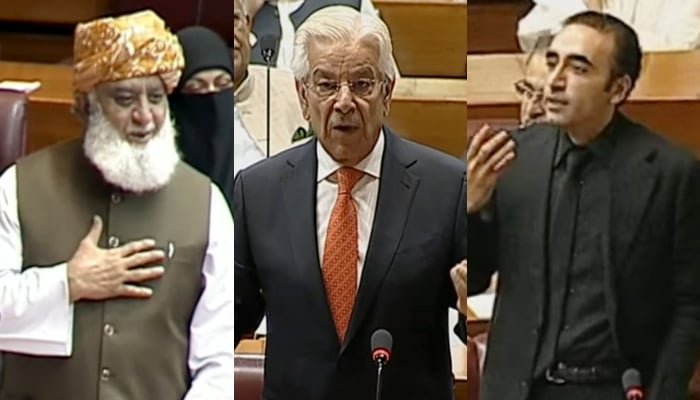
JUI-F chief Maulana Fazlur Rehman was among the most prominent voices responding to the controversy. Speaking in the National Assembly, he emphasized the need for patience, tolerance, and respectful political discourse.
According to Fazlur Rehman, emotional statements often create unnecessary tensions and can distract from the real issues facing the country. He stressed that political leaders must exercise restraint, especially when discussing regions with complex historical and political backgrounds.
His remarks reflected a broader concern that heated rhetoric can undermine efforts to address legitimate grievances through dialogue and democratic processes. The JUI-F leadership maintained that constructive engagement is the best way to resolve disputes related to representation and governance.
PPP Also Raises Concerns
The Pakistan Peoples Party joined the criticism of the Khawaja Asif AJK remarks, arguing that political leaders should avoid statements that may be perceived as divisive.
PPP leaders emphasized that Azad Jammu and Kashmir holds a unique position in Pakistan’s political and national narrative. They argued that residents of the region deserve respect and recognition, particularly during times of political tension.
The party called for greater focus on addressing public concerns rather than engaging in controversial debates that may escalate tensions. According to PPP representatives, national unity should remain a priority, especially when discussing issues connected to Kashmir.
Significance of the Rawalakot Protests
The current controversy cannot be separated from the ongoing protests in Rawalakot. Demonstrations have largely focused on concerns surrounding political representation and the allocation of reserved seats.
Many protesters believe that decisions affecting local governance should reflect the aspirations and interests of residents living in AJK. On the other hand, supporters of the existing system argue that refugee representation remains an important constitutional and historical obligation.
As the debate continues, political leaders are under pressure to find solutions that balance different viewpoints while preserving stability in the region.
Why Political Language Matters
The reaction to the Khawaja Asif AJK remarks demonstrates how influential public statements can be in shaping political discourse. In sensitive regions such as Kashmir, even a single comment can trigger widespread discussion and strong reactions.
Political analysts often note that leaders have a responsibility to choose their words carefully. Statements perceived as questioning identity, representation, or belonging can create misunderstandings and fuel controversy.
This is particularly important in areas where political, historical, and emotional factors are deeply interconnected. Responsible communication helps build trust and encourages meaningful dialogue between stakeholders.
The Need for Dialogue
The ongoing debate highlights a broader challenge facing Pakistani politics: how to address disagreements while maintaining mutual respect. Whether the issue concerns reserved seats, governance, or regional identity, experts agree that dialogue remains the most effective path forward.
Political parties across the spectrum have emphasized the importance of democratic engagement and consultation. Open discussions can help bridge differences and reduce tensions while ensuring that all perspectives are heard.
Constructive dialogue also strengthens public confidence in political institutions and demonstrates a commitment to resolving disputes through peaceful means.
The controversy surrounding the Khawaja Asif AJK remarks has generated significant political discussion, drawing criticism from both JUI-F and PPP leaders. Their response underscores the sensitivity of issues related to identity, representation, and governance in Azad Jammu and Kashmir.
As debates over reserved seats and political rights continue, many observers believe that careful communication and inclusive dialogue are essential for maintaining stability. Moving forward, political leaders will likely face growing expectations to prioritize unity, respect, and constructive engagement when addressing matters that affect the people of AJK.
The episode serves as a reminder that words carry weight in politics, particularly when discussing regions with complex histories and strong public sentiments.