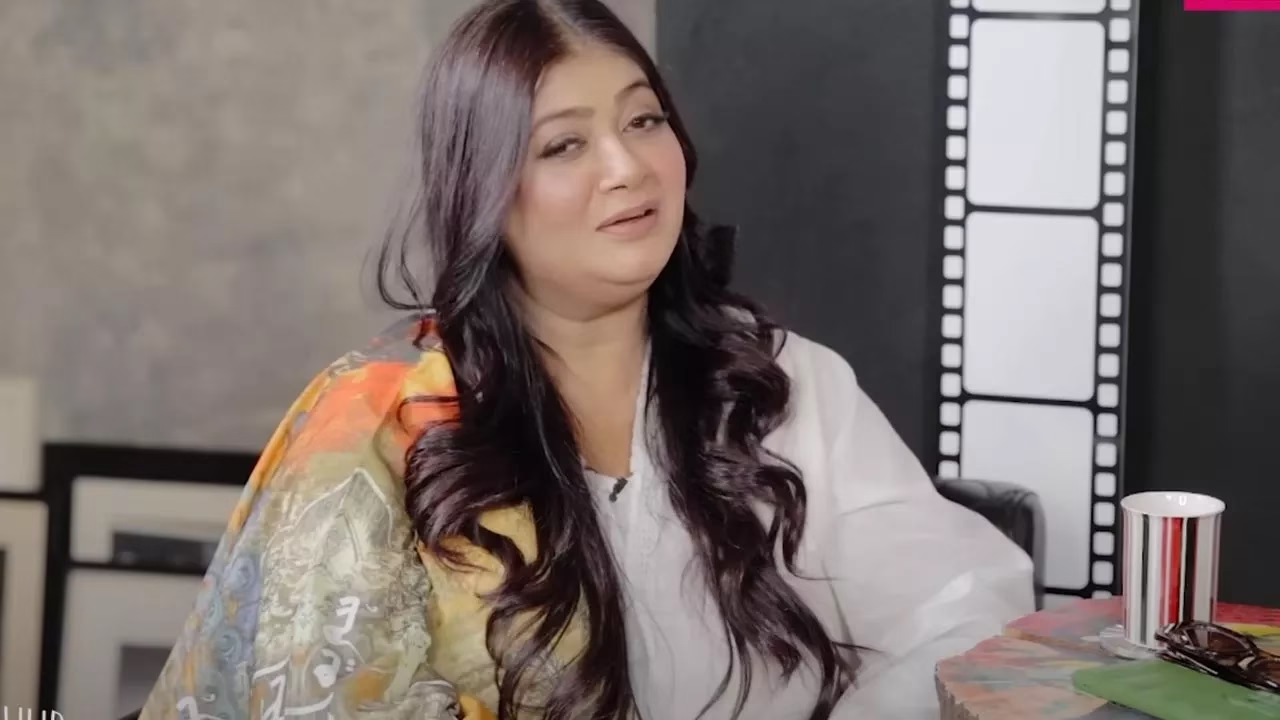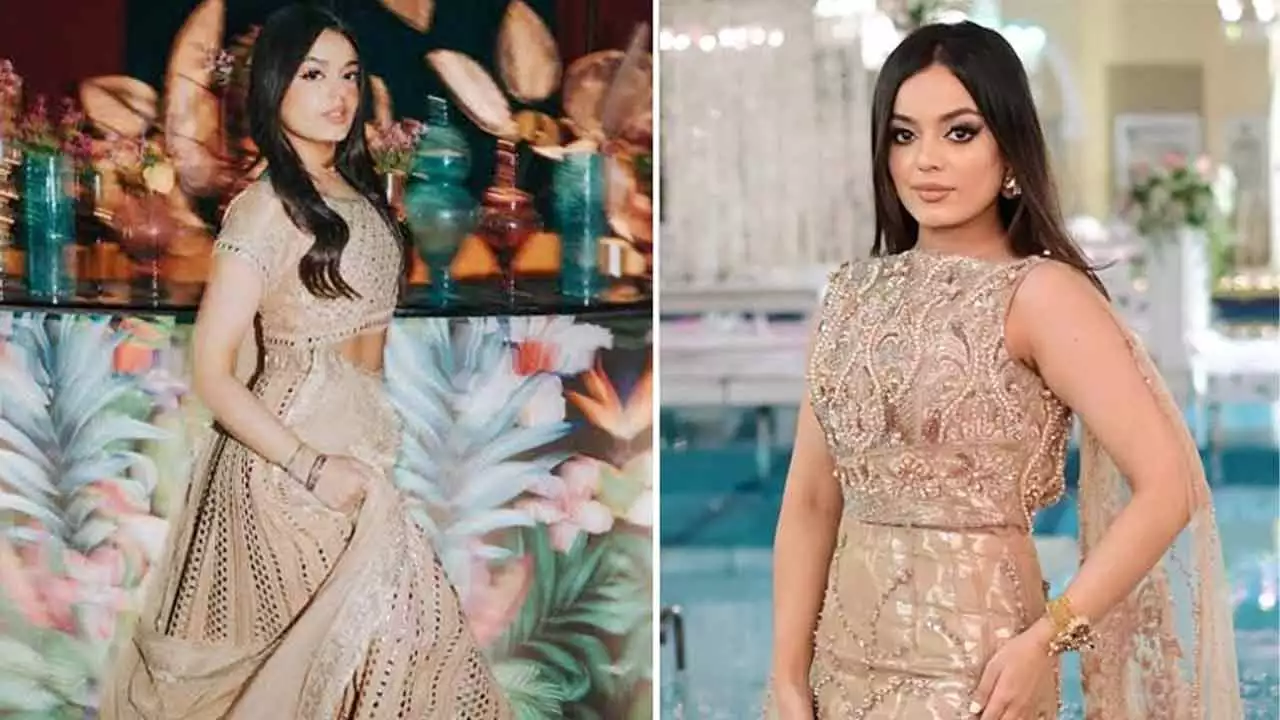
Pakistani Drama Costumes have once again become a topic of discussion after a recent television scene sparked debate among viewers on social media. While actress Zainab Raza received praise for her performance in the drama, attention quickly shifted toward one of her outfits, leading to a broader conversation about fashion, cultural values, and creative freedom in the entertainment industry.
The discussion began when the actress appeared in a purple sari paired with a blouse that some viewers considered bolder than what is typically seen in mainstream Pakistani television. Although the scene itself was presented modestly and carefully edited, screenshots and clips soon circulated online, generating mixed reactions from audiences.
Why Costumes Matter in Television
Costumes play an important role in storytelling. They help define characters, reflect social backgrounds, and contribute to the overall visual appeal of a drama. In many cases, wardrobe choices help viewers better understand a character’s personality, lifestyle, and emotional journey.
However, Pakistani Drama Costumes often face greater scrutiny than costumes in many other entertainment industries. Since television dramas are watched by audiences of different age groups and cultural backgrounds, wardrobe choices are frequently evaluated not only from an artistic perspective but also through the lens of social and cultural expectations.
As a result, even a single outfit can become the center of public discussion, especially in today’s digital age where social media amplifies every detail.
Social Media Reactions
The recent controversy generated a wide range of opinions. Some viewers argued that television productions should be more mindful of cultural sensitivities when selecting costumes for nationally broadcast dramas. They believe that entertainment content should reflect local traditions and values while maintaining broad family appeal.
Others criticized the production team and creative directors, suggesting that wardrobe decisions should be reviewed more carefully before episodes are aired.
At the same time, many fans defended the actress and the creative team. They argued that the focus should remain on acting performances, storytelling quality, and character development rather than becoming overly concerned with clothing choices.
The debate surrounding Pakistani Drama Costumes highlights how audiences can interpret the same visual element in very different ways depending on their personal beliefs and expectations.
The Balance Between Tradition and Creativity
One of the biggest challenges facing drama producers is finding the right balance between cultural values and artistic expression. Pakistan’s entertainment industry has evolved significantly over the past decade, with productions becoming more diverse in terms of storytelling, fashion, and visual presentation.
Modern dramas often attempt to portray characters from different social classes, professions, and lifestyles. As a result, costume designers may choose outfits that reflect contemporary fashion trends or specific character traits.
However, discussions about Pakistani Drama Costumes frequently emerge whenever viewers feel that certain styles move beyond what they consider culturally appropriate. This ongoing conversation demonstrates the complex relationship between creative freedom and audience expectations.
The Role of Costume Designers
Costume designers are responsible for much more than selecting attractive clothing. Their work involves researching characters, understanding storylines, and creating visual consistency throughout a production.
A well-designed wardrobe can strengthen a character’s identity and make a story feel more authentic. Designers often collaborate closely with directors, writers, and actors to ensure that every outfit supports the overall narrative.
When controversies arise regarding Pakistani Drama Costumes, costume designers often find themselves at the center of public attention, even though their decisions are usually part of a broader creative process involving multiple departments.
Changing Audience Expectations
Audience expectations continue to evolve as Pakistani viewers gain access to international content through streaming platforms and digital media. Exposure to global entertainment has influenced fashion trends and broadened perspectives on storytelling and visual presentation.
At the same time, many viewers remain strongly connected to cultural traditions and expect local productions to preserve values they consider important.
This creates a unique challenge for drama creators who must appeal to diverse audiences with different viewpoints. The discussion generated by Zainab Raza’s outfit reflects these changing expectations and demonstrates how television continues to serve as a platform for wider social conversations.
A Larger Cultural Discussion
The reaction to this particular scene is not simply about one outfit. Instead, it reflects broader questions about representation, identity, and artistic freedom in Pakistani media.
Supporters of greater creative flexibility argue that fashion choices should be evaluated within the context of a character and story rather than judged in isolation. Others believe television producers have a responsibility to remain mindful of cultural norms due to the influence dramas have on society.
Both perspectives contribute to the ongoing discussion surrounding Pakistani Drama Costumes, making it one of the most frequently debated topics in the entertainment industry.
The recent social media debate involving Zainab Raza demonstrates how costume choices can generate conversations far beyond a single television scene. While opinions remain divided, the discussion highlights the continuing importance of balancing creativity with audience expectations.
As Pakistani television continues to evolve, debates over Pakistani Drama Costumes are likely to remain part of the broader conversation about culture, media, and artistic expression. Ultimately, finding common ground between innovation and tradition will remain one of the industry’s most important challenges.