The Iran-US Ceasefire Agreement has emerged as one of the most significant diplomatic developments in recent years, raising hopes for peace and stability in a region that has witnessed prolonged tensions and uncertainty. The announcement comes as world leaders and international observers closely watch efforts aimed at ending hostilities and opening a new chapter of dialogue between the two nations.
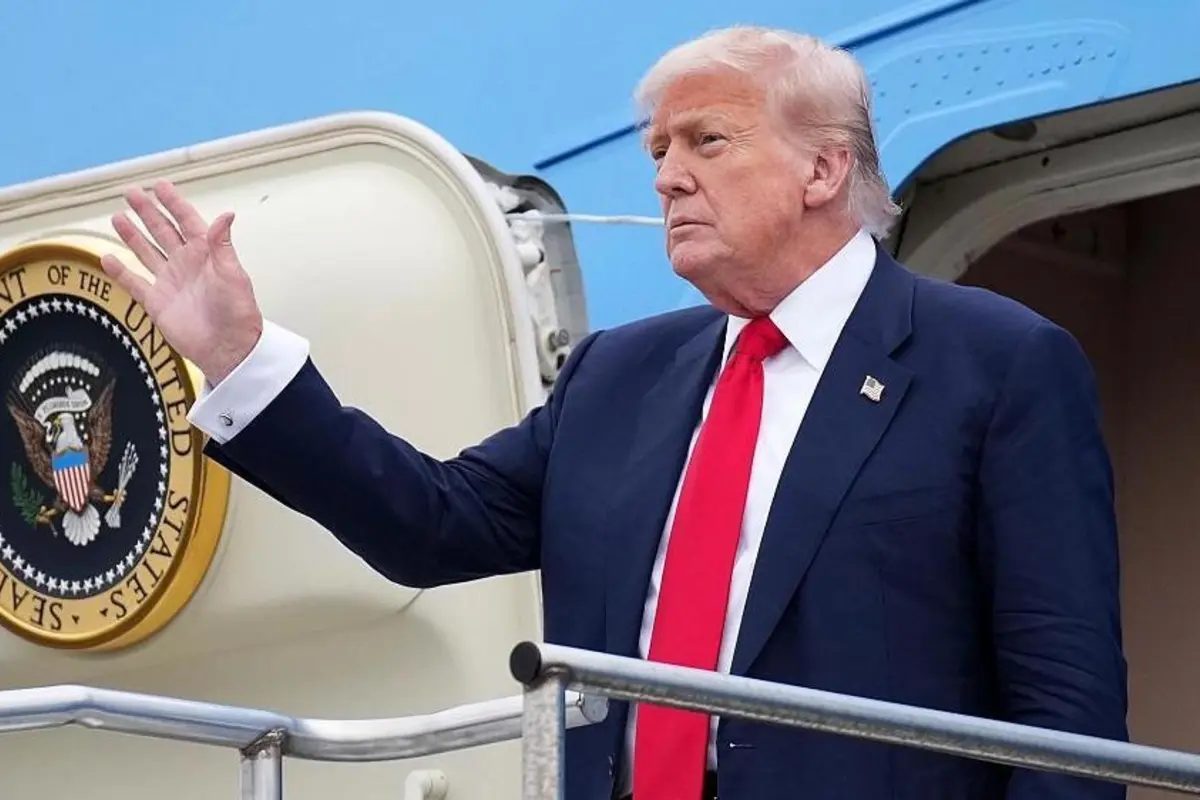
According to media reports, United States President Donald Trump has arrived in Geneva, where a ceremony related to the ceasefire agreement is expected to take place. The development has attracted global attention as governments, analysts, and citizens await further details regarding the future of relations between Washington and Tehran.
The reported Iran-US Ceasefire Agreement follows months of diplomatic efforts involving multiple stakeholders. The agreement is being viewed by many as an important step toward reducing tensions and creating opportunities for future cooperation. While challenges remain, the possibility of a peaceful resolution has generated optimism among supporters of diplomacy and conflict prevention.
Geneva Becomes the Center of Global Attention
Geneva has long been recognized as a hub for international diplomacy, hosting important negotiations and peace initiatives. The city is once again in the global spotlight as leaders and officials gather for discussions surrounding the reported ceasefire.
The arrival of President Trump has further intensified international interest. Reports suggest that after attending events in Geneva, he is expected to travel to France to participate in the G7 Summit, where global economic and security issues will be discussed among world leaders.
The timing of the visit has added significance to the Iran-US Ceasefire Agreement, as many observers believe the outcome could influence broader geopolitical dynamics and international policy discussions.
Pakistan’s Role in Peace Efforts
Pakistan has also emerged as an important player in the diplomatic process. Prime Minister Shehbaz Sharif announced that Pakistan would host the agreement ceremony in Geneva, highlighting the country’s involvement in promoting dialogue and peaceful engagement.
Speaking during a session of the National Assembly, the prime minister described the development as a historic milestone for global peace. He emphasized the importance of diplomacy in resolving disputes and expressed hope that the agreement would contribute to greater stability in the region.
Pakistan’s participation reflects its longstanding support for peaceful conflict resolution and constructive international engagement. The country’s role in facilitating discussions has been acknowledged as part of broader efforts aimed at reducing tensions between the two sides.
Why the Agreement Matters
The significance of the Iran-US Ceasefire Agreement extends beyond the two countries directly involved. Relations between Iran and the United States have influenced regional security, global energy markets, and international diplomacy for decades.
Periods of tension between the two nations have often raised concerns about wider instability in the Middle East. Any move toward de-escalation is therefore closely monitored by governments, businesses, and international organizations around the world.
A successful implementation of the ceasefire could create opportunities for further negotiations on political, economic, and security issues. It may also help reduce uncertainty in international markets and improve confidence among investors and regional stakeholders.
Global Reactions and Expectations
The announcement of the ceasefire has generated considerable discussion across diplomatic circles. Many observers have welcomed the development, describing it as a positive step toward reducing conflict and encouraging dialogue.
Supporters argue that diplomacy remains the most effective way to address complex international disputes. They believe that engagement and negotiation can achieve outcomes that military confrontations often cannot.
At the same time, analysts caution that lasting peace requires sustained commitment from all parties involved. The success of the Iran-US Ceasefire Agreement will depend not only on signing documents but also on implementing agreed measures and maintaining open channels of communication.
International leaders are expected to monitor developments closely in the coming weeks and months. Future diplomatic engagements may play a crucial role in strengthening trust and preventing misunderstandings.
Opportunities for Regional Stability
One of the most important potential outcomes of the agreement is its impact on regional stability. Reduced tensions could encourage greater economic cooperation, improved diplomatic relations, and enhanced security coordination among countries in the region.
A peaceful environment would also create opportunities for development, trade, and investment. Governments could focus more resources on economic growth and social progress rather than conflict management.
The Iran-US Ceasefire Agreement may also encourage other nations facing disputes to explore diplomatic solutions instead of escalating confrontations. In this sense, the agreement could serve as an example of how dialogue can help overcome even the most challenging disagreements.
While many details remain to be clarified, the reported ceasefire represents a significant moment in international diplomacy. The coming days will likely reveal more information about the framework, implementation mechanisms, and future roadmap associated with the agreement.
For now, the world is watching Geneva as leaders work to transform diplomatic progress into lasting peace. If successful, the Iran-US Ceasefire Agreement could become a landmark achievement that reshapes regional relations and strengthens global efforts toward conflict resolution.
As hopes for stability continue to grow, many believe that this moment offers an opportunity to move beyond confrontation and embrace a future built on dialogue, cooperation, and mutual understanding.