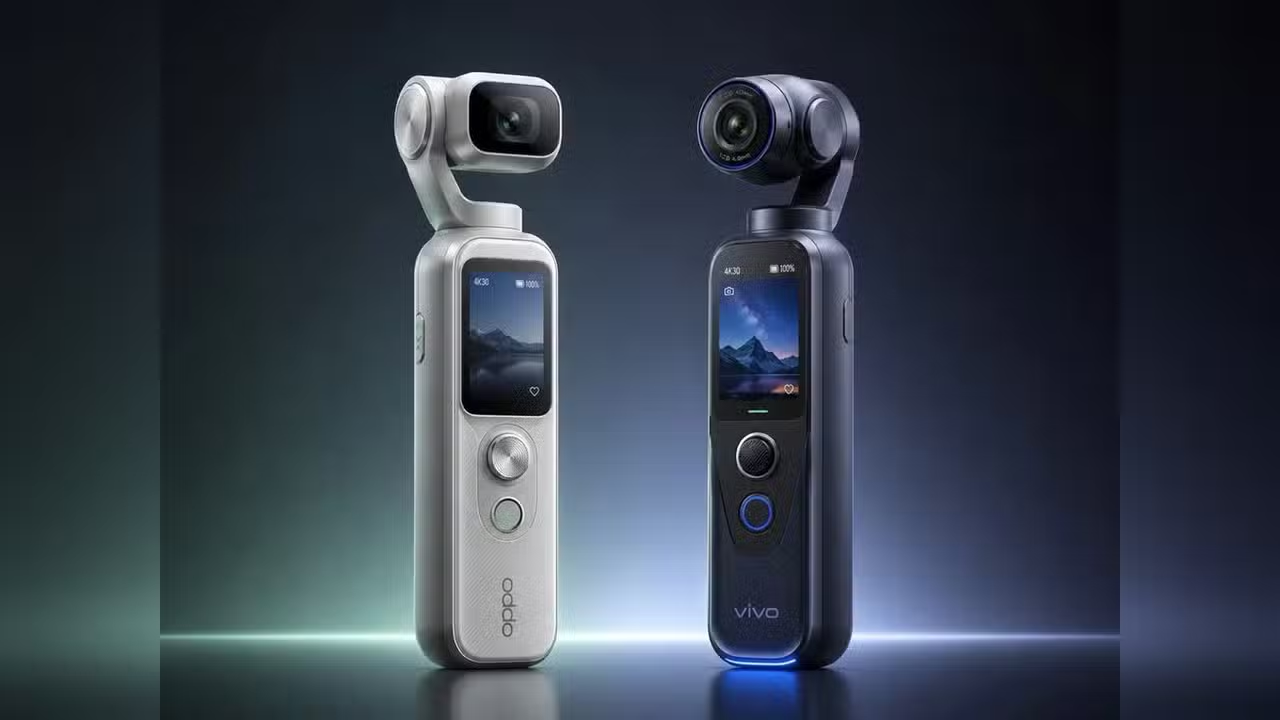
200MP vlogging cameras may soon become the next big trend in the creator industry as Oppo and Vivo reportedly prepare to launch their own compact creator-focused devices. These upcoming cameras are expected to compete directly with DJI’s popular Osmo Pocket lineup, which has become a favorite among vloggers, travelers, and social media creators.
The growing demand for high-quality portable cameras has encouraged smartphone brands to expand beyond traditional mobile photography. According to recent leaks from China, both Oppo and Vivo are working on compact vlogging devices powered by advanced 200MP sensors. If the reports are accurate, these cameras could significantly reshape the portable content creation market.
One of the most talked-about features of these rumored devices is the large imaging sensor. The new 200MP vlogging cameras are expected to use a 1/1.12-inch sensor, which is believed to be Sony’s Lytia 901 sensor. Sony introduced this sensor for premium mobile imaging, focusing on high resolution, better low-light performance, and improved zoom quality.
A large sensor combined with 200 megapixels could allow creators to capture sharper details, cleaner nighttime footage, and smoother digital zoom. This would give users more flexibility while shooting travel videos, interviews, lifestyle content, and cinematic clips for social media platforms like TikTok, YouTube, and Instagram.
Another interesting aspect of these upcoming devices is the branding partnership. Oppo is expected to continue its collaboration with Hasselblad, while Vivo may integrate Zeiss imaging technology into its camera system. Both brands already use these partnerships in their flagship smartphones, where image processing and color tuning have received positive feedback from users.
The inclusion of Hasselblad and Zeiss branding in 200MP vlogging cameras could help improve image quality and provide a more professional photography experience. Creators today are becoming increasingly selective about camera performance, especially when it comes to color accuracy, dynamic range, and stabilization.
Reports also suggest that the cameras may feature flagship-level processors. While the exact chipsets remain unknown, powerful hardware would be essential for handling 4K or even 8K video recording, advanced image processing, AI enhancements, and smooth editing performance.
One of the biggest advantages these devices may offer is direct smartphone integration. Both Oppo and Vivo are reportedly designing the cameras to connect seamlessly with their smartphones. This could make it easier for creators to instantly transfer videos and photos for editing or uploading.
Modern content creation depends heavily on speed and convenience. Many influencers and vloggers prefer quick workflows where footage can be captured, edited, and uploaded directly from a mobile phone. By creating a strong ecosystem between the camera and smartphone, Oppo and Vivo could attract creators who want a simpler and faster editing process.
The popularity of DJI’s Osmo Pocket series proves there is already a strong market for compact creator cameras. The Osmo Pocket 3 became especially popular because it combines portability with smooth stabilization and strong video quality. Now, the arrival of 200MP vlogging cameras from smartphone companies could increase competition in this rapidly growing segment.
Competition in the portable camera market is also becoming more intense because other brands are entering the space. DJI is expected to launch the Osmo Pocket 4 soon, while Insta360 is reportedly preparing its first pocket gimbal camera called Luna. This means creators will soon have more options than ever before.
However, Oppo and Vivo may have an advantage because of their experience in smartphone photography. Over the past few years, both companies have invested heavily in mobile imaging technology, AI processing, portrait modes, and stabilization systems. Bringing that expertise into standalone vlogging devices could help them create highly competitive products.
Another factor working in their favor is the growing creator economy. Millions of people worldwide now create content for YouTube, TikTok, Facebook, and Instagram. Many of them are looking for lightweight and travel-friendly equipment that delivers professional-looking results without the complexity of large DSLR cameras.
The success of 200MP vlogging cameras will depend on pricing, battery life, stabilization quality, and ease of use. If these devices are priced competitively, they could attract beginner creators as well as experienced vloggers searching for compact alternatives to traditional cameras.
There is also strong potential for these products in Asian markets where smartphone brands already have loyal user bases. Oppo and Vivo users may prefer a camera that integrates naturally with their existing devices and apps.
Although the companies have not officially confirmed launch dates or complete specifications, the leaks have already created excitement among tech enthusiasts and content creators. If the rumors become reality, the compact creator camera market could become far more competitive in the coming years.
200MP vlogging cameras could represent a major step forward for portable content creation. With powerful sensors, advanced imaging technology, and smartphone integration, Oppo and Vivo appear ready to challenge established players like DJI. As the creator economy continues to grow, these devices may become essential tools for the next generation of digital storytellers.