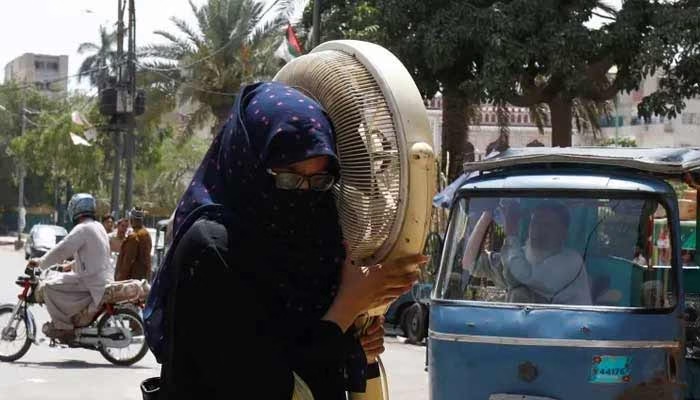
The Karachi hot weather anticyclonic wave impact is becoming increasingly noticeable as temperatures rise across the city. Due to the presence of an anticyclonic system near the Oman coast, weather conditions in Karachi are expected to remain hot and dry over the coming days. This shift in atmospheric pressure is affecting sea breezes and contributing to the recent increase in heat intensity.
The Karachi hot weather anticyclonic wave impact is not only limited to the coastal city but is also influencing weather patterns across parts of Sindh and Balochistan. As a result, residents are experiencing higher daytime temperatures and reduced humidity, making the heat feel more intense.
What Is Causing the Heat?
The main driver behind the Karachi hot weather anticyclonic wave impact is an anticyclonic wave positioned near the Oman coast. This system creates high-pressure conditions that suppress cloud formation and limit the flow of cooler sea air into coastal areas.
Normally, Karachi benefits from sea breezes that help regulate temperature. However, due to this high-pressure system, these breezes have weakened, allowing heat to build up during the day. This is why the city is currently experiencing hotter-than-usual conditions.
Temperature Forecast for Karachi
According to the Pakistan Meteorological Department, the Karachi hot weather anticyclonic wave impact will keep temperatures elevated in the coming days. Maximum temperatures are expected to range between 37°C and 39°C, with hot and dry conditions dominating the forecast.
Low humidity levels are also contributing to the rising temperatures. When humidity drops, the air becomes drier, which can make the sun’s heat feel more intense on the skin. This combination of high temperature and low moisture is a key feature of the current weather pattern.
Is This a Heatwave?
Despite the rising temperatures, experts clarify that the Karachi hot weather anticyclonic wave impact does not qualify as a heatwave. A heatwave typically involves prolonged periods of extreme temperatures combined with high humidity and limited nighttime cooling.
In this case, the situation is different. Weather analysts note that sea breezes are expected to return at a light speed during the evening or night. This natural cooling effect will help bring some relief and prevent the conditions from escalating into a full heatwave.
Impact on Daily Life
The Karachi hot weather anticyclonic wave impact is already affecting daily routines in the city. People are experiencing discomfort during peak afternoon hours, and there is an increased need to stay hydrated and avoid direct sunlight.
Outdoor activities are becoming more challenging, especially for those who work under the sun. Schools, offices, and businesses may also feel the impact as energy demand rises due to increased use of fans and air conditioning.
Regional Effects in Sindh and Balochistan
The Karachi hot weather anticyclonic wave impact is not isolated to the city alone. Other areas in Sindh and Balochistan are also witnessing a slight rise in temperatures. The high-pressure system is influencing a broader region, causing similar hot and dry conditions in neighboring areas.
This regional impact highlights how interconnected weather systems can affect multiple provinces at the same time. Residents in these areas are also advised to take precautions against the heat.
Possibility of Rain Ahead
While the current conditions remain hot, there is some relief in sight. The Karachi hot weather anticyclonic wave impact may weaken in the coming weeks, with a possibility of rain in late April or early May.
Rainfall, even if light, can significantly reduce temperatures and improve overall weather conditions. It can also help restore normal sea breeze patterns, bringing back the cooling effect that Karachi typically experiences.
Tips to Stay Safe in Hot Weather
During the Karachi hot weather anticyclonic wave impact, it is important to take simple precautions to stay safe. Drinking plenty of water, wearing light clothing, and avoiding outdoor activities during peak heat hours can help reduce the risk of heat-related illnesses.
Using sunscreen, staying in shaded areas, and ensuring proper ventilation indoors are also effective ways to cope with the rising temperatures.
The Karachi hot weather anticyclonic wave impact is a temporary but noticeable shift in the city’s weather pattern. While temperatures are rising and conditions are becoming uncomfortable, the situation is not severe enough to be classified as a heatwave.
With sea breezes expected to return and the possibility of rain in the coming weeks, relief is likely on the horizon. Until then, residents should remain cautious and take necessary steps to protect themselves from the heat.