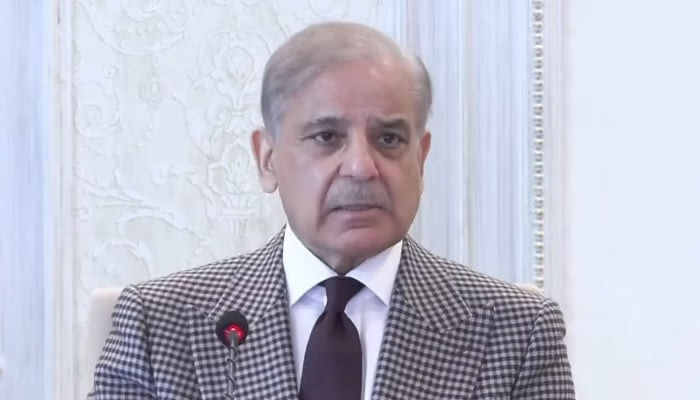
The recent Pakistan US Iran ceasefire mediation has emerged as a significant diplomatic milestone, placing Pakistan at the center of global peace efforts. Prime Minister Shehbaz Sharif urged all parties to respect the ceasefire and exercise restraint, emphasizing that peace can only be achieved through dialogue and mutual understanding. His statement came amid reports of violations that threaten to derail the fragile agreement between the United States and Iran.
According to the prime minister, the ceasefire brokered with Pakistan’s active involvement was agreed upon for a period of two weeks. He stressed that this window should be used to prioritize diplomacy and work toward a long-term resolution. The Pakistan US Iran ceasefire mediation reflects a strategic effort to reduce tensions in a region that has been on the brink of a wider conflict.
The situation grew more complex when Abbas Araghchi raised concerns about alleged ceasefire violations by Israel during a conversation with Syed Asim Munir. These claims highlight the delicate nature of the agreement and the challenges involved in maintaining peace in a volatile geopolitical environment. Any violation, even minor, risks escalating tensions and undoing the progress achieved through diplomacy.
This Pakistan US Iran ceasefire mediation comes after weeks of intense conflict involving the United States, Israel, and Iran, which reportedly resulted in significant loss of life and widespread instability across the Middle East. The crisis also had a ripple effect on global energy markets, particularly due to concerns surrounding the Strait of Hormuz, a critical route for oil transportation. Pakistan’s timely intervention helped prevent further escalation at a crucial moment.
Prime Minister Shehbaz Sharif also announced that he has invited leadership from both sides to Islamabad for further negotiations. The planned talks aim to build on the ceasefire and work toward a comprehensive peace agreement. By hosting these discussions, Pakistan is positioning itself as a neutral mediator capable of facilitating constructive dialogue between conflicting parties.
The success of the Pakistan US Iran ceasefire mediation has been widely acknowledged within the country. During a federal cabinet meeting, members applauded the prime minister for what was described as a major diplomatic achievement. He stated that Pakistan is now being viewed with renewed respect on the global stage, reflecting its proactive role in promoting peace and stability.
The prime minister credited this achievement to the collective efforts of Pakistan’s political and military leadership. He specifically praised Ishaq Dar and the Foreign Office for their tireless work, as well as Field Marshal Syed Asim Munir for engaging with both US and Iranian leadership. These coordinated efforts played a crucial role in securing the ceasefire and preventing further escalation of the conflict.
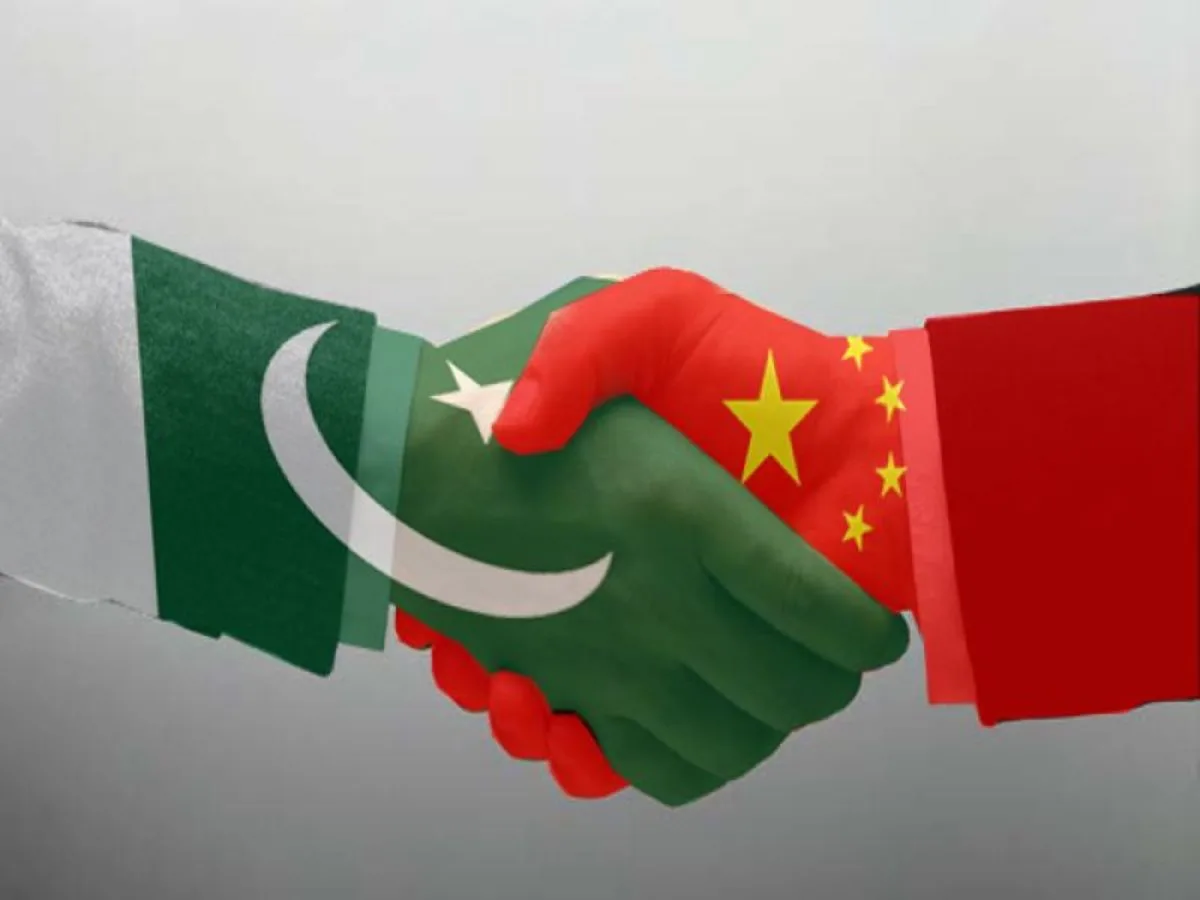
In addition to domestic efforts, Pakistan received support from several international partners, including Saudi Arabia, Turkey, United Arab Emirates, Malaysia, Qatar, Kuwait, and China. This broad backing underscores the international community’s desire to see a peaceful resolution and highlights Pakistan’s ability to bring diverse stakeholders together.
Despite these achievements, the road ahead remains uncertain. The Pakistan US Iran ceasefire mediation is only the first step toward lasting peace. Sustaining the ceasefire requires commitment from all parties, as well as continuous diplomatic engagement. The prime minister emphasized that while the immediate threat of war has been reduced, the ultimate goal is a permanent and stable peace in the region.
The broader implications of this development are significant. By successfully mediating between major global and regional powers, Pakistan has demonstrated its diplomatic capability and strategic importance. This could enhance its role in future international negotiations and strengthen its position on the global stage.
The Pakistan US Iran ceasefire mediation represents a crucial step toward de-escalation in a highly volatile region. Prime Minister Shehbaz Sharif’s call for restraint and respect for the ceasefire highlights the importance of diplomacy in resolving conflicts. While challenges remain, Pakistan’s efforts have created an opportunity for meaningful dialogue and a path toward lasting peace. The coming days will be critical in determining whether this ceasefire can evolve into a permanent solution, but for now, it stands as a testament to the power of diplomacy over conflict.