The Iran US ceasefire proposal has become a major point of tension in ongoing geopolitical developments, as Iran firmly rejected the United States’ suggested terms for a temporary halt in hostilities. The response highlights deep mistrust between the two nations and raises concerns about further escalation in the region.
According to statements reported by Press TV, Iranian officials believe that such proposals may serve as a strategic pause rather than a genuine effort toward peace. The Iran US ceasefire proposal is therefore being viewed with skepticism by Tehran.
Key Points of the Proposal
The Iran US ceasefire proposal reportedly included several major conditions. These involved Iran abandoning its nuclear activities, limiting its missile program, and reopening the Strait of Hormuz.
However, Iranian authorities rejected these terms, particularly those related to nuclear and defense policies. They argue that these demands compromise national sovereignty and security.
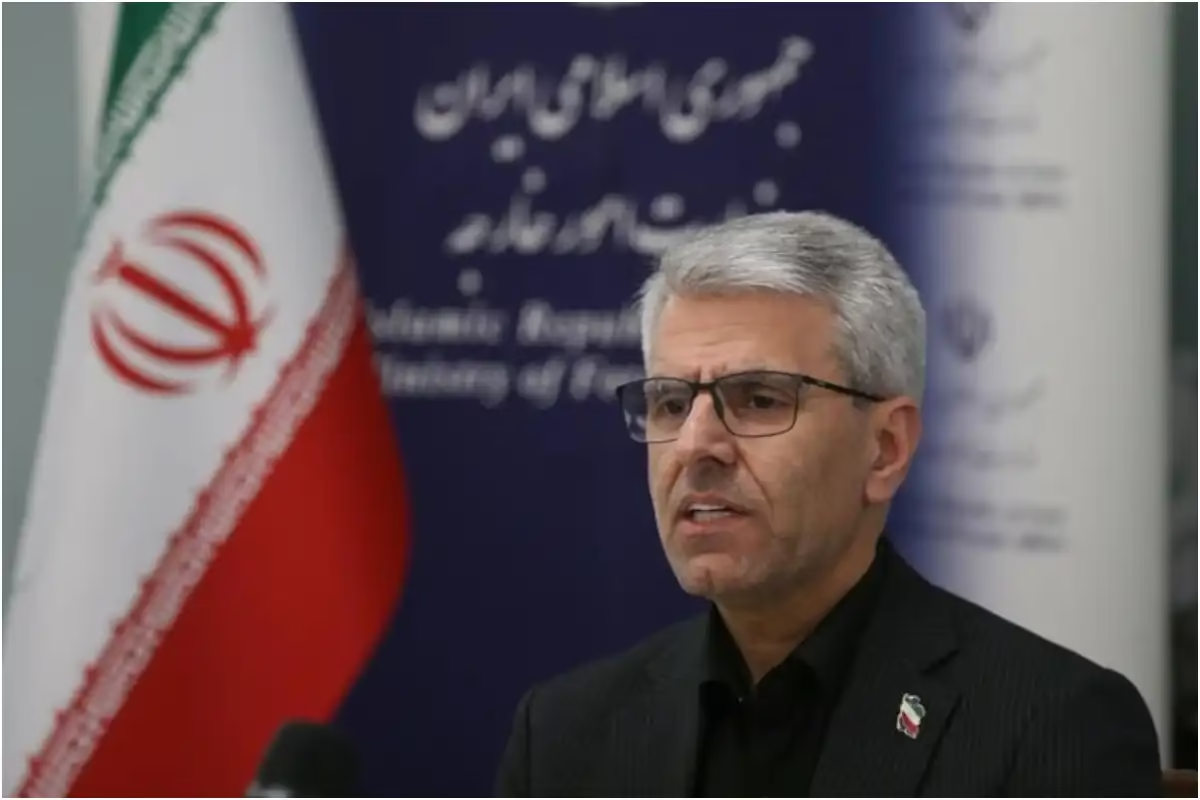
Esmaeil Baghaei described the proposal as excessive and unrealistic, emphasizing that such conditions cannot form the basis of a fair agreement.
Iran’s Strong Response
Iran’s rejection of the Iran US ceasefire proposal reflects a broader stance against what it perceives as unilateral demands. Officials have stressed that any meaningful ceasefire must involve a complete end to aggression, not just a temporary pause.
Baghaei highlighted that Iran would not accept conditions that allow adversaries to regroup and potentially launch further attacks. Instead, he called for accountability and compensation for damages caused by ongoing conflicts.
This position underscores Iran’s insistence on long-term solutions rather than short-term arrangements.
Concerns Over Trust and Diplomacy
One of the central issues surrounding the Iran US ceasefire proposal is the lack of trust between the two countries. Iranian officials have pointed to past experiences where agreements were not honored, leading to skepticism about current diplomatic efforts.
They argue that threats and pressure tactics undermine any genuine attempts at negotiation. The mention of warnings from Donald Trump regarding potential attacks on infrastructure has further complicated the situation.
From Iran’s perspective, these actions contradict claims of seeking peace and diplomacy.
Regional and Global Implications
The rejection of the Iran US ceasefire proposal has significant implications not only for the Middle East but also for global stability. Rising tensions in the region can affect international trade routes, particularly the Strait of Hormuz, which is a critical channel for global oil supply.
Any disruption in this area could lead to increased energy prices and economic uncertainty worldwide. Countries that depend on imported energy, including Pakistan, may feel the impact more strongly.
This situation highlights how regional conflicts can have far-reaching global consequences.
Iran’s Alternative Approach
While rejecting the Iran US ceasefire proposal, Iran has indicated that it is working on its own set of conditions. These demands are expected to focus on protecting national interests and ensuring long-term stability.
Officials have stated that their proposal will be shared at an appropriate time, suggesting that Iran is still open to dialogue under different terms.
This approach indicates a willingness to engage diplomatically, but only on conditions that are considered fair and balanced.
Allegations and Security Concerns
Another important aspect of the Iran US ceasefire proposal debate is the concern over potential security threats. Iranian officials have warned about the possibility of staged incidents being used to justify further aggression.
These claims add another layer of complexity to an already tense situation, increasing uncertainty and mistrust among involved parties.
Such allegations, whether proven or not, contribute to the overall atmosphere of suspicion and make diplomatic progress more challenging.
Criticism of International Organizations
Iran has also criticized the role of international bodies in the context of the Iran US ceasefire proposal. In particular, the International Atomic Energy Agency has been accused of not responding strongly to attacks on nuclear facilities.
According to Iranian officials, this silence may be seen as indirectly allowing such actions to continue. This criticism reflects broader concerns about the effectiveness and neutrality of global institutions.
The Iran US ceasefire proposal has highlighted the deep divisions and challenges in achieving peace between the two nations. Iran’s rejection of the proposal underscores its concerns about sovereignty, trust, and long-term security.
While the situation remains uncertain, it is clear that any resolution will require meaningful dialogue, mutual respect, and a willingness to address underlying issues.
As tensions continue, the Iran US ceasefire proposal serves as a reminder of the complexities involved in international diplomacy and the importance of balanced and fair negotiations for lasting peace.