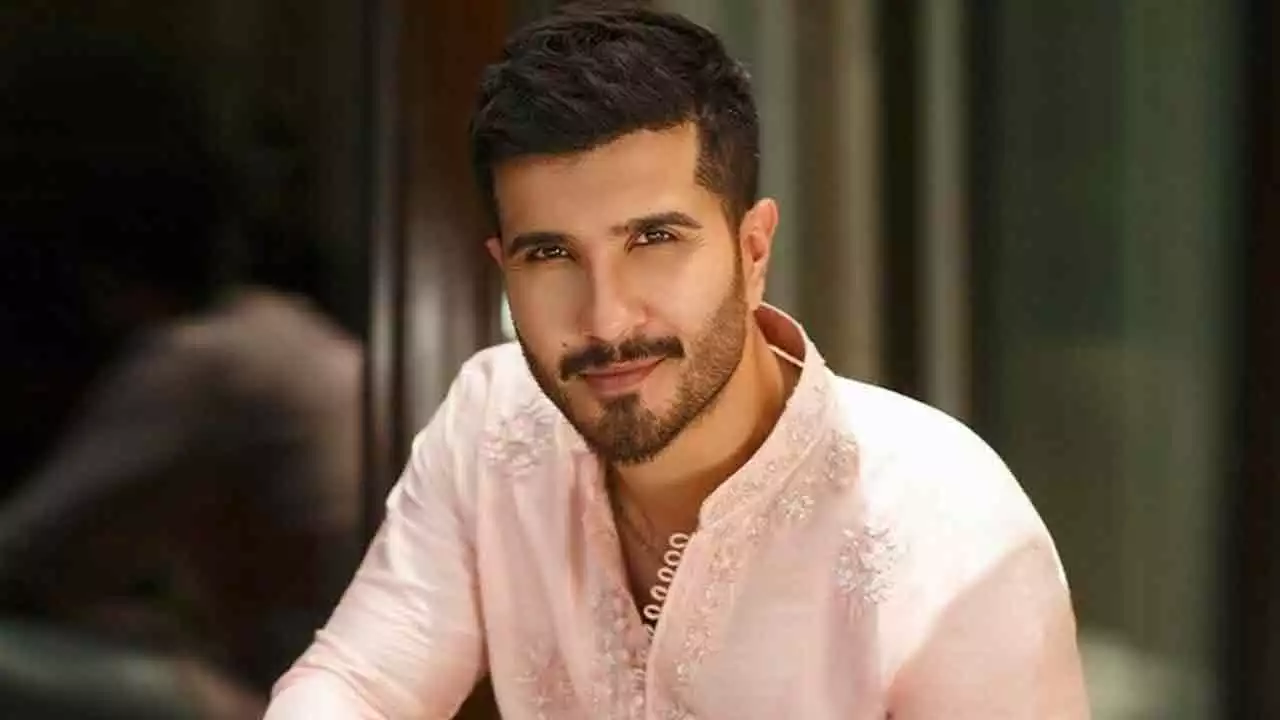
The recent Malala Gaza statement has triggered widespread discussion on social media, as global activist Malala Yousafzai responded to criticism regarding her stance on the situation in Gaza. During a conversation with Shahzad Roy, the topic was raised, leading to a deeper debate about public figures and their responsibility to speak on global issues.
The Malala Gaza statement highlights how sensitive and complex global conflicts have become, especially when viewed through the lens of public expectations and social media narratives.
The Conversation That Sparked Debate
During the discussion, Shahzad Roy questioned Malala about her perceived silence on Gaza. His question reflected a broader sentiment shared by some social media users who felt that influential voices should take clearer positions on global conflicts.
In response, the Malala Gaza statement firmly rejected the idea that she had remained silent. Malala clarified that she had spoken out against violence and injustice through her social media platforms. She also mentioned symbolic actions, such as wearing items that represent solidarity, to highlight the issue at international events.
This exchange quickly gained attention online, with users expressing mixed reactions.
Malala’s Perspective on Advocacy
The Malala Gaza statement emphasized that her advocacy has always focused on human rights, particularly the rights of children and girls. She pointed out that her efforts are not limited to a single region but extend to all areas affected by conflict and violence.
Malala highlighted that she has consistently raised her voice against atrocities, whether in Gaza or elsewhere. She also referenced incidents involving children in other conflict zones, including attacks that have targeted schools.
Her response suggests a broader approach to activism, one that prioritizes universal human rights rather than focusing on one specific issue at a time.
Social Media Reactions
The Malala Gaza statement has led to a wave of reactions across social media platforms. Some users supported her explanation, agreeing that her work has always been global in nature. Others, however, remained critical, arguing that more direct and frequent statements were needed.
This divide reflects a larger trend in how public figures are judged online. Social media often amplifies expectations, with users demanding immediate and clear responses to ongoing events.
At the same time, it also creates space for misunderstandings, where statements or actions may be overlooked or misinterpreted.
The Challenge of Public Expectations
One key takeaway from the Malala Gaza statement is the challenge faced by global figures in meeting public expectations. As a Nobel laureate and international advocate, Malala is often expected to comment on major global issues.
However, balancing multiple causes and maintaining a consistent message can be difficult. Activists like Malala often focus on long-term goals, such as education and gender equality, while also addressing immediate crises.
The criticism she faced highlights how quickly narratives can form, even when they may not fully reflect reality.
Advocacy Beyond Borders
The Malala Gaza statement also sheds light on the importance of cross-border advocacy. Malala’s work has always centered on promoting education and protecting the rights of girls worldwide.
By addressing issues in multiple regions, she aims to create a broader impact rather than focusing on one specific conflict. This approach, while effective in many ways, can sometimes lead to perceptions that certain issues are not being addressed sufficiently.
Her response reinforces the idea that human rights advocacy should be inclusive and global in scope.
Importance of Fact-Based Criticism
Another important aspect of the Malala Gaza statement is her emphasis on informed criticism. She pointed out that some people form opinions without fully understanding the facts or reviewing her past statements.
In today’s fast-paced digital environment, information spreads quickly, but it is not always accurate or complete. This can lead to unfair criticism and unnecessary controversy.
Malala’s response serves as a reminder of the need to verify information before forming judgments, especially when discussing sensitive global issues.
A Renewed Discussion
The Malala Gaza statement has once again brought attention to the role of public figures in global conversations. It has sparked a broader discussion about accountability, advocacy, and the influence of social media.
While opinions remain divided, the conversation itself highlights the importance of dialogue and awareness. It also shows how influential voices can shape public understanding of complex issues.
The Malala Gaza statement has become a focal point for debate, reflecting the challenges of navigating global advocacy in the digital age. Malala Yousafzai’s response underscores her commitment to human rights while addressing concerns about her stance on Gaza.
As discussions continue, the situation serves as a reminder of the complexities involved in public advocacy. Balancing global issues, managing public expectations, and ensuring accurate information are all critical aspects of meaningful engagement.
The Malala Gaza statement highlights the ongoing need for thoughtful dialogue and a deeper understanding of the efforts made by global advocates.