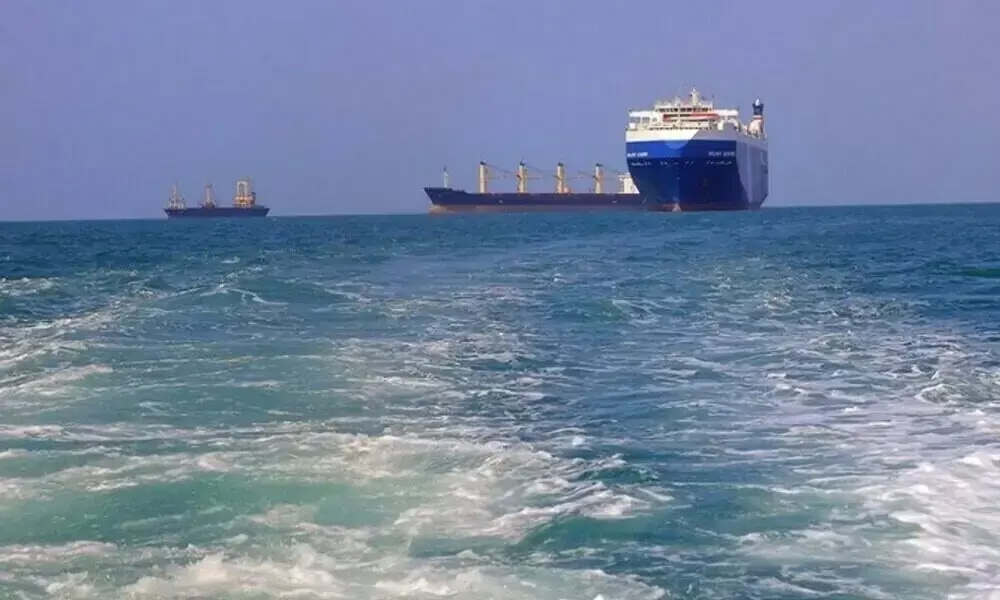
The Strait of Hormuz shipping crisis is rapidly reshaping the global maritime industry. With Iran’s closure of this strategic trade route amid the ongoing Middle East conflict, the costs of shipping oil, gas, and goods worldwide are surging. The disruption has forced ships to either stay idle in the Gulf or take long and costly alternative routes, raising expenses across fuel, insurance, and freight services.
Industry experts highlight that the reduction in available shipping capacity is already driving significant financial impacts. Rolf Habben Jansen, CEO of Hapag-Lloyd, a major container shipping line, noted that six of their vessels are currently out of operation, causing weekly cost increases of $40–50 million. A large portion of these costs stems from rising bunker fuel prices, higher insurance premiums, container storage, and inland transportation.
Tanker Charter Costs Skyrocket
One of the clearest indicators of the Strait of Hormuz shipping crisis is the steep rise in tanker charter costs. Following US and Israeli strikes on Iran at the end of February, the market for oil tankers has been heavily affected. For a Suezmax-class crude oil carrier, charter earnings a standard measure of cost have more than tripled, reaching over $330,000 per day. Similarly, liquefied natural gas (LNG) carriers traveling the US-to-Japan route have seen charter costs jump to $90,000 per day. These figures reflect the heightened risk perception in a region where around a fifth of global oil and LNG flows pass through the strait in normal conditions.
Rising Oil Shipping Costs
Shipping crude oil has also become significantly more expensive due to the crisis. Freight pricing specialists report that the cost of transporting crude from the Gulf to China nearly tripled in early March, before settling at approximately $64 per metric tonne by the end of the month. These elevated costs are driven not only by longer alternative routes but also by the reduced availability of ships willing to navigate the potentially dangerous waters of the Gulf.
Container Shipping Rates Surge
Containerized shipping is not immune to the ripple effects of the Strait of Hormuz shipping crisis. Spot prices for transporting a 40-foot container from the Far East to Europe or the US West Coast have increased by 20–25%. War-related surcharges have caused rates from the Far East to the Middle East Gulf and Red Sea to spike nearly 200% within a month. Shipping lines have suspended bookings, rerouted vessels, and redirected cargo to safer regional hubs, leading to operational bottlenecks and higher costs for shippers and end consumers.
Bunker Fuel Prices Hit New Highs
The price of bunker fuel, essential for powering ships, has nearly doubled since the conflict began. Data from market platforms indicate that prices peaked at $1,053 per metric tonne in March, up from around $540 before the war. The fuel surge directly impacts shipping costs, as vessels consume significant quantities on long-haul voyages, particularly when forced to reroute around the Gulf to avoid conflict zones.
Insurance Premiums Surge Amid War Risks
Another significant contributor to rising costs is war-risk insurance. Premiums for ships and cargo navigating the Hormuz Strait have surged, sometimes reaching between 3.5% and 10% of a vessel’s value. For cargoes and vessels worth hundreds of millions, this adds substantial financial pressure. Ship operators are now factoring these high insurance costs into freight rates, further amplifying the overall expense of maritime transport.
Global Implications
The Strait of Hormuz shipping crisis demonstrates how geopolitical tensions can immediately ripple across the global economy. Higher shipping costs affect oil and gas prices, the cost of goods, and even supply chains dependent on timely maritime transport. Importers and exporters may face delays, higher operational costs, and increased prices for consumers worldwide.
While the immediate focus is on oil and LNG flows, the broader impact on container shipping, insurance, and fuel costs illustrates the systemic risk to international trade. Stakeholders across the logistics, energy, and retail sectors must monitor developments closely and adjust strategies accordingly.
The closure of the Strait of Hormuz has transformed a regional conflict into a global shipping challenge. From skyrocketing tanker charter rates to surging container fees and insurance premiums, the Strait of Hormuz shipping crisis underscores the vulnerability of global trade to geopolitical risks. Companies, governments, and investors alike must remain vigilant as the situation continues to evolve, with far-reaching implications for supply chains and global markets.