The evolving US Iran deal strategy has taken center stage as Washington balances diplomatic efforts with intensified military operations. Recent statements from Pete Hegseth highlight a dual approach pushing for a negotiated agreement while maintaining pressure through continued strikes. This approach reflects the complexity of dealing with Iran’s shifting political and military landscape.
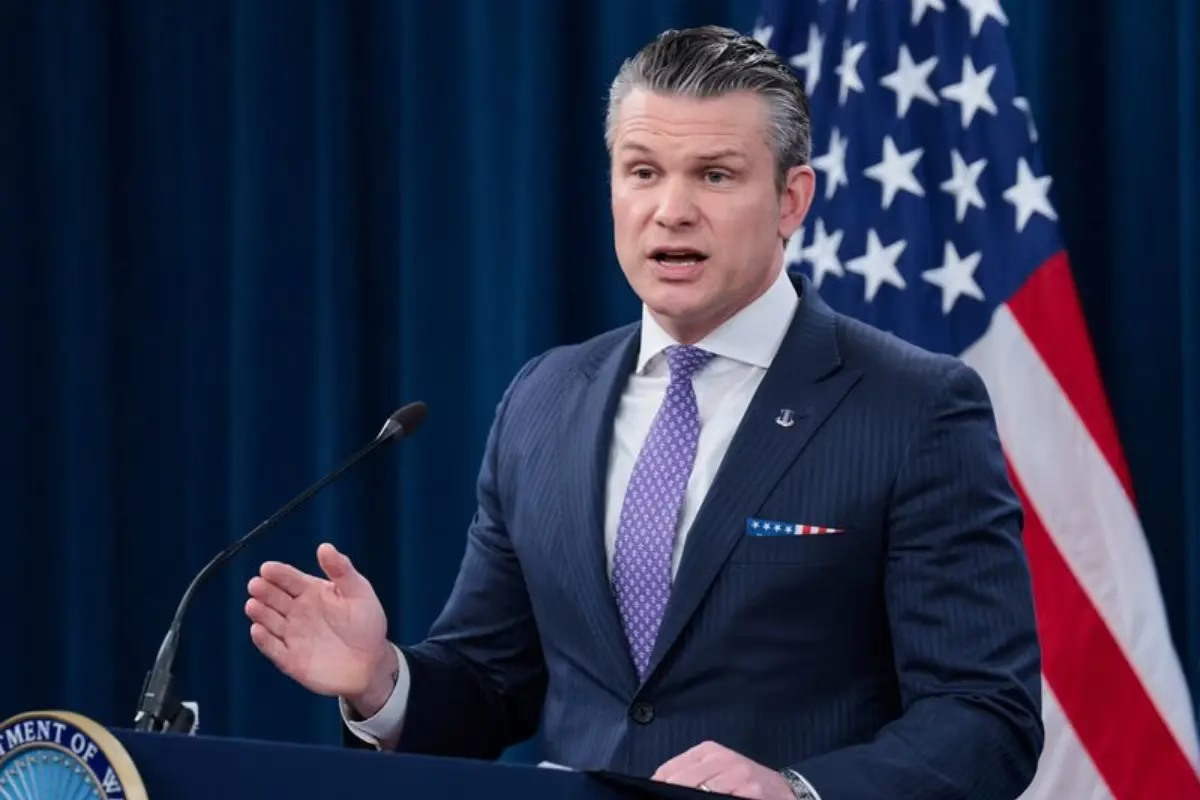
Speaking during a Pentagon briefing, Hegseth made it clear that the primary goal remains a diplomatic resolution. According to him, the US Iran deal strategy is focused on compelling Iran’s leadership to recognize the benefits of reaching an agreement. However, he also warned that if diplomacy fails, the United States is fully prepared to escalate its military campaign.
This balancing act is not new in global politics, but the current situation appears particularly delicate. Donald Trump has been sending mixed signals—expressing optimism about a potential deal while simultaneously threatening further military action. This dual messaging is a key feature of the US Iran deal strategy, aiming to keep diplomatic channels open while demonstrating strength.
Hegseth also اشاره (referred) to what he described as a “regime change” in Iran, suggesting that the country’s new leadership may be more receptive to U.S. demands. This claim adds another layer to the US Iran deal strategy, as it indicates a belief within Washington that internal changes in Iran could create an opportunity for negotiation. Whether this assumption proves accurate remains to be seen.
On the military front, the situation has intensified significantly. U.S. forces have reportedly carried out thousands of strikes targeting Iranian assets, including missile systems and drone operations. According to Hegseth, these actions are already showing results, with a noticeable decline in Iran’s offensive capabilities. This military pressure is a central pillar of the US Iran deal strategy, designed to push Tehran toward the negotiating table.
Interestingly, Hegseth shared insights from his visit to U.S. Central Command, where he interacted with service members returning from missions. He described high morale among troops and a strong desire to complete the mission. Rather than asking for improved conditions or reduced deployment, soldiers reportedly encouraged leadership to intensify efforts. This perspective reinforces the aggressive side of the US Iran deal strategy, showing readiness on the ground to continue operations if needed.
However, the reliance on military pressure raises important questions. While it may weaken Iran’s capabilities in the short term, it also risks escalating the conflict further. Critics argue that excessive force could close the door on diplomacy, making a peaceful resolution more difficult. Supporters, on the other hand, believe that strength is necessary to bring Iran to serious negotiations. This ongoing debate shapes how the US Iran deal strategy is perceived globally.
Another key factor is the role of leadership in determining the next steps. Hegseth emphasized that the final decision on whether to pursue a deal or continue military operations ultimately lies with President Trump. This highlights the centralized nature of decision-making within the US Iran deal strategy, where political judgment plays a crucial role alongside military and diplomatic considerations.
From a broader perspective, the situation reflects the challenges of modern geopolitics. Nations are increasingly required to balance diplomacy with force, especially in conflicts involving regional instability and shifting alliances. The US Iran deal strategy is a clear example of this balancing act, حيث (where) both negotiation and confrontation are used simultaneously to achieve strategic goals.
The international community is closely watching these developments. Allies and adversaries alike are trying to assess the potential outcomes of this approach. A successful deal could ease tensions and stabilize the region, while continued escalation could have far-reaching consequences. This uncertainty makes the US Iran deal strategy one of the most critical foreign policy issues at the moment.
The current US Iran deal strategy reflects a complex and high-stakes effort to manage one of the world’s most sensitive conflicts. By combining diplomatic outreach with military pressure, the United States aims to secure a favorable outcome. However, the path forward remains uncertain, with risks and opportunities on both sides. As events continue to unfold, the effectiveness of this strategy will depend on careful decision-making and the willingness of both parties to find common ground.