The upcoming Pak-Afghan peace jirga scheduled in Peshawar on March 31 is being seen as a crucial step toward reducing tensions between Pakistan and Afghanistan. The initiative aims to create a joint framework that promotes peace, stability, and dialogue between the two neighboring countries. At a time when relations remain strained, this jirga is being viewed as a timely effort to bring key stakeholders together.
The announcement of the Pak-Afghan peace jirga was made by former Khyber Pakhtunkhwa chief secretary Arbab Shezad Khan during a press conference. He was joined by Qaumi Islahi Tehreek leader Haji Sohrab Ali Khan, reflecting a collaborative approach to organizing the event. According to the organizers, the jirga will include a diverse group of participants, including political leaders, tribal elders, religious scholars, members of civil society, business representatives, and media professionals.
One of the primary objectives of the Pak-Afghan peace jirga is to encourage trust-building and meaningful dialogue between the two countries. Organizers have emphasized that the discussions will focus on mutual respect and long-term solutions rather than short-term fixes. At the end of the jirga, a joint declaration is expected to be issued, which will be presented to the governments of both Pakistan and Afghanistan.
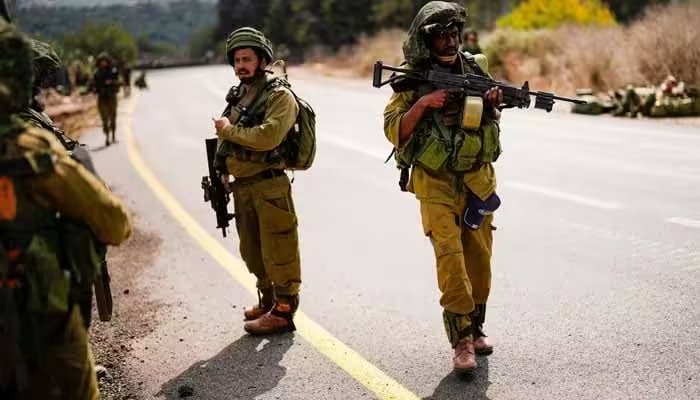
The timing of the Pak-Afghan peace jirga is particularly significant given the current security situation. Pakistan has recently been conducting operations against militant groups, citing concerns about cross-border terrorism. These developments have added to the already tense relationship between the two countries, making dialogue initiatives like this jirga even more important.
Arbab Shezad Khan highlighted that the Pak-Afghan peace jirga is not just a one-time event but part of a broader effort to promote regional stability. He mentioned that similar gatherings are planned in other cities, including Quetta, to ensure that all stakeholders have a platform to contribute to the peace process. This multi-step approach indicates a long-term commitment to resolving differences through dialogue.
Another key goal of the Pak-Afghan peace jirga is to push for an immediate ceasefire and a reduction in hostilities. Participants are expected to call on both governments to address their concerns through diplomatic channels rather than military actions. By encouraging peaceful negotiations, the jirga aims to create an environment where both sides can work toward sustainable solutions.
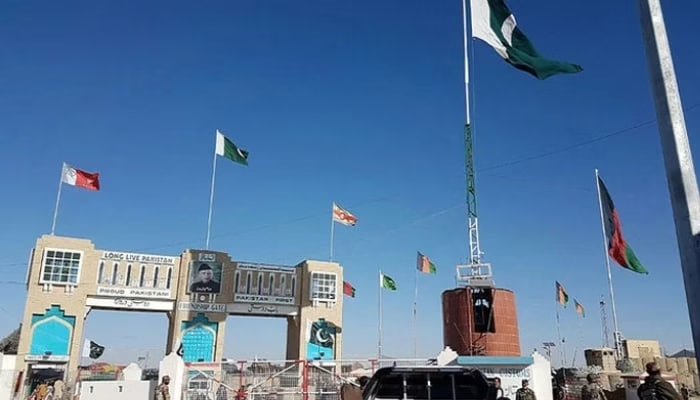
The current tensions between Pakistan and Afghanistan have been fueled by a series of incidents along the border. Reports of cross-border attacks and security concerns have contributed to a breakdown in trust. Despite previous agreements and ceasefire efforts, lasting peace has remained elusive. In this context, the Pak-Afghan peace jirga offers a renewed opportunity to reset relations and find common ground.
Experts believe that involving community leaders and civil society members in the Pak-Afghan peace jirga could play a crucial role in its success. Unlike formal diplomatic talks, jirgas have a long tradition in the region as platforms for conflict resolution. They allow for open discussions and encourage participation from a wide range of voices, making them effective in addressing complex issues.
The success of the Pak-Afghan peace jirga will depend on the willingness of both sides to engage constructively. While the challenges are significant, the initiative reflects a shared recognition that dialogue is essential for peace. Building trust will take time, but consistent efforts like this jirga can help lay the foundation for better relations.
The Pak-Afghan peace jirga in Peshawar represents an important step toward easing tensions and promoting stability in the region. By bringing together diverse stakeholders and focusing on dialogue, the jirga aims to create a roadmap for lasting peace. As both countries navigate complex challenges, initiatives like this highlight the importance of cooperation and mutual understanding in achieving long-term security and prosperity.