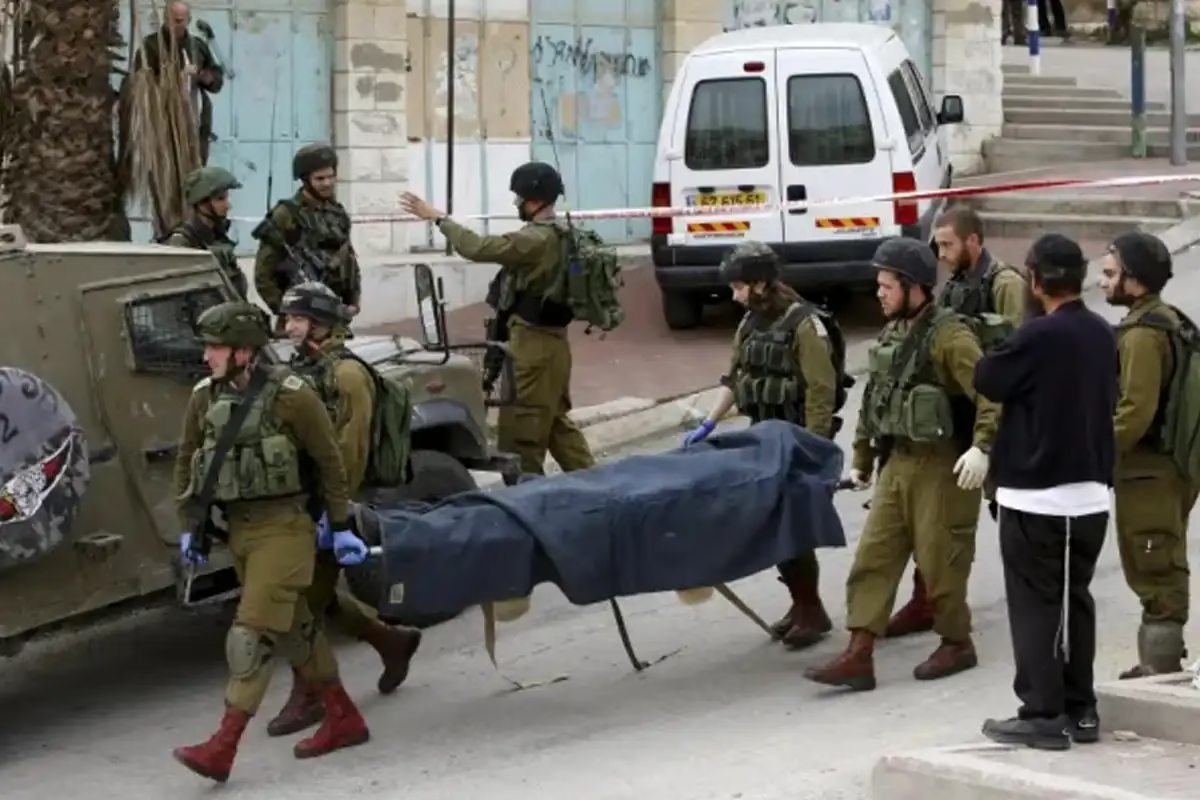
The ongoing Israeli soldier mental health crisis has come into sharp focus following a tragic incident in Bat Yam, part of the greater Tel Aviv metropolitan area. A soldier was found dead inside a public shelter in what appears to be a suicide, raising serious concerns about the psychological toll of prolonged conflict on military personnel.
This heartbreaking event has drawn attention to the emotional and mental strain faced by soldiers involved in the ongoing military operations in Gaza. Reports indicate that the soldier was discovered by civilians seeking refuge during a rocket alert, with visible signs of a self-inflicted gunshot wound. While investigations continue, the tragedy has intensified discussions around the Israeli soldier mental health crisis and the urgent need for support systems.
War zones are not only physically dangerous but also emotionally exhausting. Soldiers often operate under constant stress, facing life-threatening situations, uncertainty, and the burden of responsibility. Over time, these conditions can lead to severe mental health challenges such as anxiety, depression, and post-traumatic stress disorder (PTSD). The Israeli soldier mental health crisis reflects these realities, showing how prolonged exposure to conflict can deeply affect individuals on the front lines.
In recent months, the situation in Gaza has been marked by intense military activity and rising casualties. The scale of destruction and humanitarian challenges has added another layer of psychological pressure on those involved in the conflict. For many soldiers, witnessing such conditions can be overwhelming, contributing to emotional fatigue and mental distress. The Israeli soldier mental health crisis is therefore closely linked to the broader context of ongoing hostilities.
Experts emphasize that mental health support is just as important as physical protection for soldiers. Access to counseling, regular psychological assessments, and a supportive environment can make a significant difference in preventing such tragedies. However, in high-intensity conflict zones, these resources are often limited or underutilized. The Israeli soldier mental health crisis highlights the importance of prioritizing mental well-being alongside operational readiness.
Another factor contributing to the issue is the stigma surrounding mental health in military culture. Many soldiers may hesitate to seek help due to fear of judgment or concerns about their careers. This reluctance can lead to untreated mental health conditions, increasing the risk of severe outcomes. Addressing the Israeli soldier mental health crisis requires breaking this stigma and encouraging open conversations about mental health.
The role of leadership is also critical in tackling this challenge. Military leaders must create an environment where soldiers feel safe to express their struggles and seek assistance. Training programs that focus on resilience and stress management can help individuals cope better with the demands of their roles. The Israeli soldier mental health crisis underscores the need for proactive measures rather than reactive responses.
Beyond the military, society as a whole has a role to play in supporting those who serve. Public awareness, community support, and recognition of the psychological impact of conflict can contribute to a more compassionate approach. The Israeli soldier mental health crisis is not just a military issue but a societal one, requiring collective effort to address.
It is also important to consider the long-term implications of such incidents. The effects of war do not end when the fighting stops; they often continue to affect individuals for years. Providing ongoing support and rehabilitation for soldiers can help them reintegrate into civilian life and reduce the risk of future mental health challenges. The Israeli soldier mental health crisis serves as a reminder of the lasting impact of conflict on human lives.
The tragic incident in Bat Yam has brought renewed attention to the Israeli soldier mental health crisis. It highlights the urgent need for comprehensive mental health support, reduced stigma, and a more compassionate approach to those affected by war. As conflicts continue around the world, addressing the psychological well-being of soldiers must remain a priority. Only by recognizing and responding to these challenges can we hope to prevent further tragedies and support those who serve in difficult and demanding conditions.