The rising energy prices impact is becoming a major concern for economies around the world as geopolitical tensions continue to disrupt supply chains. Recent developments linked to the Iran conflict have pushed oil and gas prices sharply higher, raising alarms among global financial institutions and policymakers. As energy costs surge, the effects are being felt not just in fuel markets but across inflation, economic growth, and financial stability.
According to recent updates, global oil prices have climbed significantly, crossing the $100 per barrel mark after increasing by more than 50%. This sharp rise reflects disruptions in seaborne oil and natural gas shipments, which are critical for maintaining steady global supply. The rising energy prices impact is already visible in international markets, where uncertainty and volatility are increasing.
One of the key concerns highlighted by economists is inflation. When energy prices increase, the cost of transportation, manufacturing, and daily goods also rises. This creates a chain reaction that pushes overall prices higher. Experts suggest that if energy prices remain elevated for a prolonged period, inflation could increase substantially. The rising energy prices impact on inflation is particularly worrying for developing countries, where consumers are more sensitive to price changes.
Another important aspect is economic growth. Higher energy costs can slow down production and reduce business profitability. Companies facing increased expenses may cut back on investment or hiring, leading to slower economic expansion. The rising energy prices impact on growth is expected to vary across regions, but countries heavily dependent on energy imports are likely to face the biggest challenges.
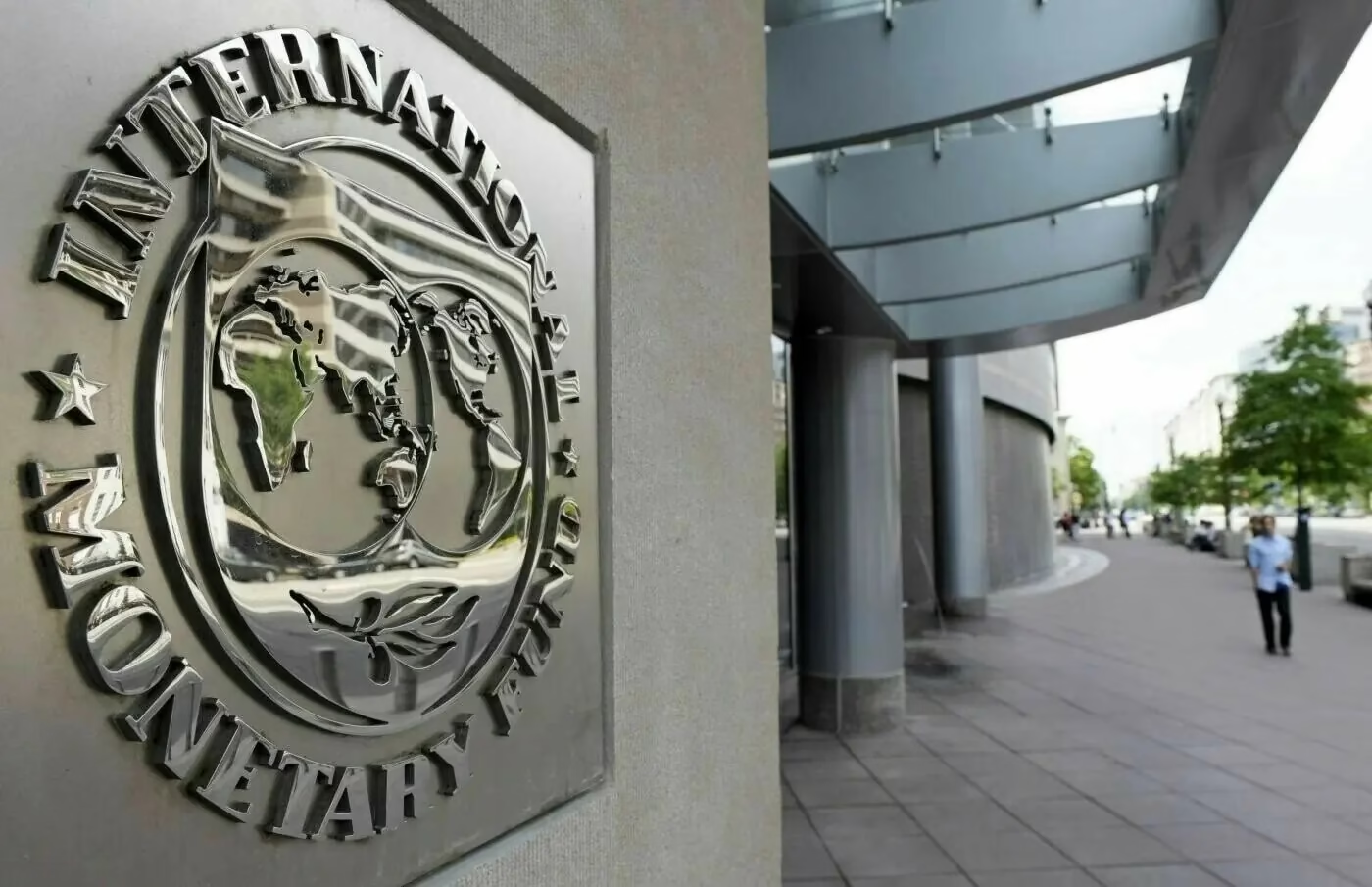
Financial institutions like the International Monetary Fund are closely monitoring the situation. While no emergency funding requests have been made so far, the IMF has indicated its readiness to support member countries if needed. Officials are actively engaging with finance ministers and central banks to assess risks and prepare for possible economic shocks. This proactive approach highlights the seriousness of the rising energy prices impact on the global economy.
The duration and intensity of the ongoing conflict will play a critical role in determining future outcomes. If disruptions to energy supply continue, prices could remain high for an extended period. This would deepen the rising energy prices impact, making it harder for economies to recover and stabilize. On the other hand, if the situation improves and supply chains are restored, markets may gradually return to normal.
Central banks are also facing a difficult challenge. They must balance controlling inflation with supporting economic growth. Raising interest rates can help reduce inflation, but it may also slow down economic activity. Policymakers are therefore keeping a close watch on inflation trends to ensure that price increases do not spread beyond the energy sector. Managing the rising energy prices impact requires careful and well-timed decisions.
The effects are also being felt in specific regions, particularly in energy-producing areas like the Gulf Cooperation Council (GCC) countries. While these nations benefit from higher oil prices in the short term, disruptions to exports can limit their gains. If production or shipping is affected, even major exporters may experience slower growth. This adds another layer of complexity to the rising energy prices impact globally.
Additionally, global trade is at risk. Energy is a fundamental component of transportation and logistics. Higher fuel costs increase shipping expenses, which can disrupt supply chains and lead to higher prices for goods worldwide. Businesses may pass these costs on to consumers, further increasing inflationary pressure. The rising energy prices impact on trade highlights how interconnected the global economy has become.
The current surge in energy costs is more than just a temporary market fluctuation. The rising energy prices impact is influencing inflation, economic growth, trade, and financial stability across the globe. While the future remains uncertain, one thing is clear: managing energy supply disruptions and maintaining economic balance will be crucial in the months ahead. Governments, financial institutions, and businesses must work together to navigate these challenges and reduce the long-term effects of rising energy prices.