The Iran energy conflict is rapidly becoming one of the most serious geopolitical developments in the Middle East. Recent incidents targeting critical energy infrastructure have not only increased tensions but also raised concerns about a broader regional escalation. As countries react diplomatically and militarily, the situation continues to evolve with significant global implications.
The latest developments began when key Iranian energy facilities, including those in the South Pars gas field and Asaluyeh region, were targeted. These locations are vital to Iran’s economy and energy exports. In response, Iran launched retaliatory actions against what it described as U.S.-linked energy sites in Gulf countries. Among the reported targets was Ras Laffan Industrial City in Qatar, known as one of the largest liquefied natural gas hubs in the world. This escalation has placed the Iran energy conflict at the center of international attention.
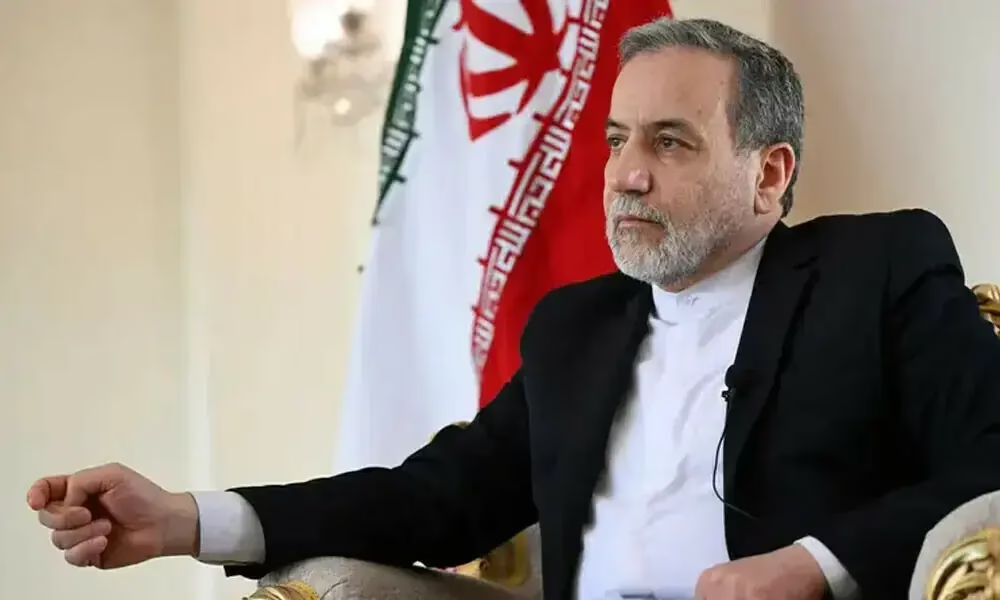
Iran’s foreign minister has actively engaged in diplomatic outreach, holding discussions with counterparts in Pakistan, Turkiye, and Egypt. During these conversations, the emphasis was on regional vigilance and coordination. Iran has framed the attacks on its infrastructure as deliberate attempts to destabilize the region. By urging cooperation among neighboring countries, Tehran appears to be seeking both political support and strategic alignment in response to perceived external threats tied to the ongoing Iran energy conflict.
At the same time, military rhetoric has intensified. Iranian officials have described the recent strikes as marking a “new stage” in the conflict. According to statements from the armed forces, any further attacks on Iran’s energy facilities will be met with stronger and more aggressive retaliation. This warning highlights the seriousness of the situation and underscores how the Iran energy conflict could escalate further if tensions are not managed carefully.
The involvement of energy infrastructure makes this conflict particularly sensitive. Energy facilities are not just economic assets; they are also critical to global supply chains. Disruptions in major production and export hubs can have ripple effects across international markets, influencing oil and gas prices worldwide. The targeting of such infrastructure in the Iran energy conflict raises concerns not only for regional stability but also for global energy security.
Another important aspect is the potential for wider regional involvement. Gulf countries, already key players in global energy production, may find themselves increasingly drawn into the situation. If retaliatory actions continue, the risk of a broader confrontation grows. This could lead to disruptions in shipping routes, particularly in strategic areas like the Strait of Hormuz, which is essential for global oil transportation. Such developments would further intensify the impact of the Iran energy conflict on international trade and economic stability.
Diplomacy remains a crucial factor in preventing further escalation. Iran’s outreach to regional countries suggests an attempt to build a collective response framework. However, differing political interests among Middle Eastern nations may complicate efforts toward unified action. The success of diplomatic initiatives will largely determine whether the Iran energy conflict can be contained or whether it will expand into a larger crisis.
The role of global powers is also significant. Reports of the United States considering military reinforcements indicate that the situation is being closely monitored at the highest levels. Any direct involvement by major powers could dramatically alter the dynamics of the Iran energy conflict, potentially transforming it into a broader international issue rather than a regional one.
The current situation reflects a complex mix of military actions, diplomatic efforts, and economic concerns. The Iran energy conflict is not just about isolated attacks on infrastructure; it represents a deeper struggle involving regional influence, security, and global energy stability. As tensions continue to rise, the need for careful diplomacy and strategic restraint becomes more important than ever. The coming weeks will be critical in determining whether this conflict can be de-escalated or if it will move toward a more dangerous and widespread confrontation.