The Islamabad Safe City security system recently came under discussion during a meeting of a Senate committee, where lawmakers expressed concerns about the safety of surveillance infrastructure in the capital. Members of the Senate Standing Committee on Information Technology warned that any breach in the system could potentially compromise sensitive information, including the movement of VVIP officials in Islamabad. Despite these concerns, officials responsible for the project assured lawmakers that multiple cybersecurity measures are in place to protect the surveillance network.
Senate Committee Raises Security Questions
The issue of Islamabad Safe City security was raised during a committee meeting held at the Parliament House and chaired by Senator Palwasha Khan. The discussion gained urgency after reports that traffic surveillance cameras in Tehran had recently been hacked.
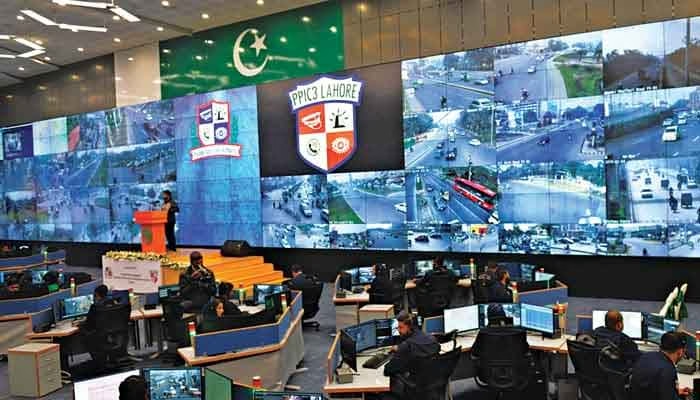
Lawmakers questioned whether a similar situation could occur in Pakistan and whether the Safe City surveillance system was adequately protected against cyber threats. The system includes hundreds of cameras installed across Islamabad to monitor traffic, ensure public safety, and assist law enforcement agencies.
Committee members emphasized that if the surveillance network were compromised, it could create serious security risks, particularly for government officials and high-profile individuals whose movements rely on secure monitoring systems.
Concerns About Foreign Software Links
During the meeting, some senators expressed concerns regarding the origin of software used in the Safe City system. According to them, reliance on foreign-developed technology might expose the system to potential vulnerabilities.
Senator Afnan Ullah Khan noted that many widely used global software systems have roots in various international technology firms, which could pose risks if not carefully evaluated. He suggested that critical security operations, especially those related to VVIP movements, might require stronger hardware-based systems rather than relying solely on software-based monitoring.
Similarly, Senator Talha Mahmood shared concerns from past inquiries conducted during his tenure as chairman of the Senate Standing Committee on Interior. According to him, investigations at the time suggested that some companies associated with surveillance technology had complex international connections.
These concerns led committee members to demand further transparency regarding the technology used in the project.
Officials Defend Safe City Security Measures
Despite the concerns raised by lawmakers, officials responsible for the project insisted that the Islamabad Safe City security system remains fully protected. The Director General of the Safe City project told the committee that several layers of cybersecurity safeguards have been installed to prevent hacking attempts.
These protections include advanced firewalls, restricted network access, and specialized protocols designed specifically for sensitive movements such as those involving high-level officials. Officials also stated that data servers connected to the surveillance cameras are carefully protected and regularly monitored.
In addition, they explained that the system undergoes routine technical audits to ensure that its security standards remain strong. According to project representatives, these measures are designed to detect potential threats early and prevent unauthorized access.
Technology Used in the Surveillance System
During the meeting, officials revealed that the surveillance system currently uses the BriefCam video analytics platform, which was introduced into the project in 2021. They clarified that the software is now owned by a Japanese company, addressing concerns raised by some senators about its origins.
The Director General of National Computer Emergency Response Team also briefed the committee about cybersecurity monitoring in the country. He explained that most digital technologies used in Pakistan are imported from international vendors, making ongoing risk monitoring essential.
He also disclosed that authorities had blacklisted 15 software companies in the past due to cybersecurity concerns, demonstrating the government’s efforts to prevent potential vulnerabilities in critical systems.
Request for Detailed Technical Briefing
To address the concerns raised during the meeting, the Senate committee directed officials to provide a complete list of software used within the Safe City project. Members also asked the technical team to present a detailed briefing in the next committee session.
This step aims to ensure transparency and provide lawmakers with a clearer understanding of how the Islamabad Safe City security system operates and how potential threats are managed.
Debate Over Motorcycle M-Tag System
Apart from surveillance security, the committee also discussed the district administration’s plan to install electronic M-Tags on motorcycles in Islamabad. The system is intended to help authorities monitor vehicles and improve law enforcement capabilities.
However, some lawmakers questioned its effectiveness. Senator Kamran Murtaza raised concerns about possible loopholes, asking what would happen if criminals purchased motorcycles already equipped with electronic tags.
Senator Talha Mahmood also warned that stolen tags might allow individuals to bypass security checks. In response, the Islamabad deputy commissioner explained that similar identification systems are used in many countries to regulate vehicles and improve public safety.
Concerns Over Data Security
Another topic discussed during the meeting was the protection of sensitive data in government institutions. Senator Afnan Ullah claimed that data belonging to National Database and Registration Authority had appeared on the dark web.
However, officials from the authority clarified that the main database had only been hacked once in the past and that the system remains secure. They added that data leaks sometimes occur when individuals share personal information with other organizations.
Future of Digital Infrastructure
The meeting also included updates from the chairman of the Pakistan Telecommunication Authority, who informed lawmakers that preparations for 5G technology testing are underway in the country.
Telecommunication companies are expected to begin testing after importing the necessary equipment, marking another step in Pakistan’s digital development.
The discussion surrounding Islamabad Safe City security highlights the growing importance of cybersecurity in modern urban infrastructure. While lawmakers raised valid concerns about potential risks, officials assured the Senate committee that strong safeguards are already in place.
As Pakistan continues to expand its digital systems and surveillance technologies, maintaining robust cybersecurity practices will remain essential to protect both public safety and sensitive government operations.